Notarized letters are essential in verifying the authenticity of documents and the identity of the signers. By deterring fraud and forgery, notarized letters provide a sense of legal credibility, assuring recipients and involved institutions that the signature on the document is genuine and made willingly by the person it claims to be.
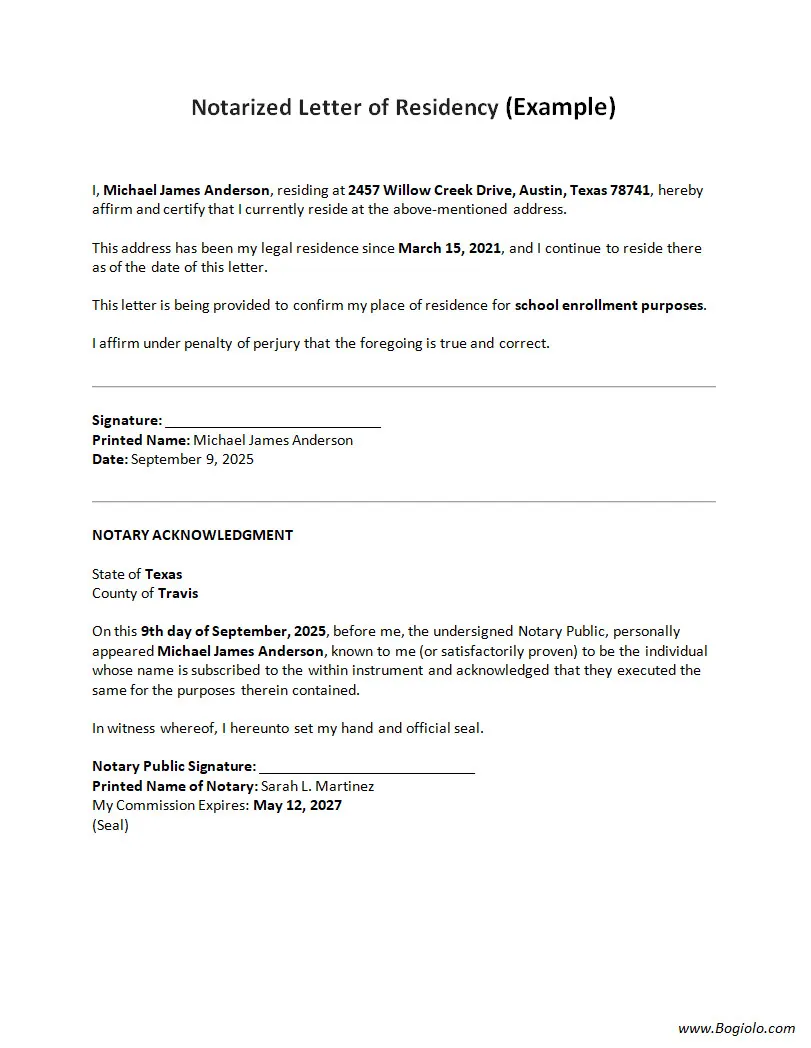
This official verification tool offers a trusted seal of approval, establishing the legitimacy of the signing process.
What Is a Notarized Letter?
A notarized letter is a document that has been certified by a notary public, a public officer authorized to witness the signing of documents and administer oaths. The notary public verifies the identity of the signer and ensures that they are signing the document willingly.
Once the notary public confirms these details, they affix their official seal or stamp to the document, indicating that it has been properly executed.
Benefits of Having Your Documents Notarized
There are several benefits to having your documents notarized. Firstly, notarized documents carry a higher level of legal credibility, making them more likely to be accepted by courts, government agencies, and other institutions. This can be particularly important when dealing with sensitive or high-stakes documents.
Protection Against Fraud and Forgery
Notarized documents provide an extra layer of protection against fraud and forgery. By verifying the identity of the signer and ensuring that the signing process was legitimate, notarized letters help prevent unauthorized individuals from falsely representing themselves. This protection is essential in safeguarding the integrity of important documents.
Enhanced Document Legitimacy
Notarized letters enhance the legitimacy of documents by providing a trusted verification tool. The presence of a notary public’s seal or stamp on a document indicates that the document has been properly executed and that the signer’s identity has been verified. This added layer of credibility can be invaluable in situations where the validity of a document may be called into question.
Common Uses of a Notarized Letter
Notarized letters are commonly used in a variety of situations to provide legal credibility and verification. Some common uses of notarized letters include:
- Legal Agreements. Notarized letters are often used to authenticate legal agreements, such as contracts or affidavits, to ensure that all parties involved are aware of and agree to the terms.
- Real Estate Transactions. When purchasing or selling property, notarized letters may be required to verify the identity of the parties involved and confirm the validity of the transaction.
- Permission Letters. Parents may use notarized letters to grant permission for their children to travel or participate in certain activities when they are unable to accompany them.
- Debt Settlements. Notarized letters can help formalize agreements between creditors and debtors, providing a legally binding record of the terms agreed upon.
Who Can Notarize a Letter?
Notarization can only be performed by a notary public, a licensed official who has been trained to verify the identity of signers and witness the signing of documents. Notary publics act as impartial witnesses who ensure that all parties understand and agree to the contents of the document before it is notarized. It is essential to seek out a qualified notary public to ensure the validity of the notarized letter.
How to Get a Notarized Letter
To obtain a notarized letter, several steps must be followed to ensure its validity:
- Prepare the Document. Ensure that the document is complete and accurate before presenting it to the notary public for notarization.
- Find a Notary Public. Locate a qualified notary public in your area who can witness the signing of your document and administer the notarization process.
- Bring Identification. You will need to present a valid form of identification to the notary public to verify your identity before the document can be notarized.
- Sign in the Presence of the Notary. Sign the document in the presence of the notary public to ensure that the notarization process is completed correctly and legally.
Key Factors to Consider When Notarizing a Letter
When notarizing a letter, there are several key factors to keep in mind to ensure the validity and legality of the notarized document:
- Accuracy. Ensure that all information on the document is accurate and complete before presenting it to the notary public for notarization.
- Legality. Make sure that the document complies with all legal requirements and is eligible for notarization to avoid any potential issues with its validity.
- Identification. Bring a valid form of identification to verify your identity to the notary public before the document can be notarized.
- Presence. You must sign the document in the presence of the notary public for it to be validly notarized and legally binding.
Notarized Letter Template – DOWNLOAD
