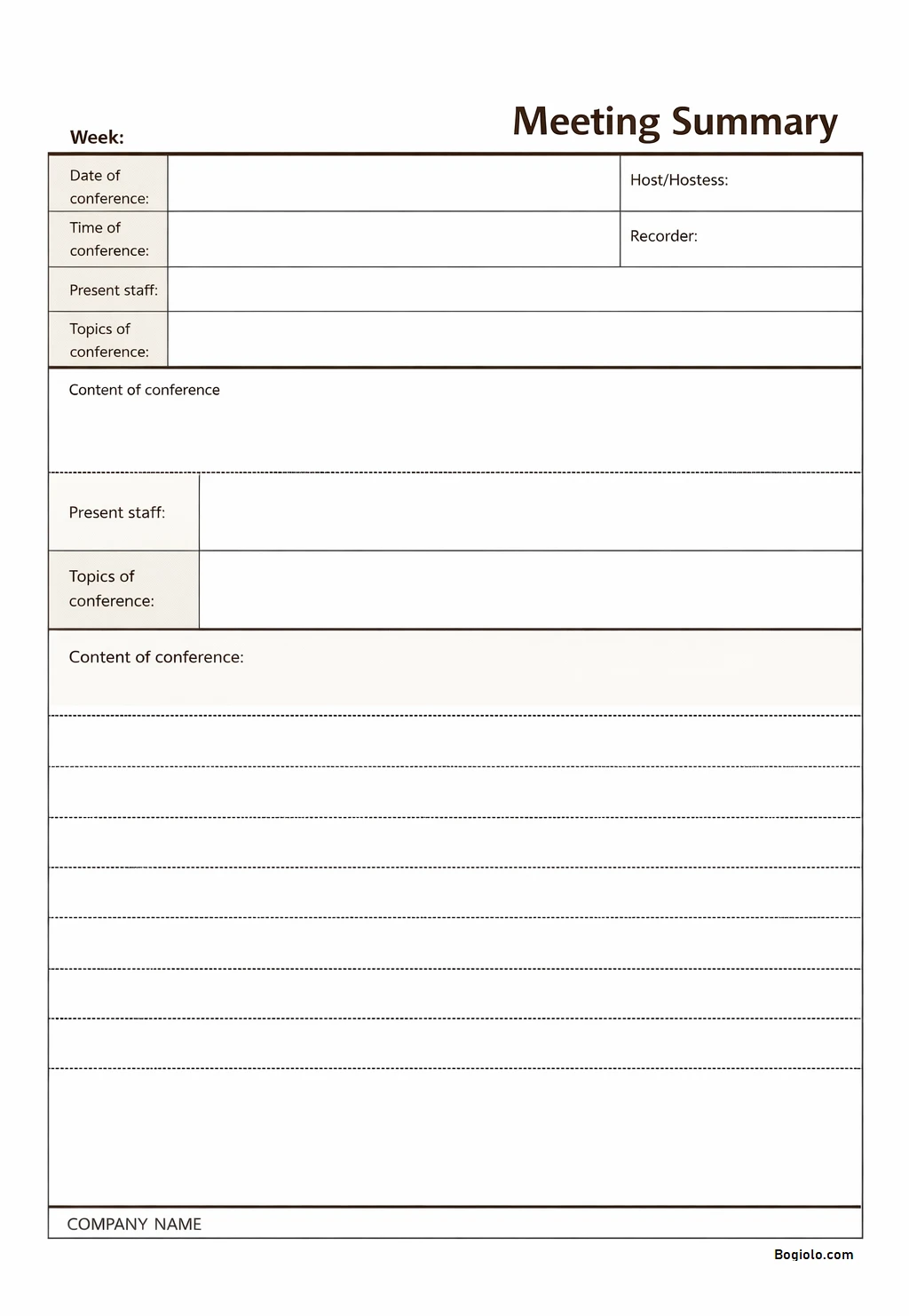
Have you ever attended a meeting where important decisions were made, only to walk away feeling unsure of what was actually agreed upon? This is where meeting summaries come into play.
In this guide, we will delve into the importance of meeting summaries, the difference between meeting minutes and a meeting summary, when to use a meeting summary, what should be included in a meeting summary, and how to write a meeting summary effectively.
What is a Meeting Summary?
A meeting summary is a document that captures the key outcomes of a meeting concisely and clearly. It serves as a reference point for all participants to ensure they are on the same page regarding discussions, decisions, action items, and next steps.
A well-written meeting summary can help streamline communication, hold individuals accountable for their tasks, and provide a roadmap for future meetings or projects.
The Difference Between Meeting Minutes And a Meeting Summary
While meeting minutes and meeting summaries may seem similar, they serve different purposes. Meeting minutes are a detailed record of everything that was said and done during a meeting, while a meeting summary is a condensed version that focuses on key takeaways, decisions, and action items.
Meeting minutes are typically more comprehensive and formal, while meeting summaries are meant to be more concise and to the point.
When to Use a Meeting Summary?
Meeting summaries are useful in various scenarios, such as:
- Long Meetings: When the meeting is long or covers multiple topics, a meeting summary can help participants grasp the main points without having to sift through pages of meeting minutes.
- Remote Meetings: For virtual or remote meetings where participants may have connectivity issues or distractions, a meeting summary can serve as a quick reference.
- Project Meetings: In project meetings where tasks and deadlines need to be clearly communicated, a meeting summary can help ensure that everyone is aligned on the next steps.
- Client Meetings: After client meetings, a meeting summary can be shared with clients to confirm decisions made and action items assigned.
What Should a Meeting Summary Include?
A comprehensive meeting summary should include the following elements:
- Meeting Details: Date, time, location, and attendees.
- Agenda Items: A list of topics discussed during the meeting.
- Key Discussions: Summaries of important discussions and decisions made.
- Action Items: Clear action items assigned to individuals, including deadlines.
- Next Steps: A summary of what needs to happen next and by whom.
- Follow-Up: Any follow-up actions or communication that needs to take place.
How to Write a Meeting Summary (Step-by-Step Guide)
Writing an effective meeting summary involves the following steps:
1. Review Meeting Notes:
Before you start writing the summary, review your meeting notes to ensure you capture all key points accurately.
2. Identify Key Takeaways:
Determine the most important discussions, decisions, and action items that need to be included in the summary.
3. Structure the Summary:
Organize the summary into sections such as meeting details, agenda items, key discussions, action items, next steps, and follow-up.
4. Use Clear Language:
Write in clear and concise language, avoiding jargon or technical terms that may be misunderstood by participants.
5. Be Objective:
Present the information objectively without inserting personal opinions or biases.
6. Include Deadlines:
Clearly state deadlines for action items to ensure accountability and follow-through.
7. Distribute the Summary:
Share the meeting summary with all participants and stakeholders in a timely manner to keep everyone informed and aligned.
In Conclusion
Meeting summaries play a crucial role in ensuring effective communication, accountability, and transparency within organizations. By documenting and distributing the key outcomes of a meeting, meeting summaries help participants stay informed, track progress, and prevent misunderstandings.
Whether it’s a project meeting, client meeting, or virtual meeting, a well-written meeting summary can serve as a valuable reference point for all stakeholders involved. By following the steps outlined in this guide, you can craft an informative and concise meeting summary that keeps everyone on the same page and facilitates productive discussions and decision-making.
Meeting Summary Template – DOWNLOAD
