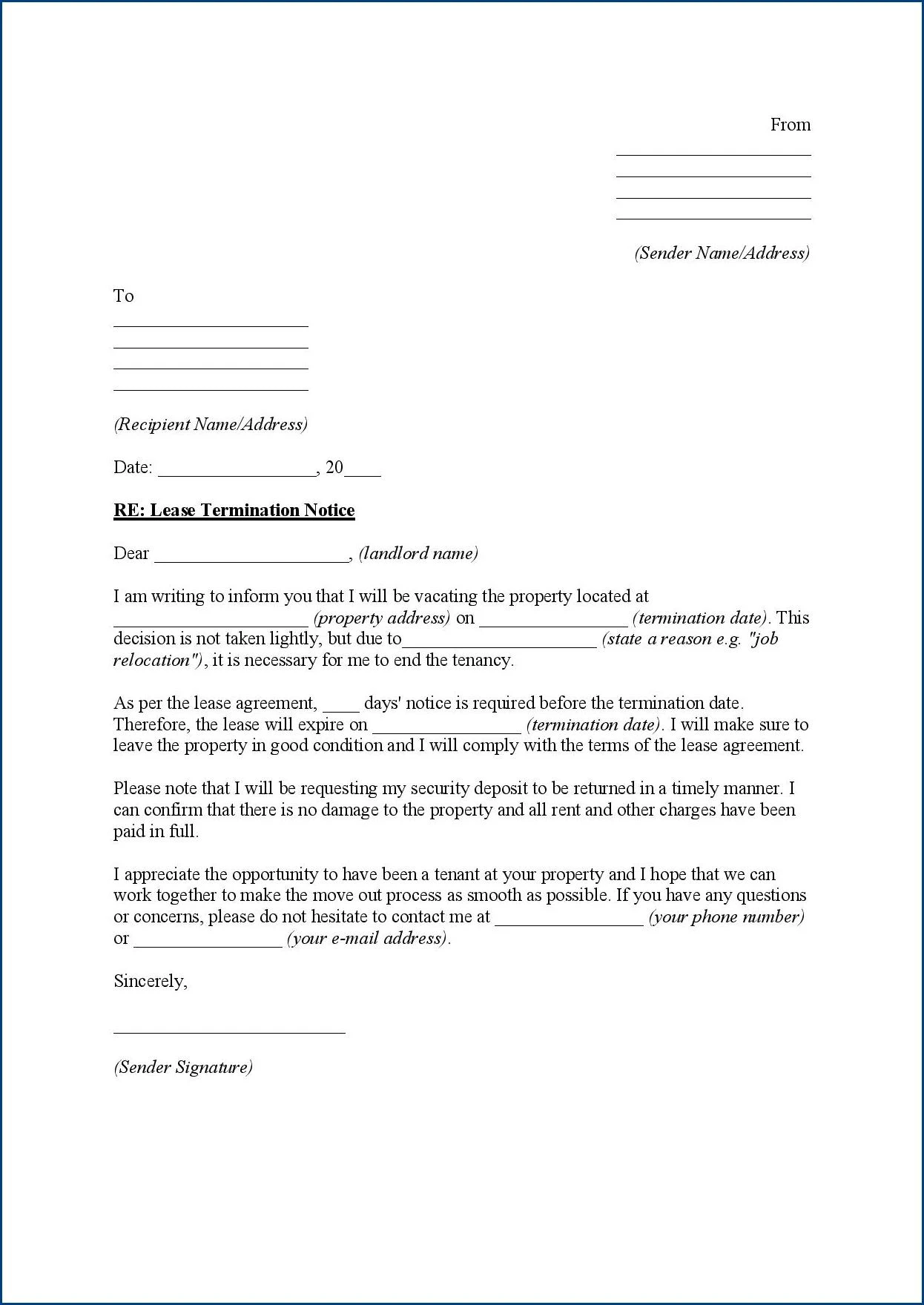
Lease agreement termination is a crucial process that formally ends the legal relationship between a landlord and a tenant before the original lease term expires. Whether it is due to mutual agreement, breach of contract, or other specified conditions, terminating a lease ensures a clear and legally sound process for ending the tenancy and addressing any outstanding obligations or liabilities.
In this article, we will delve into the various aspects of lease termination, including reasons for termination, legal requirements, common pitfalls, and alternatives to termination.
What Is A Lease Termination?
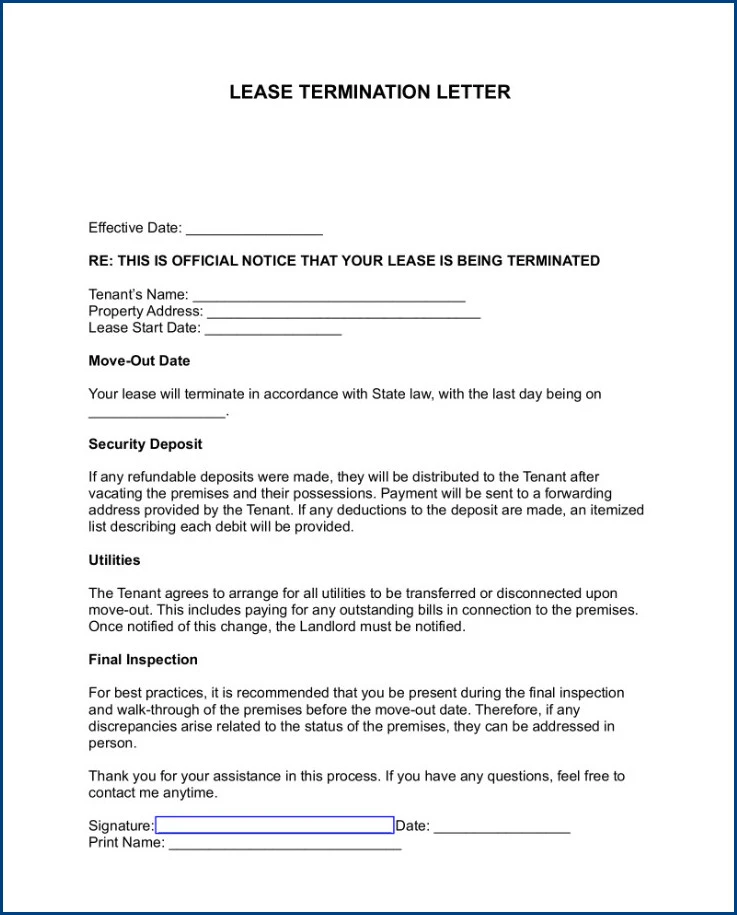
A lease termination refers to the formal end of a lease agreement between a landlord and a tenant before the original lease term expires. This process can be initiated for various reasons, such as mutual agreement, breach of contract, or specific conditions outlined in the lease agreement.
By terminating the lease, both parties are released from their obligations under the original lease agreement and can move forward with new arrangements.
Why Would You Terminate A Lease Agreement?
There are several reasons why a landlord or tenant may choose to terminate a lease agreement before the original term expires. Some common reasons for lease termination include:
- Relocation: The tenant may need to move to a different location for personal or professional reasons.
- Financial Hardship: The tenant may be facing financial difficulties and unable to continue paying rent.
- Violation of Lease Terms: Either party may breach the terms of the lease agreement, leading to termination.
- Property Damage: Significant damage to the property may warrant termination of the lease agreement.
- Change in Circumstances: Unexpected changes in circumstances may necessitate early termination of the lease.
How Do You Legally Terminate A Lease Agreement?
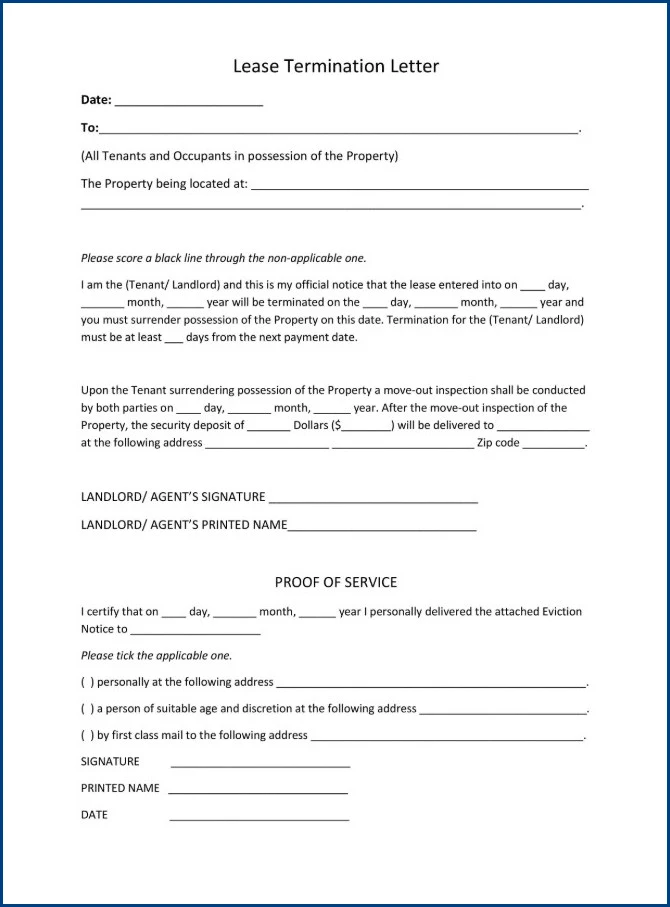
When it comes to terminating a lease agreement, it is essential to follow the legal requirements outlined in the lease agreement and applicable laws. Here are some steps to legally terminate a lease:
- Review the Lease Agreement: Carefully read the lease agreement to understand the terms and conditions for termination.
- Provide Notice: Give the required notice period as specified in the lease agreement or local laws.
- Document Everything: Keep records of all communications and actions related to the lease termination process.
- Follow Proper Procedures: Adhere to the procedures outlined in the lease agreement for terminating the lease.
- Seek Legal Advice: If in doubt, consult with a legal professional to ensure compliance with the law.
Are There Any Specific Laws To Follow For Lease Termination?
Lease termination laws vary by jurisdiction, so it is essential to familiarize yourself with the specific laws and regulations that apply to your situation. Some common legal requirements for lease termination include:
- Notice Period: Most jurisdictions require a specific notice period to be given before terminating a lease.
- Reasons for Termination: Some jurisdictions may require a valid reason for terminating a lease, such as non-payment of rent or breach of lease terms.
- Security Deposit Return: Laws may dictate the timeframe and procedures for returning the security deposit to the tenant after lease termination.
What Legal Documents Will I Need To Terminate A Lease?
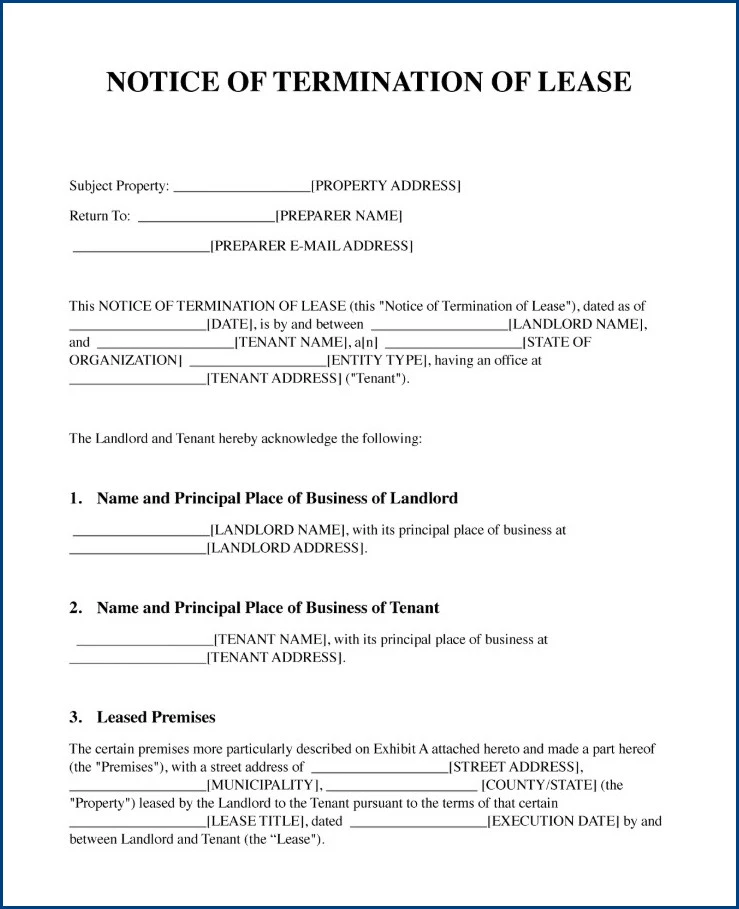
When terminating a lease agreement, it is important to have the necessary legal documents in place to protect both parties’ interests. Some common legal documents required for lease termination include:
- Lease Termination Notice: A written notice stating the intention to terminate the lease agreement.
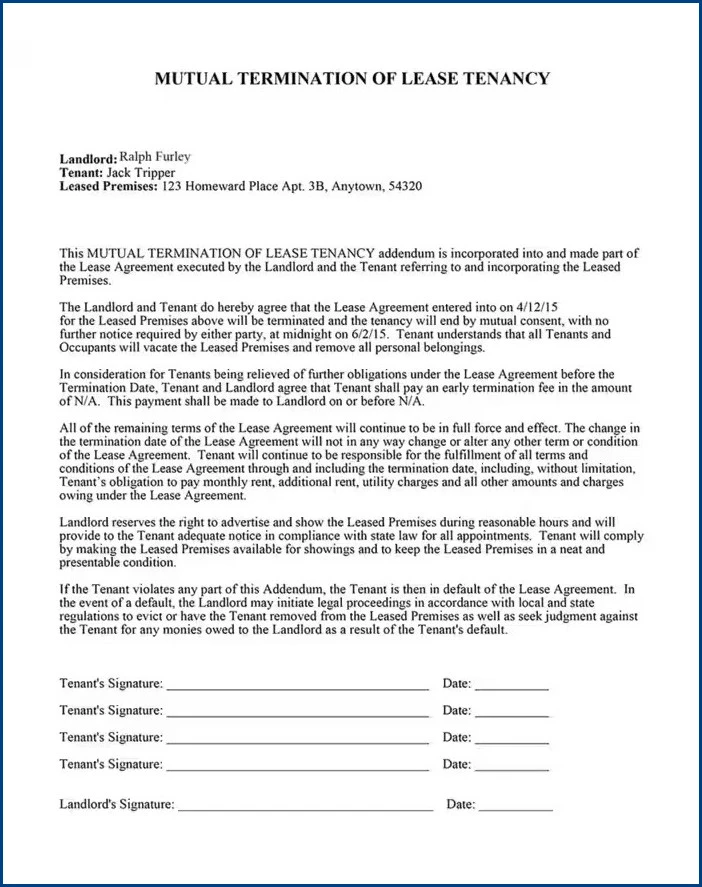
- Lease Termination Agreement: A formal agreement signed by both parties confirming the terms of lease termination.
- Security Deposit Return Form: A form outlining the procedures for returning the security deposit to the tenant.
Common Pitfalls And How To Avoid Them
When terminating a lease agreement, there are several common pitfalls that both landlords and tenants should be aware of to avoid potential conflicts or legal issues. Some common pitfalls include:
- Failure to Provide Proper Notice: Failing to give the required notice period can lead to disputes between parties.
- Ignoring Lease Terms: Not following the procedures outlined in the lease agreement can result in legal consequences.
- Incomplete Documentation: Lack of proper documentation can make it challenging to resolve disputes or claims.
- Violating Tenant Rights: Landlords must ensure they comply with tenant rights laws when terminating a lease.
Alternatives To Lease Termination: Assignment And Subletting
In some cases, instead of terminating a lease agreement, landlords and tenants may consider alternatives such as assignment and subletting. These options allow for the transfer of lease obligations to another party without formally ending the original lease agreement. Here’s a brief overview of assignment and subletting:
1. Assignment:
Assignment involves transferring the entire lease agreement to a new tenant, who assumes all rights and responsibilities under the original lease. This option requires the landlord’s consent and may involve a formal assignment agreement.
2. Subletting:
Subletting allows the original tenant to rent out all or part of the leased property to a subtenant. The original tenant remains responsible for fulfilling the lease terms, while the subtenant pays rent directly to the original tenant.
How Is The Security Deposit Returned?
After the lease agreement is terminated, the security deposit held by the landlord must be returned to the tenant in accordance with the lease terms and applicable laws. The security deposit should be returned within a specific timeframe, typically within a few weeks of the lease termination date. Landlords are required to provide an itemized list of any deductions made from the security deposit and return the remaining amount to the tenant.
Lease Agreement Termination Template – Word
