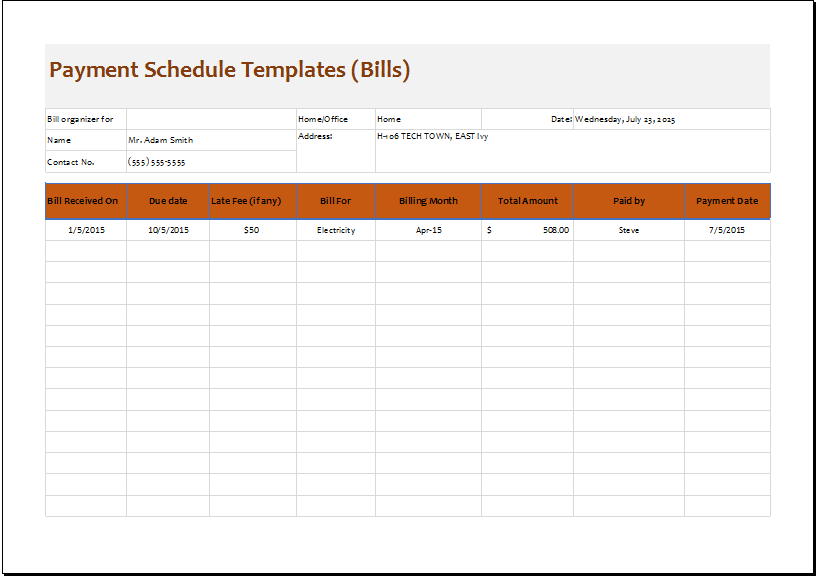
Payment plans are a financial tool that allows individuals and businesses to divide larger debts or purchases into smaller, more manageable installments. This approach helps debtors to meet their financial obligations over time without having to pay the full amount upfront. By offering payment plans, businesses can increase sales, improve cash flow, and re-engage customers by providing flexibility in how they make payments. In this article, we will explore the benefits of using payment plans and why you should consider offering them to your customers.
What Is A Payment Plan?
A payment plan is a structured arrangement that allows individuals or businesses to divide a larger debt or purchase into smaller, more manageable installments. This approach helps debtors to budget effectively, reduce financial stress, avoid penalties, and maintain their credit score. Payment plans provide flexibility in how payments are made, making it easier for individuals and businesses to meet their financial obligations over time.
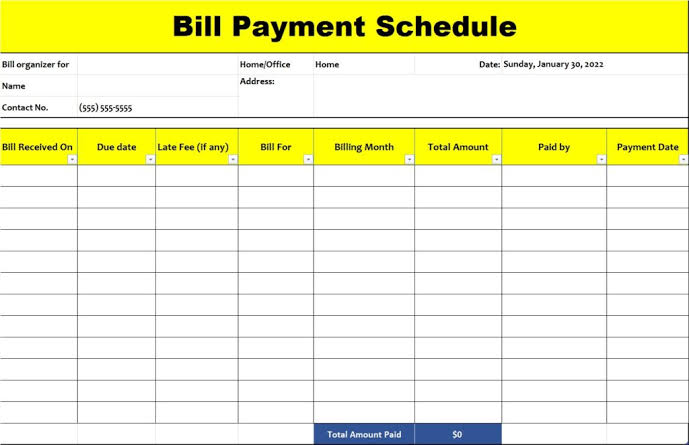
Why You Should Offer A Payment Plan To Your Customers?
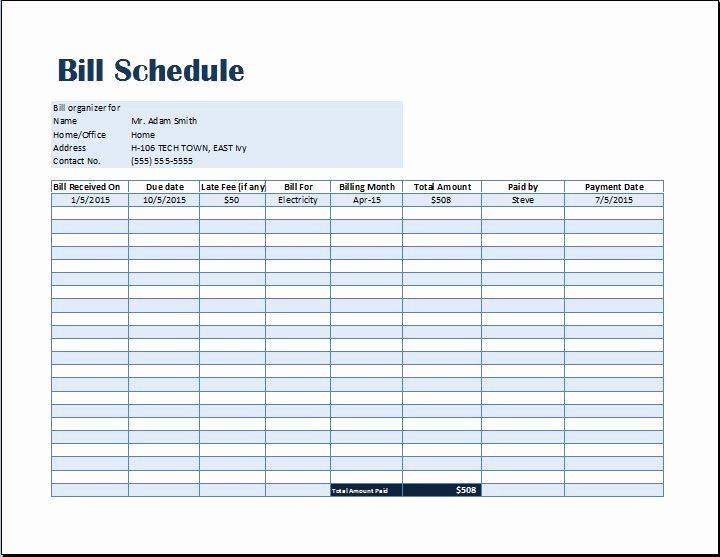
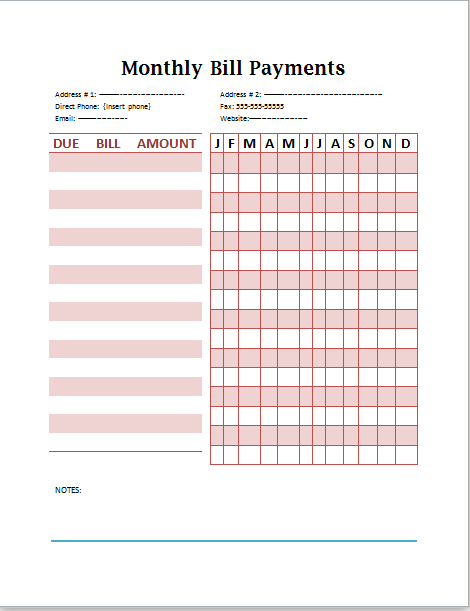
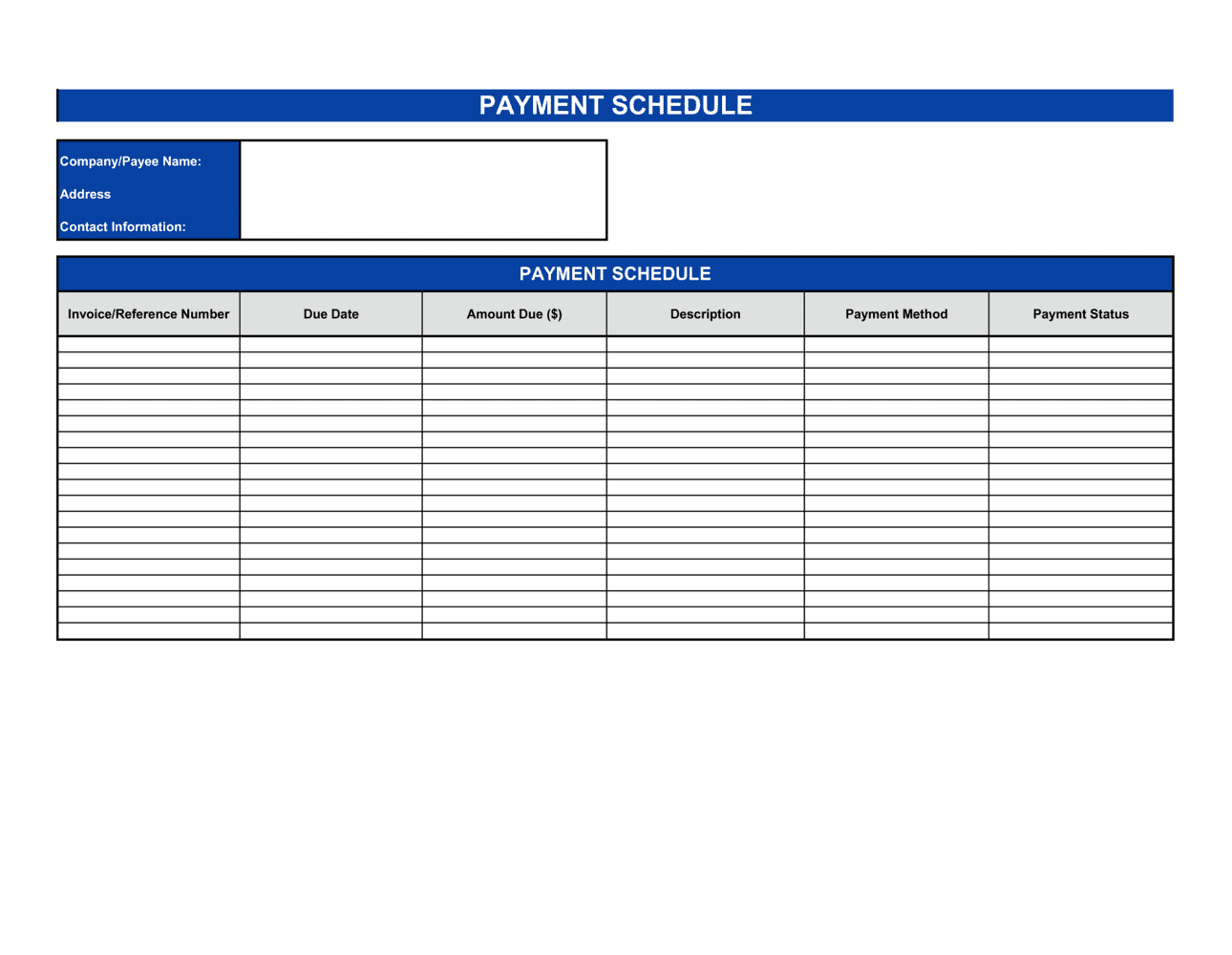
Offering a payment plan to your customers can have several benefits for your business. By providing flexibility in how payments are made, you can increase sales and improve cash flow. Payment plans also help to re-engage customers who may be hesitant to purchase due to financial constraints. Additionally, offering payment plans can help to build customer loyalty and trust, as it shows that you are willing to work with them to find a solution that meets their needs.
Who Can Enter Into A Payment Plan?
Payment plans are available to individuals and businesses who have a larger debt or purchase that they are unable to pay in full upfront. Whether it’s a medical bill, a car loan, or a new piece of equipment for your business, a payment plan can help you to manage your financial obligations over time. Before entering into a payment plan, it’s important to assess your financial situation and ensure that you can make the required payments on time.
What To Do Before Setting Up A Payment Plan?
Before setting up a payment plan, there are several steps that you should take to ensure that it is the right solution for your financial situation. First, assess your budget and determine how much you can afford to pay each month. Next, contact the creditor or vendor to discuss your payment options and negotiate a plan that works for both parties. Make sure to review the terms of the payment plan carefully and understand any fees or penalties that may apply if you miss a payment.
- Assess your budget: Determine how much you can afford to pay each month.
- Contact the creditor or vendor: Discuss your payment options and negotiate a plan that works for both parties.
- Review the terms: Carefully review the terms of the payment plan and understand any fees or penalties that may apply.
Conclusion
Payment plans offer a flexible and effective way for individuals and businesses to manage their financial obligations over time. By dividing larger debts or purchases into smaller installments, debtors can budget effectively, reduce financial stress, and maintain their credit score. For businesses, offering payment plans can lead to increased sales, improved cash flow, and re-engaged customers. Before setting up a payment plan, it’s important to assess your budget, negotiate terms with the creditor or vendor, and review the agreement carefully to ensure that it meets your needs.
