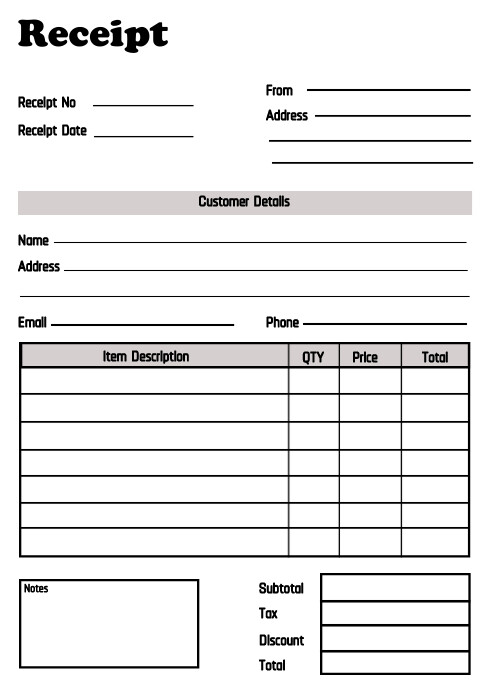
Payment receipts are a crucial aspect of any business transaction. They serve as proof of payment for goods or services, acting as a record of the transaction for both the customer and the business. For customers, payment receipts provide documentation for their expenses and warranty claims, while businesses use them for financial record-keeping, tax compliance, and to track cash flow. In this article, we will delve into the significance of payment receipts and explore the key elements that make up a payment receipt.
What Is a Payment Receipt?
A payment receipt is a document provided by a business to a customer after a financial transaction has taken place. It serves as evidence that a payment has been made for goods or services and includes details such as the amount paid, the date of payment, the method of payment, and the name of the recipient. Payment receipts can be issued in various forms, including paper receipts, email receipts, or digital receipts.
What Is The Difference Between a Payment Receipt And a Sales Receipt?
While both payment receipts and sales receipts document a transaction, they serve different purposes. A payment receipt is issued to the customer after a payment has been made, confirming the completion of the transaction. On the other hand, a sales receipt is provided at the time of purchase, detailing the items bought, their prices, and the total amount due. Sales receipts are used as proof of purchase, while payment receipts serve as proof of payment.
Why Issue a Payment Receipt?
Issuing a payment receipt is essential for both customers and businesses. For customers, a payment receipt serves as proof of payment for future reference, warranty claims, or reimbursement purposes. It also helps them keep track of their expenses and budget effectively. Businesses, on the other hand, use payment receipts for financial record-keeping, tax compliance, and to monitor their cash flow. Additionally, providing customers with payment receipts enhances transparency and builds trust with the clientele.
The Key Elements of a Payment Receipt
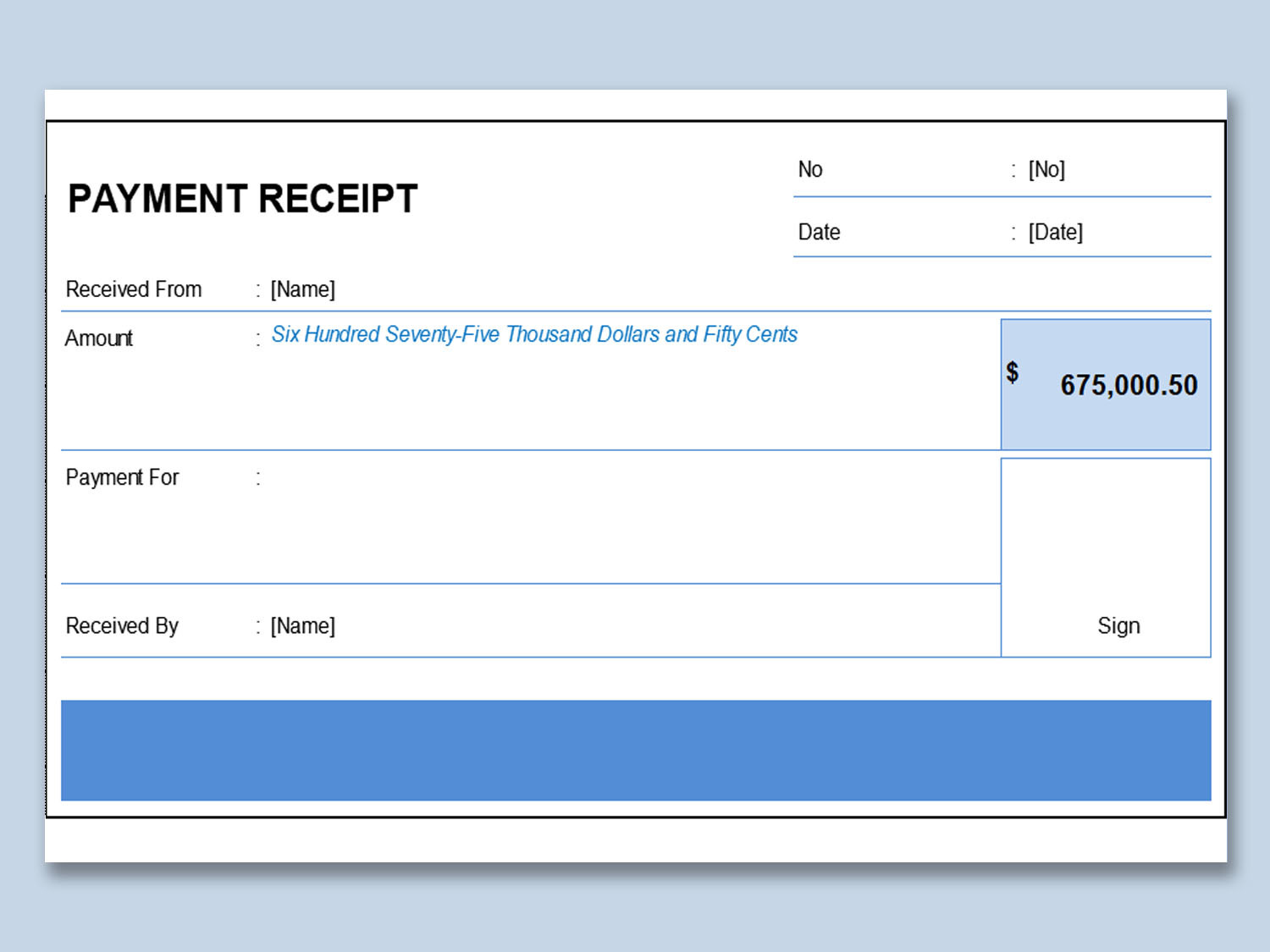
A well-crafted payment receipt should contain the following key elements:
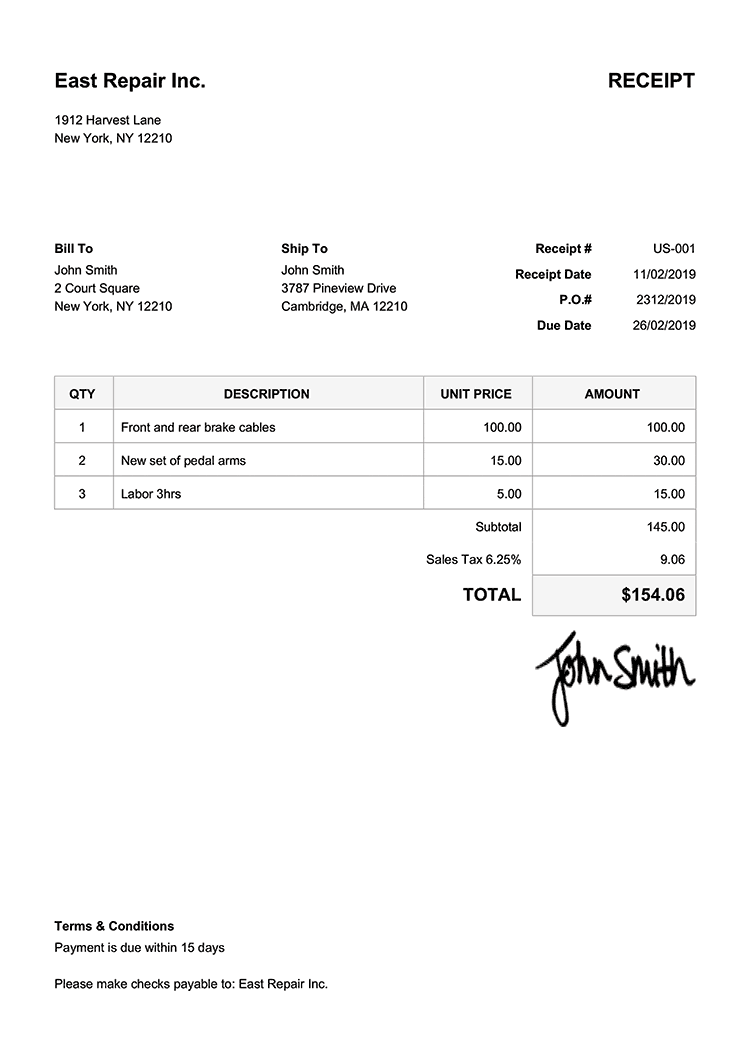
- Merchant Information. This includes the name, address, and contact details of the business.
- Customer Information. The receipt should include the name and contact information of the customer.
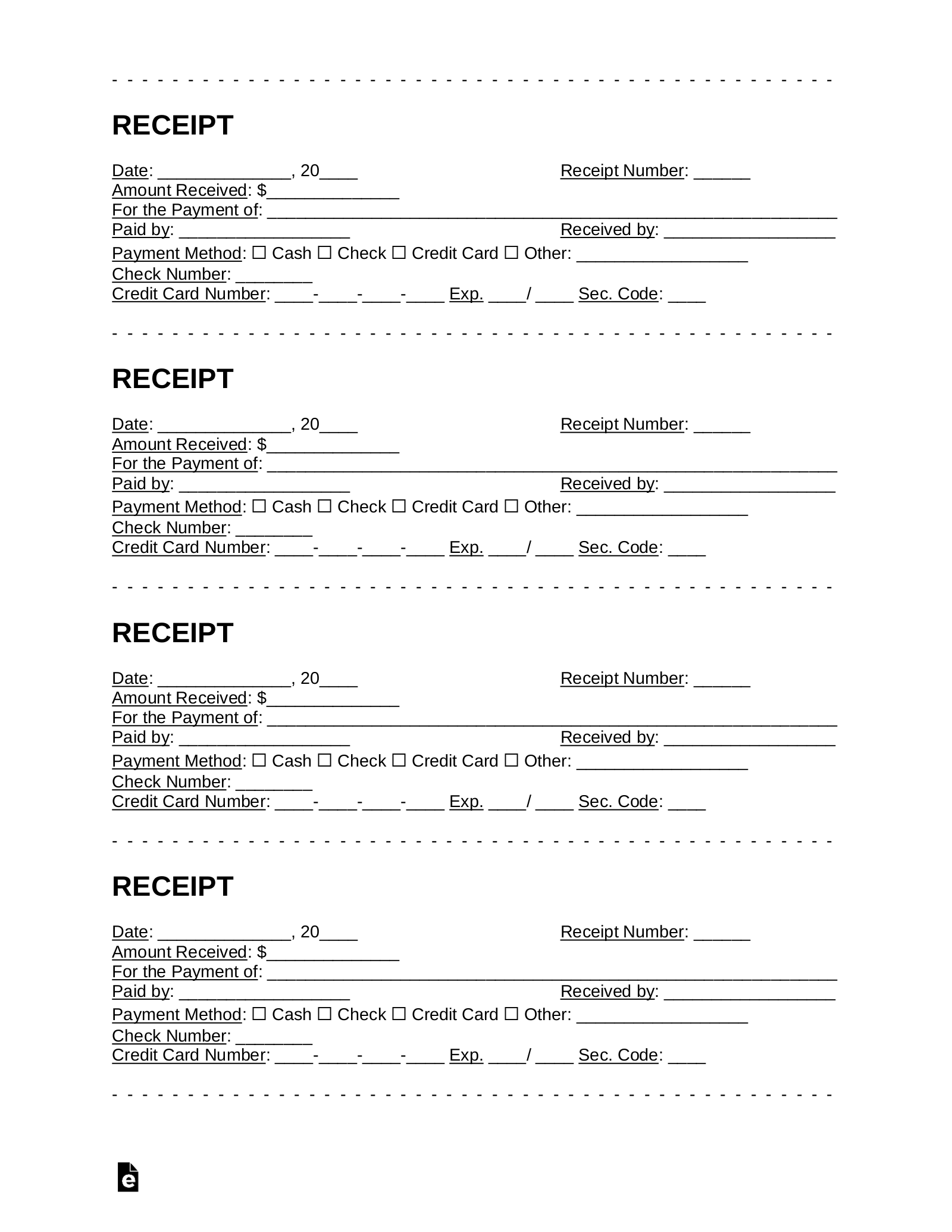
- Payment Details. This section should outline the amount paid, the date of payment, the method of payment, and any reference numbers.
- Itemized List. If applicable, the receipt should list the items or services purchased along with their prices.
- Terms and Conditions. Include any relevant terms and conditions, such as refund policies or warranty information.
- Signature. Both the customer and the business representative should sign the receipt for validation.
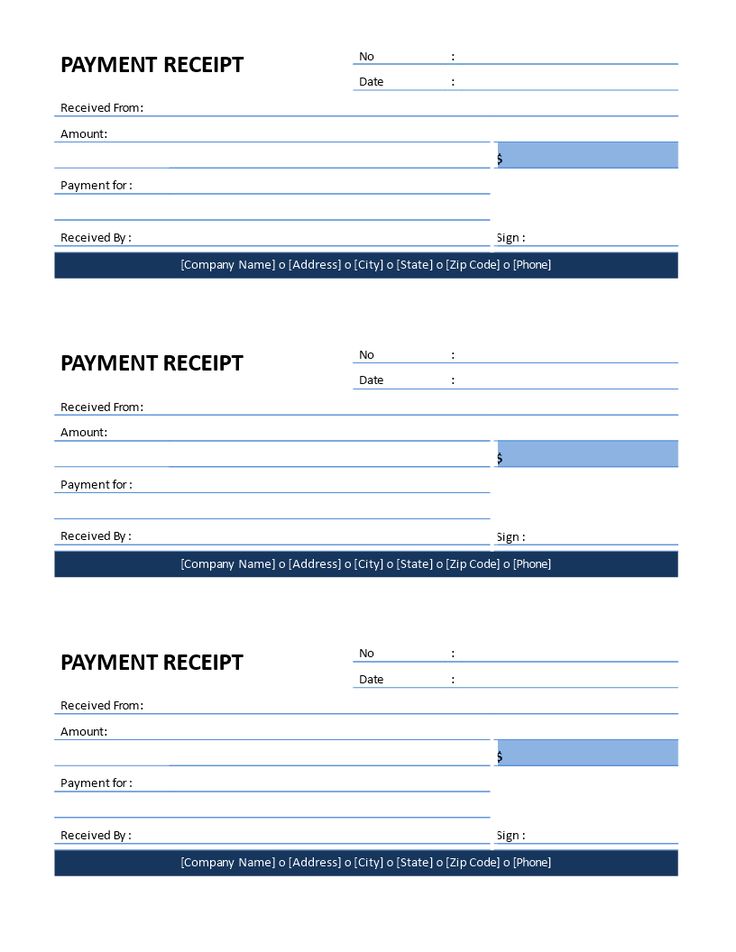
How to Write a Receipt of Payment
Writing a receipt of payment is a straightforward process that involves capturing all the necessary details accurately. Start by including the merchant’s information at the top of the receipt, followed by the customer’s information. Then, list the payment details, including the amount paid, the date of payment, and the method of payment. If there are specific items purchased, provide an itemized list with corresponding prices. Finally, include any terms and conditions, and ensure that both parties sign the receipt for validation.
Payment Receipt Best Practices
When issuing payment receipts, it is essential to follow best practices to ensure accuracy and compliance. Some best practices include:
- Use a Professional Template. Utilize a standardized receipt template to maintain consistency and professionalism.
- Include All Relevant Details. Ensure that all payment details, including the amount, date, and method of payment, are clearly stated on the receipt.
- Keep Copies for Record-Keeping. Make copies of all payment receipts for your records and easy reference in the future.
- Secure Sensitive Information. Protect customer information by securely storing payment receipts and adhering to data protection regulations.
- Provide Receipts Promptly. Issue payment receipts promptly after a transaction to avoid any delays or confusion.
- Offer Multiple Receipt Options. Provide customers with the option to receive paper receipts, email receipts, or digital receipts for convenience.
- Seek Customer Feedback. Encourage customers to provide feedback on the receipt process to improve customer satisfaction and address any concerns.
Conclusion
Payment receipts play a vital role in ensuring transparency, record-keeping, and compliance for both customers and businesses. By issuing detailed and accurate payment receipts, businesses can enhance customer trust, maintain financial integrity, and streamline their operations effectively. Following best practices when creating payment receipts is key to building a strong foundation for financial transactions and fostering long-term relationships with customers.
