
In today’s digital age, where information is readily available at our fingertips, the role of a company brochure may seem outdated. However, the truth is that a well-designed company brochure can still be a powerful tool to inform, persuade, and provide a tangible overview of a business’s products, services, and brand values to potential customers.
What is a Company Brochure?
A company brochure is a printed piece of marketing material that serves as a comprehensive introduction to a business. It typically includes information about the company’s history, products or services offered, contact details, and brand messaging. Company brochures can come in various formats, such as bi-fold, tri-fold, or even booklet style, depending on the amount of information that needs to be communicated.
1. Company History
A company brochure often includes a brief overview of the company’s history, highlighting key milestones and achievements that have shaped the business over the years.
2. Products or Services Offered
One of the main purposes of a company brochure is to showcase the products or services offered by the business. This section typically includes detailed descriptions, images, and pricing information to help potential customers understand what the company has to offer.
3. Contact Details
It is essential to include contact details in a company brochure so that potential customers know how to reach out to the business for inquiries or purchases. This section usually includes phone numbers, email addresses, physical addresses, and website URLs.
4. Brand Messaging
A company brochure is also an opportunity to communicate the brand values and messaging of the business. This can help potential customers understand what the company stands for and why they should choose to do business with them.
Why Use a Company Brochure?
Despite the rise of digital marketing channels, such as social media and email campaigns, company brochures still hold significant value in the marketing mix. Here are some reasons why you should consider using a company brochure for your business:
1. Tangible Marketing Material
Unlike digital marketing materials, such as emails or social media posts, a company brochure is a physical item that potential customers can hold in their hands. This tangibility can leave a lasting impression and make your business more memorable.
2. Targeted Distribution
Company brochures can be distributed in targeted locations, such as trade shows, networking events, or direct mail campaigns, to reach potential customers who are already interested in your products or services.
3. Brand Consistency
A well-designed company brochure can help reinforce brand consistency by using the same colors, fonts, and messaging that are used in other marketing materials. This can help create a cohesive brand identity and make your business more recognizable.
4. Informative Content
Company brochures allow you to provide detailed information about your products or services in a format that is easy to read and understand. This can help potential customers make informed decisions about whether to do business with your company.
5. Professional Image
Having a high-quality company brochure can help convey a sense of professionalism and credibility to potential customers. It shows that your business is serious about what it does and is willing to invest in marketing materials to showcase its offerings.
What to Include in a Company Brochure
When designing a company brochure, it is essential to include the following key elements to ensure that it effectively informs, persuades, and showcases your business:
1. Compelling Cover Design
The cover of your company brochure is the first thing that potential customers will see, so it needs to be eye-catching and compelling. Use high-quality images, bold colors, and attention-grabbing headlines to entice readers to open the brochure.
2. Company Overview
Include a brief overview of your company, including its history, mission statement, and core values. This section should give readers a sense of who you are as a business and what sets you apart from the competition.
3. Products or Services Section
Provide detailed information about the products or services that your company offers. Include descriptions, images, pricing information, and any other relevant details that will help potential customers understand what you have to offer.
4. Testimonials or Case Studies
Including testimonials from satisfied customers or case studies of successful projects can help build credibility and trust with potential customers. It shows that your products or services have been well-received by others and can help alleviate any doubts or concerns they may have.
5. Contact Information
Make sure to include all relevant contact information, such as phone numbers, email addresses, physical addresses, and website URLs. This makes it easy for potential customers to get in touch with your business if they have any questions or are ready to make a purchase.
6. Call to Action
Include a clear call to action in your company brochure to encourage readers to take the next step, whether it’s visiting your website, calling for more information, or making a purchase. This helps guide potential customers towards the desired outcome.
7. High-Quality Images
Use high-quality images throughout your company brochure to visually showcase your products or services. Clear, professional photographs can help grab the reader’s attention and make your offerings more appealing.
Samples of Company Brochure Template:


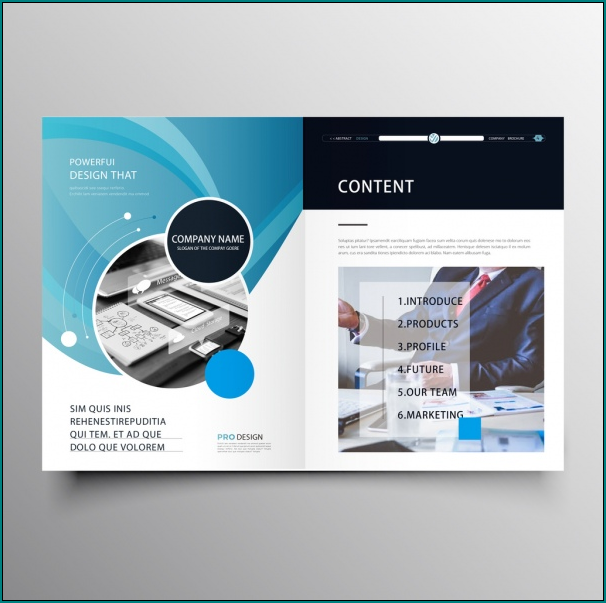
How to Design a Company Brochure
Designing a company brochure that effectively informs, persuades, and showcases your business requires careful planning and attention to detail. Here are some steps to help you create a professional-looking brochure that will make a lasting impression on potential customers:
1. Define Your Objectives
Before you start designing your company brochure, clearly define your objectives. What do you want to achieve with this brochure? Are you looking to generate leads, increase brand awareness, or promote a specific product or service? Understanding your goals will help guide the design process.
2. Know Your Audience
Consider who your target audience is and what information will be most relevant and appealing to them. Tailor your messaging, imagery, and design elements to resonate with the needs and preferences of your target market.
3. Choose the Right Format
Decide on the format of your company brochure based on the amount of information you need to communicate. Bi-fold brochures are suitable for shorter messages, while tri-fold or booklet-style brochures are better for more detailed content.
4. Create a Strong Visual Identity
Use consistent branding elements, such as colors, fonts, and logos, throughout your company brochure to create a cohesive visual identity. This will help reinforce brand recognition and make your business more memorable.
5. Keep it Simple and Readable
Avoid cluttering your company brochure with too much text or images. Keep the design clean and organized, with plenty of white space to help guide the reader’s eye and make the content easier to read.
6. Use High-Quality Printing
Invest in high-quality printing for your company brochure to ensure that colors are vibrant, images are sharp, and text is easy to read. A professionally printed brochure reflects positively on your business and helps create a lasting impression.
Tips for Successful Company Brochures
Creating a successful company brochure that effectively informs, persuades, and showcases your business requires careful planning and attention to detail. Here are some tips to help you design a brochure that will make a lasting impression on potential customers:
- Focus on Benefits: Highlight the benefits of your products or services rather than just listing features.
- Use Engaging Headlines: Use catchy headlines to grab the reader’s attention and entice them to keep reading.
- Include Calls to Action: Encourage readers to take the next step, whether it’s visiting your website or contacting your business.
- Proofread Carefully: Make sure to proofread your company brochure carefully to catch any typos or errors before printing.
- Get Feedback: Before finalizing your brochure, get feedback from colleagues, friends, or even customers to ensure that it resonates with your target audience.
- Track Results: Once your company brochure is in circulation, track its performance to see how well it is achieving your objectives and make adjustments as needed.
- Update Regularly: Keep your company brochure up to date with the latest information about your products, services, and business to ensure that it remains relevant and effective.
In conclusion, a well-designed company brochure can still be a powerful tool to inform, persuade, and provide a tangible overview of a business’s products, services, and brand values to potential customers. By following the tips and guidelines outlined in this article, you can create a professional-looking brochure that will make a lasting impression and help drive business growth.
Company Brochure Template | Word download
