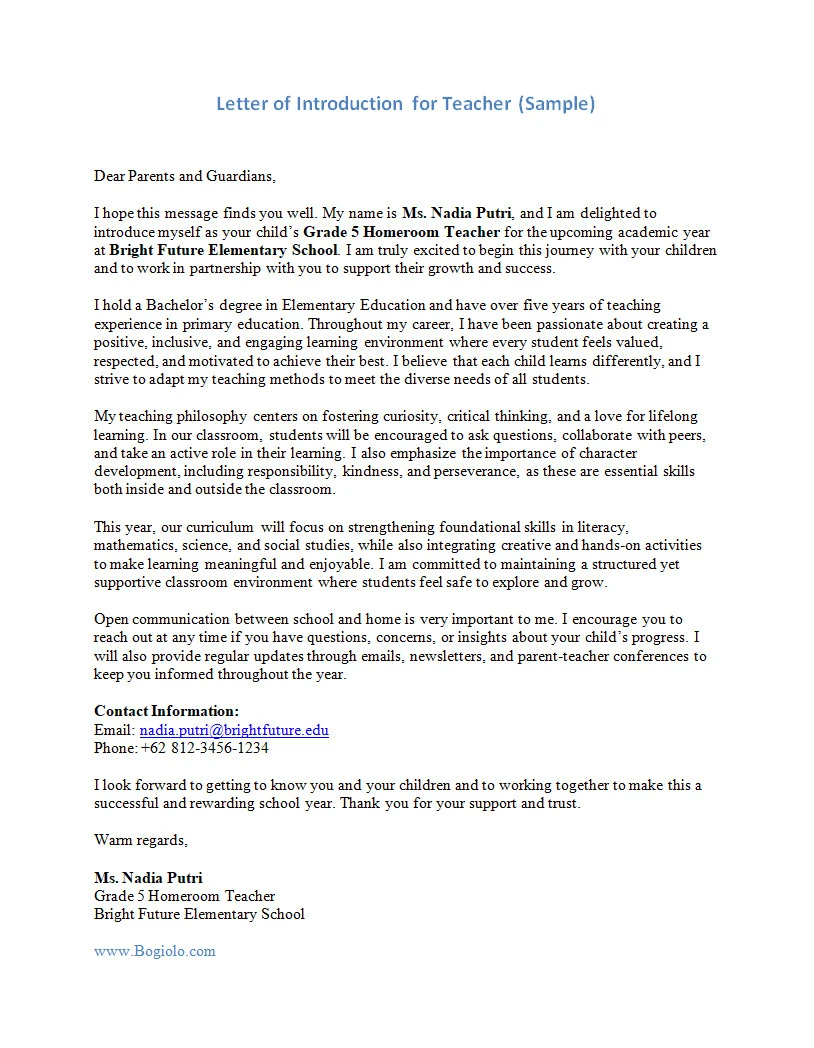
As a teacher, one of the most crucial aspects of your role is building a strong connection with parents and guardians.
A letter of introduction can be a powerful tool to establish this bond from the start, providing insight into your personality, teaching philosophy, and goals for the upcoming school year. By addressing parental concerns, inspiring involvement in their child’s education, and setting a positive tone, you can lay the foundation for a successful partnership.
Let’s explore how to craft an effective letter of introduction that will resonate with families and set the stage for a productive school year.
What is a Letter of Introduction for Teachers?
A letter of introduction for teachers serves as a means to introduce yourself to parents and guardians, offering a glimpse into who you are as an educator and what they can expect from you throughout the school year. It provides an opportunity to share your teaching philosophy, goals, and communication preferences, while also setting expectations for parent-teacher collaboration.
The letter aims to establish trust, build rapport, and foster a sense of partnership between teachers and families.
Why is a Letter of Introduction Important?
A well-crafted letter of introduction is essential for several reasons. Firstly, it helps alleviate parental concerns by providing insight into the teacher’s background, approach to teaching, and overall demeanor. This can ease anxieties and build confidence in the teacher’s ability to support their child’s academic and personal development.
Additionally, the letter sets the stage for open communication, encouraging parents to be actively involved in their child’s education and fostering a sense of collaboration between home and school.
What to Include in a Letter of Introduction
When composing a letter of introduction for teachers, it’s important to include the following key elements:
- Introduction: Begin by introducing yourself and providing a brief overview of your background and experience.
- Teaching Philosophy: Share your beliefs about education, learning, and student growth.
- Goals for the Year: Outline your objectives for the upcoming school year and how you plan to achieve them.
- Communication Preferences: Specify how you prefer to communicate with parents and how they can reach out to you.
- Expectations for Parent Involvement: Clearly communicate your expectations for parental involvement and collaboration.
- Contact Information: Provide your contact information in case parents have any questions or concerns.
How to Write an Effective Letter of Introduction
Writing a compelling letter of introduction requires careful thought and consideration. Here are some tips to help you craft an impactful message:
- Be Genuine: Share your authentic self and let your personality shine through in your writing.
- Be Positive: Maintain a positive tone throughout the letter to set a welcoming and optimistic atmosphere.
- Be Clear and Concise: Keep your message clear, concise, and to the point to ensure it is easily understood by parents.
- Be Engaging: Use storytelling or anecdotes to capture the reader’s attention and make a personal connection.
- Be Open to Feedback: Invite parents to reach out with any questions, feedback, or concerns they may have.
Tips for Success
To ensure your letter of introduction resonates with parents and guardians, consider the following tips:
- Personalize the Message: Tailor the letter to your specific audience to make it more relatable and engaging.
- Proofread Carefully: Double-check for any spelling or grammatical errors to maintain a professional image.
- Include a Call to Action: Encourage parents to get involved or reach out to you with any questions or concerns.
- Follow Up: Be prepared to follow up with parents after sending the letter to address any feedback or questions they may have.
In Conclusion
A well-crafted letter of introduction can be a powerful tool for teachers to establish connections with parents and guardians, set expectations for communication, and inspire involvement in their child’s education. By sharing your personality, teaching philosophy, and goals for the year, you can create a strong foundation for a collaborative and supportive relationship that benefits both students and families.
Take the time to craft a thoughtful and engaging letter that showcases your passion for teaching and commitment to student success.
Letter of Introduction Template for Teacher – Word
