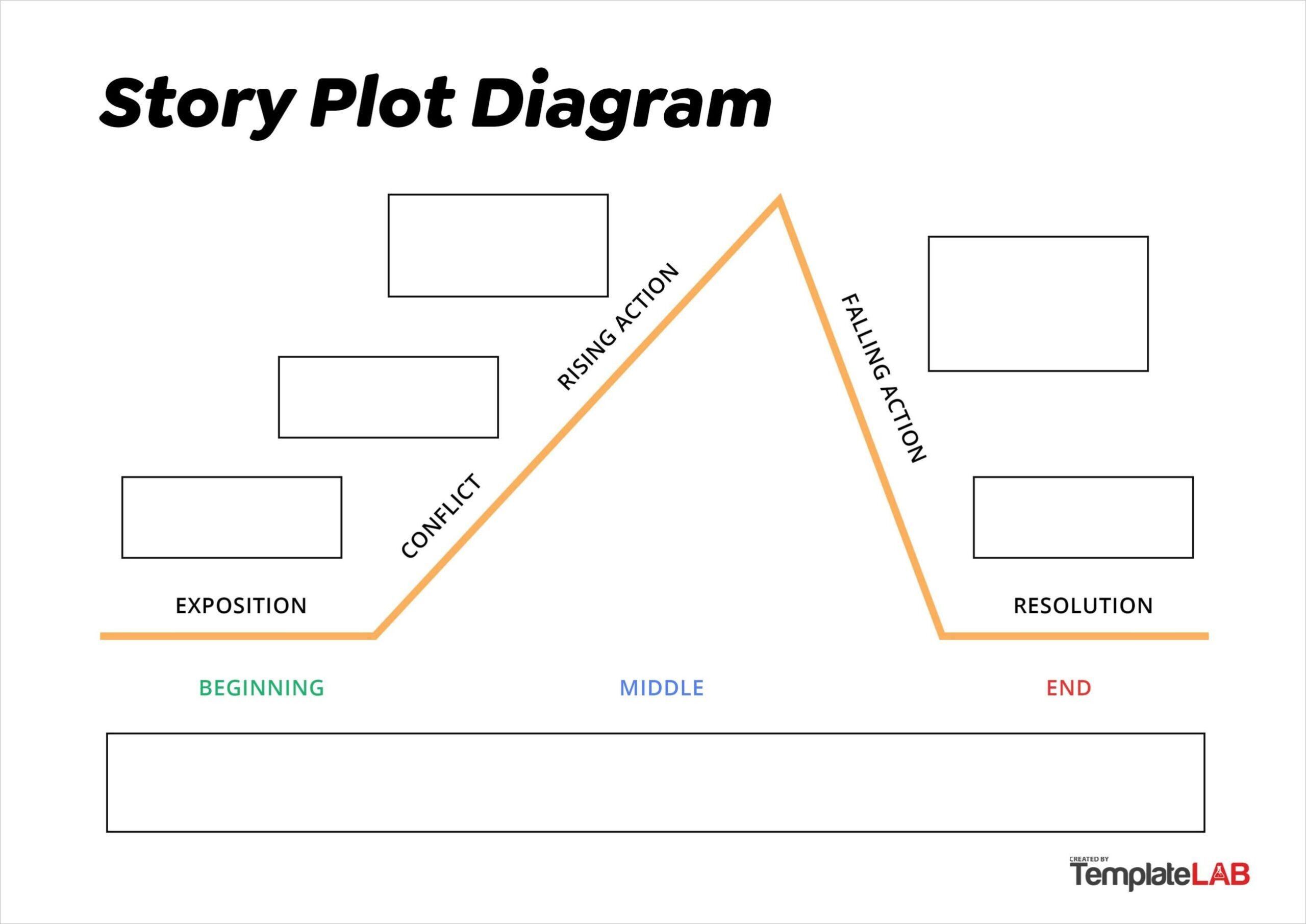
Have you ever found yourself lost in a sea of words while reading a story or struggling to organize your thoughts while writing one? Enter the plot diagram – a visual representation of a story’s structure that can help both writers and readers understand, organize, and analyze the narrative’s key components from beginning to end. Think of it as a roadmap that outlines how the story develops through exposition, conflict, rising action, climax, falling action, and resolution, clarifying the flow of the story and the relationship between events.
In this guide, we will delve into the world of plot diagrams, exploring their types, elements, and how they can enhance storytelling and writing.
What is a Plot Diagram?
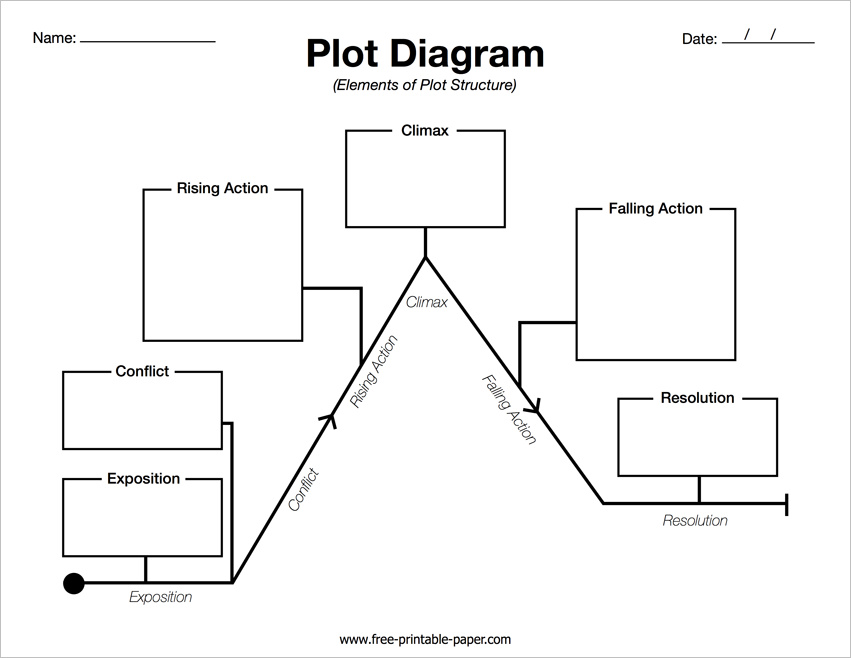
A plot diagram is a graphic organizer that illustrates the structure of a story. It consists of six main components: exposition, conflict, rising action, climax, falling action, and resolution. Each of these elements plays a crucial role in shaping the narrative and guiding the reader through the story’s progression.
Types of Plot Diagrams
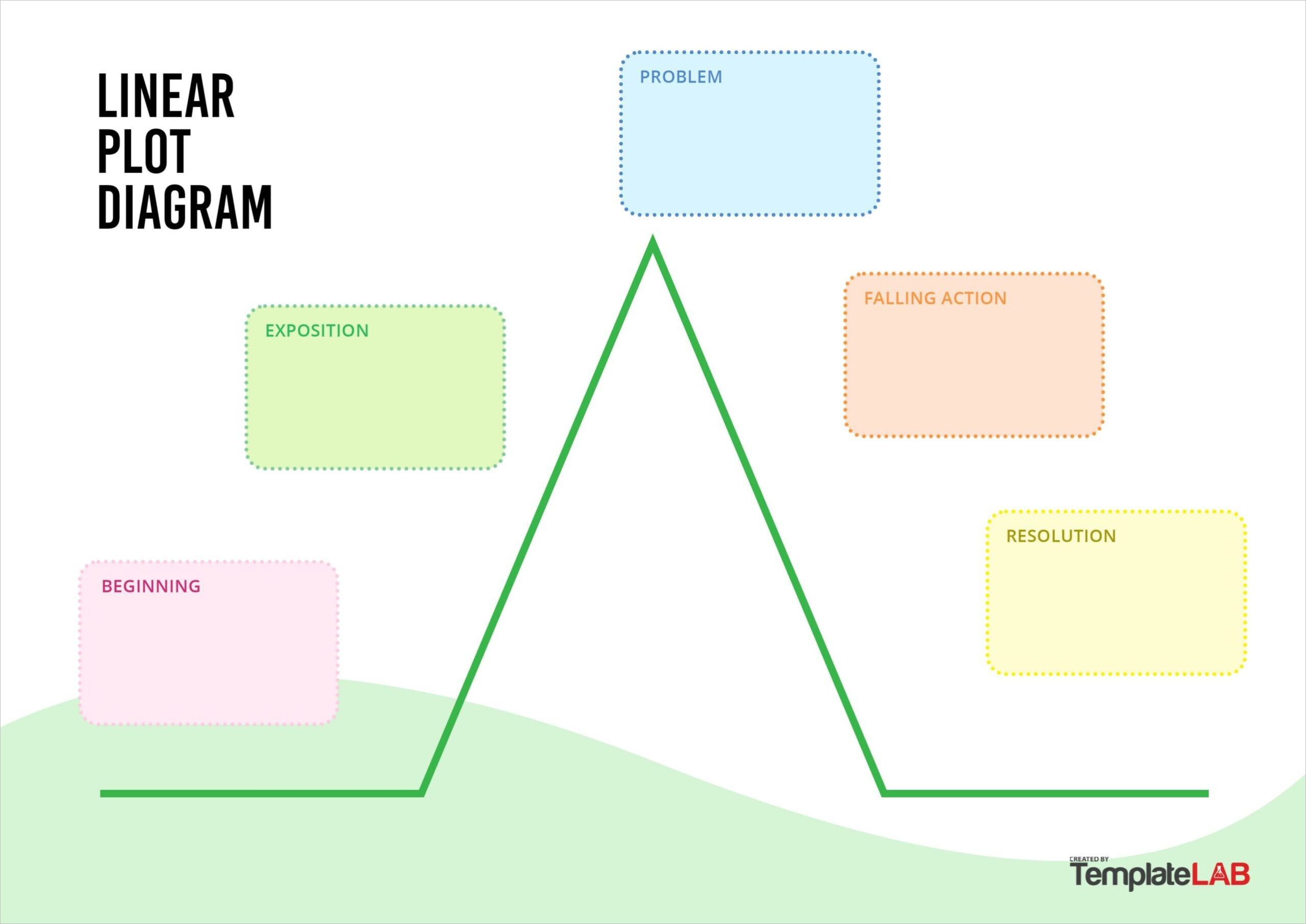
There are various types of plot diagrams that writers can use to map out their stories. Some common types include:
- Linear Plot Diagram: This type follows a straight, chronological sequence from beginning to end.
- Inverted Plot Diagram: In this type, the story begins with the climax and then traces back to reveal how the events led to that point.
- Zigzag Plot Diagram: This type involves multiple plotlines that intersect and diverge, creating a complex and interconnected narrative.
How Plot Diagrams Help in Storytelling and Writing
Plot diagrams serve as invaluable tools for both storytellers and writers by providing a visual representation of the story’s structure. They help in:
- Organizing Ideas: Plot diagrams help writers organize their thoughts and ideas, ensuring a coherent and well-structured story.
- Building Tension: By mapping out the rising action and climax, plot diagrams can help creators build tension and suspense in their narratives.
- Enhancing Understanding: For readers, plot diagrams offer a clear overview of the story’s key components, making it easier to follow and analyze the plot.
Elements of Plot Diagrams
Plot diagrams consist of the following essential elements:
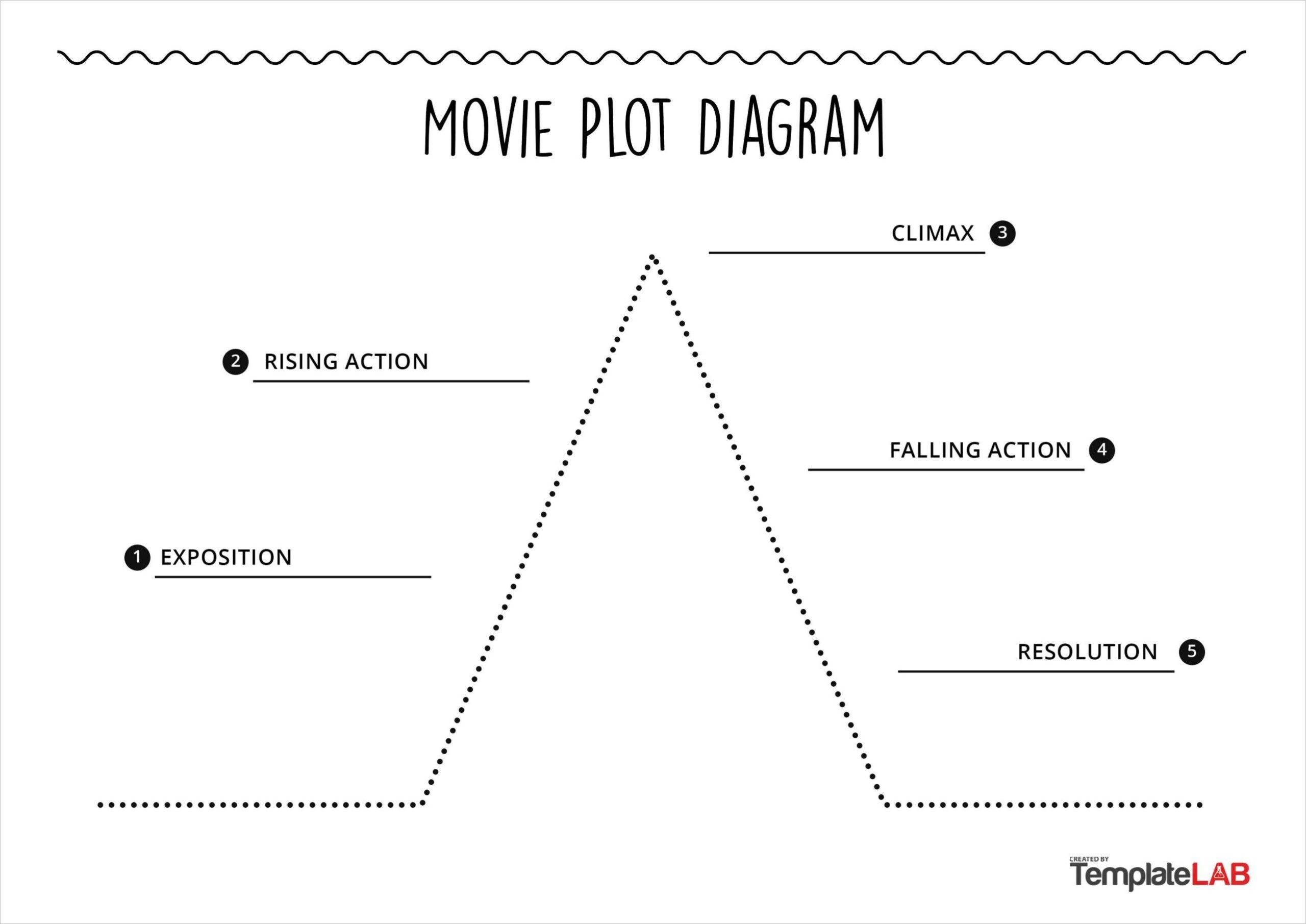
- Exposition: Introduces the characters, setting, and background information of the story.
- Conflict: The central problem or struggle that drives the plot forward.
- Rising Action: Events leading up to the climax, where tension and suspense build.
- Climax: The turning point of the story, where the conflict reaches its peak.
- Falling Action: Events that follow the climax and lead to the resolution.
- Resolution: The conclusion of the story, where loose ends are tied up and conflicts are resolved.
How to Make a Plot Diagram (Step-by-Step)
Creating a plot diagram is a straightforward process that involves the following steps:
1. Identify the Key Elements:
Begin by identifying the key elements of your story, including the characters, setting, conflict, and resolution.
2. Outline the Plot Points:
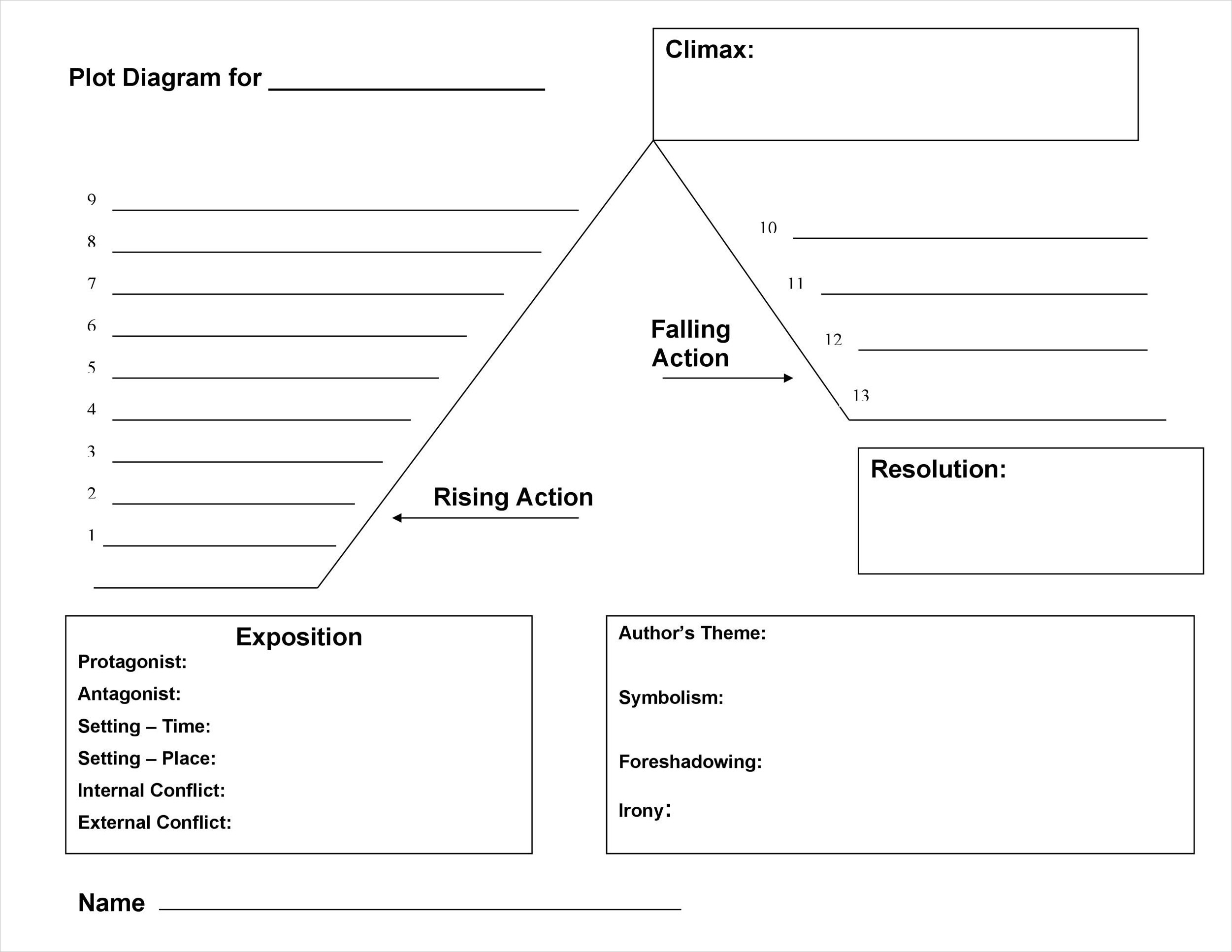
Map out the major plot points, such as the exposition, rising action, climax, falling action, and resolution, in sequential order.
3. Draw the Diagram:
Draw a visual representation of the plot diagram, with each element clearly labeled and connected in a logical sequence.
4. Add Details:
Include additional details, such as character motivations, plot twists, and subplots, to enrich the story’s complexity.
5. Review and Revise:
Review the plot diagram to ensure coherence and consistency, making any necessary revisions to enhance the overall structure.
6. Use as a Guide:
Refer to the plot diagram as a guide while writing or revising your story, ensuring that it maintains a cohesive and engaging narrative flow.
7. Share and Seek Feedback:
Share your plot diagram with others for feedback and insights, using their input to refine and improve your storytelling technique.
In Conclusion
Plot diagrams are powerful tools that can transform the way we approach storytelling and writing. By providing a visual roadmap of a story’s structure, plot diagrams help us navigate the complexities of narrative development, ensuring that our stories resonate with readers and leave a lasting impact. So, the next time you find yourself lost in the labyrinth of storytelling, remember the power of plot diagrams to guide you through the twists and turns of your narrative journey.
