Non-compete agreements are essential legal tools that help businesses protect their confidential information and trade secrets from being misused by employees.
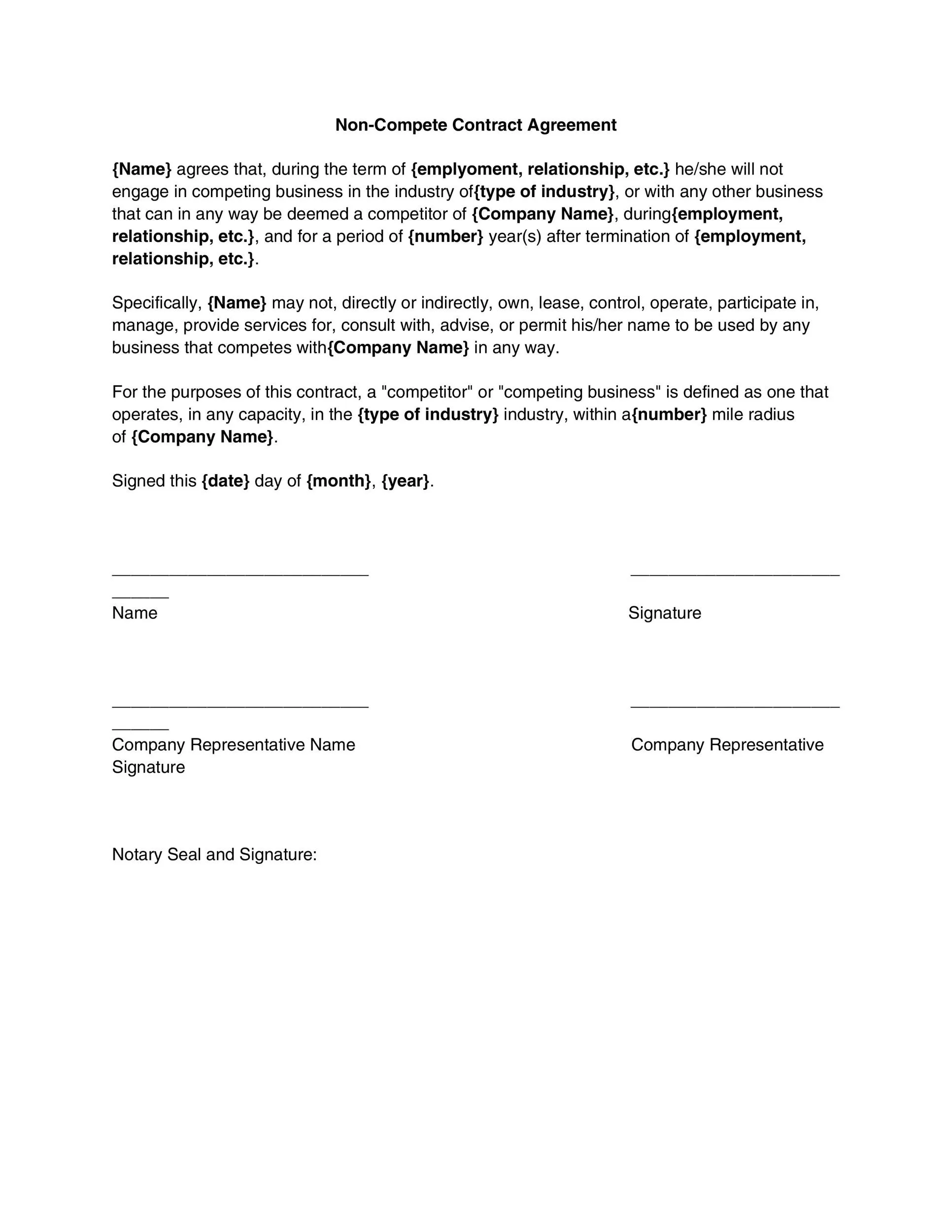
These agreements are designed to prevent employees from using insider knowledge to start a competing business or work for a rival company after leaving their current employer. By setting clear boundaries and restrictions, non-compete agreements play a crucial role in safeguarding the interests and assets of businesses across various industries.
What is a Non-Compete Agreement?
A non-compete agreement, also known as a covenant not to compete, is a legally binding contract between an employer and an employee that limits the employee’s ability to engage in certain activities that may compete with the employer’s business interests.
These agreements typically outline the specific restrictions, such as the duration of the non-compete period, the geographic scope of the restrictions, and the prohibited activities.
Key Components of a Non-Compete Agreement:
Non-compete agreements contain several key components that define the terms and conditions of the restrictions imposed on the employee:
- Duration: Specifies the length of time the employee is bound by the non-compete agreement, typically ranging from six months to two years.
- Geographic Scope: Defines the geographical area where the restrictions apply, such as within a specific city, state, or region.
- Restricted Activities: Outlines the specific activities that the employee is prohibited from engaging in, such as working for a direct competitor or starting a similar business.
By clearly defining these parameters, non-compete agreements help mitigate the risk of employees using confidential information or trade secrets to gain an unfair advantage over their former employers.
Enforceability of Non-Compete Agreements:
The enforceability of non-compete agreements can vary depending on state laws and the specific circumstances of the agreement. Courts typically consider factors such as the reasonableness of the restrictions, the potential impact on the employee’s ability to find work, and the protection of legitimate business interests when determining the enforceability of a non-compete agreement.
Employers must ensure that their non-compete agreements are drafted carefully to comply with legal requirements and maximize their enforceability in the event of a dispute. Working with experienced legal counsel can help businesses create non-compete agreements that strike a balance between protecting their interests and respecting the rights of their employees.
When and Why Are Non-Compete Agreements Used?
Non-compete agreements are commonly used in industries where employees have access to sensitive information, proprietary technology, client lists, or trade secrets that could be used to benefit a competitor. Employers may require employees to sign these agreements as a condition of employment, promotion, or as a prerequisite for accessing confidential information.
Industries That Use Non-Compete Agreements
Non-compete agreements are prevalent in industries where employees have access to sensitive information, proprietary technology, client lists, or trade secrets that could be used to compete with their employers. While non-compete agreements are used across a wide range of sectors, some industries are particularly known for their reliance on these contracts to protect their business interests.
Technology Industry:
The technology sector is notorious for its use of non-compete agreements to safeguard valuable intellectual property, software code, algorithms, and trade secrets. Tech companies often require employees to sign non-compete agreements to prevent them from using proprietary information to launch competing products or services or join rival firms in the industry.
- Software Development: Companies that develop software applications, platforms, or technology solutions often use non-compete agreements to protect their code, algorithms, and innovative designs from being copied or shared with competitors.
- Hardware Manufacturing: Tech companies involved in the manufacturing of hardware devices, electronics, or computer components may utilize non-compete agreements to prevent employees from starting similar businesses or working for competitors in the industry.
- IT Consulting: IT consulting firms that provide specialized services, technical expertise, or customized solutions to clients frequently rely on non-compete agreements to protect their client relationships and prevent employees from poaching customers after leaving the company.
Healthcare Industry:
In the healthcare sector, non-compete agreements are commonly used to protect patient lists, medical records, treatment protocols, and specialized knowledge from being used by departing employees to establish competing practices or work for rival healthcare providers. Healthcare organizations rely on non-compete agreements to safeguard their reputation, patient base, and proprietary medical information.
- Physician Practices: Medical practices and healthcare facilities often require physicians, nurses, and other healthcare professionals to sign non-compete agreements to prevent them from setting up independent practices, joining competing hospitals, or soliciting patients after leaving the organization.
- Healthcare Technology: Companies that develop healthcare software, medical devices, or digital health solutions frequently use non-compete agreements to protect their proprietary technology, patient data, and research findings from being shared with competitors or used for personal gain.
- Pharmaceuticals: Pharmaceutical companies that conduct research, development, and manufacturing of drugs and medical products often use non-compete agreements to safeguard their drug formulas, clinical trial data, and market strategies from being disclosed to competitors by former employees.
Finance and Banking Industry:
Financial institutions, investment firms, and banking organizations rely on non-compete agreements to protect client portfolios, financial data, investment strategies, and proprietary trading algorithms from being exploited by departing employees. Non-compete agreements in the finance industry help prevent unfair competition, client poaching, and misuse of confidential information.
- Investment Banking: Investment banks and financial advisory firms often use non-compete agreements to prevent employees from joining rival firms, soliciting clients, or sharing proprietary investment strategies after leaving the company.
- Wealth Management: Wealth management firms that provide financial planning, investment advice, and asset management services typically require employees to sign non-compete agreements to protect client accounts, investment portfolios, and confidential financial information.
- Corporate Finance: Companies involved in corporate finance activities, such as mergers and acquisitions, capital raising, and financial analysis, use non-compete agreements to safeguard sensitive financial data, deal structures, and client relationships from being misused by departing employees.
Retail and Sales Industry:
Retailers, sales organizations, and marketing agencies often use non-compete agreements to protect customer lists, sales strategies, marketing tactics, and product information from being used by former employees to compete with the company. Non-compete agreements in the retail and sales industry help prevent employees from soliciting customers, stealing trade secrets, or joining rival companies after leaving their current employer.
- Retail Chains: Retail chains and franchised stores frequently use non-compete agreements to prevent employees from opening competing stores, working for rival brands, or disclosing confidential pricing information after termination.
- Sales Agencies: Sales agencies, marketing firms, and advertising companies rely on non-compete agreements to protect client accounts, sales pipelines, and marketing campaigns from being exploited by departing employees seeking to start their own agencies or join competitors in the industry.
- Direct Sales: Companies that operate on a direct sales model, such as multi-level marketing firms, direct selling organizations, and independent sales representatives, often use non-compete agreements to prevent sales representatives from switching to competing companies or recruiting customers to rival brands.
How Long Do Most Non-Compete Agreements Last?
The duration of non-compete agreements can vary depending on industry practices, state laws, and the specific terms negotiated between the employer and employee. While some non-compete agreements may have a standard duration of one to two years, others may be shorter or longer based on the nature of the business, the level of competition in the industry, and the type of information being protected.
Factors Influencing Non-Compete Agreement Duration:
Several factors can influence the length of a non-compete agreement, including:
- Industry Norms: Certain industries may have standard practices for non-compete agreement durations based on common business practices and competitive dynamics within the sector.
- Geographic Scope: The geographic area covered by the non-compete agreement can impact the duration of the restrictions, with broader geographic restrictions potentially warranting a longer non-compete period.
- Seniority and Role: The seniority of the employee, their access to sensitive information, and the importance of their role within the organization can influence the length of the non-compete agreement.
- Protectable Interests: The type of information or assets being protected by the non-compete agreement, such as trade secrets, client relationships, or proprietary technology, can impact the duration of the restrictions.
Employers must carefully consider these factors when drafting non-compete agreements to ensure that the duration of the restrictions is reasonable and necessary to protect their legitimate business interests without unduly limiting the employee’s ability to find work in the industry.
Are Non-Compete Agreements Enforceable?
The enforceability of non-compete agreements can vary depending on state laws, industry practices, and the specific circumstances of the agreement. While non-compete agreements are generally considered legal and enforceable if they are reasonable in scope, duration, and geographic extent, courts may invalidate agreements that are overly broad, unfair to the employee, or contrary to public policy.
Key Considerations for Enforceability:
When determining the enforceability of a non-compete agreement, courts typically consider several key factors:
- Reasonableness: The restrictions imposed by the non-compete agreement must be reasonable in scope, duration, and geographic extent to protect legitimate business interests without unduly restricting the employee’s ability to earn a living.
- Protection of Trade Secrets: Non-compete agreements are more likely to be enforced if they are designed to protect trade secrets, proprietary information, or confidential business strategies from being misappropriated or used by competitors.
- Impact on Employee: Courts may consider the potential impact of the non-compete agreement on the employee’s ability to find work in the industry, advance their career, or earn a livelihood when assessing its enforceability.
- Public Interest: Non-compete agreements that are deemed harmful to competition, innovation, or consumer choice may be invalidated by courts if they are found to be contrary to public policy or anticompetitive in nature.
Employers should work with legal counsel to ensure that their non-compete agreements are carefully drafted to comply with state laws and maximize the likelihood of enforceability in the event of a dispute. By creating clear and reasonable restrictions that protect legitimate business interests without unduly burdening employees, businesses can create non-compete agreements that are more likely to be upheld by courts.
Non-Compete Agreement Template
A Non-Compete Agreement helps protect a business’s confidential information, trade secrets, and competitive interests by clearly defining restrictions on an individual’s ability to engage in competing activities after employment or a business relationship ends. It outlines important terms such as the scope of restricted activities, geographic limits, and duration to ensure clarity and enforceability. With a well-structured template, you can reduce legal risk, prevent unfair competition, and maintain professional, fair agreements.
Download our Non-Compete Agreement Template today to safeguard your business interests with a clear and reliable agreement.
Non-Compete Agreement Template – DOWNLOAD
