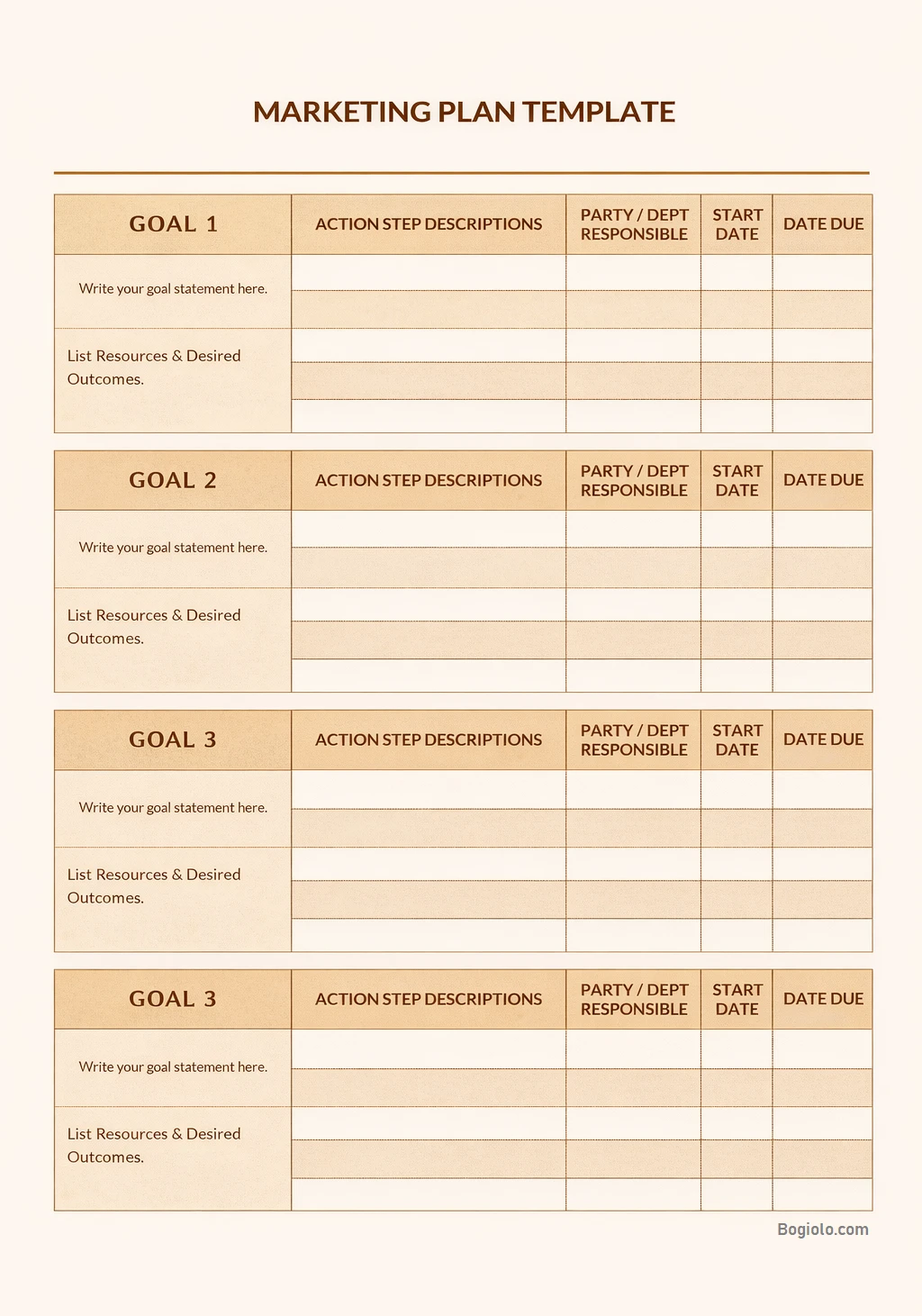
In today’s competitive business landscape, having a well-defined marketing plan is crucial for the success of any company. A marketing plan serves as a strategic roadmap that outlines how a business will reach its target audience, promote its products or services, and allocate resources effectively. By organizing marketing efforts, setting clear objectives, and tracking progress, a marketing plan ensures alignment across the company and enables data-driven decisions to be made.
In this guide, we will explore the key components of a successful marketing plan and provide tips for creating one that will help your business achieve its goals.
What is a Marketing Plan?
A marketing plan is a comprehensive document that outlines a company’s overall marketing strategy for a specific period, typically over the course of a year. It serves as a roadmap for how the company will achieve its marketing objectives and reach its target audience.
A well-crafted marketing plan will include an analysis of the market, target audience, competitors, and the company’s unique selling proposition. It will also detail the specific tactics and channels that will be used to promote the company’s products or services, as well as the budget and resources that will be allocated to each activity.
Why You Need a Marketing Plan
A marketing plan is essential for any business looking to grow and succeed in today’s competitive marketplace. Here are some key reasons why you need a marketing plan:
- Alignment: A marketing plan ensures that all stakeholders are aligned on the company’s marketing goals and strategies.
- Focus: A marketing plan helps you stay focused on your objectives and prioritize activities that will drive results.
- Efficiency: By outlining your marketing tactics and budget, a marketing plan helps you allocate resources effectively and avoid wasted time and money.
- Measurement: A marketing plan enables you to track the performance of your campaigns and make data-driven decisions to optimize your marketing efforts.
- Growth: With a well-defined marketing plan, you can identify growth opportunities and develop strategies to capitalize on them, driving business growth.
What to Include in Your Marketing Plan
When creating a marketing plan for your business, there are several key components that you should include to ensure its effectiveness:
- Executive Summary: A brief overview of the key components of your marketing plan.
- Situation Analysis: An analysis of the market, target audience, competitors, and SWOT analysis.
- Marketing Objectives: Clear, measurable objectives that you want to achieve with your marketing efforts.
- Marketing Strategy: The overall strategy for reaching your target audience and promoting your products or services.
- Tactics and Channels: Specific tactics and channels that will be used to execute your marketing strategy.
- Budget and Resources: Allocation of budget and resources for each marketing activity.
- Measurement and Tracking: Key performance indicators (KPIs) for tracking the success of your campaigns.
- Review and Adaptation: Plans for reviewing and adapting your marketing plan based on performance and market changes.
How to Create a Marketing Plan
Creating a marketing plan can seem like a daunting task, but by following these steps, you can develop a comprehensive plan that will set your business up for success:
1. Define Your Marketing Objectives: Start by identifying the specific goals you want to achieve with your marketing efforts. Whether it’s increasing brand awareness, generating leads, or driving sales, clear objectives will guide your strategy.
2. Conduct Market Research: Gather data on your target audience, competitors, and market trends to inform your marketing strategy. Understanding the market landscape will help you identify growth opportunities.
3. Develop Your Marketing Strategy: Based on your objectives and research, outline the overall strategy for reaching your target audience and promoting your products or services. Consider which tactics and channels will be most effective in achieving your goals.
4. Create a Tactical Plan: Detail the specific tactics and channels that will be used to execute your marketing strategy. Include a timeline for implementation, budget allocation, and resource requirements for each activity.
5. Set Key Performance Indicators (KPIs): Determine the KPIs that will be used to measure the success of your campaigns. Whether it’s website traffic, lead generation, or sales, tracking KPIs will help you gauge the effectiveness of your marketing efforts.
6. Monitor and Track Progress: Once your marketing plan is in motion, regularly monitor and track the performance of your campaigns against your KPIs. Use this data to make informed decisions and optimize your marketing efforts.
Tips for Successful Marketing Planning
Creating a successful marketing plan requires careful planning and execution. Here are some tips to help you develop a marketing plan that will drive results for your business:
- Set SMART Goals: Ensure your marketing objectives are Specific, Measurable, Achievable, Relevant, and Time-bound.
- Know Your Audience: Understand your target audience and tailor your messaging and tactics to resonate with their needs and preferences.
- Stay Agile: Be prepared to adapt your marketing plan based on performance data and changes in the market environment.
- Focus on ROI: Monitor the ROI of your marketing activities and allocate resources to tactics that drive the highest returns.
- Collaborate Across Teams: Involve key stakeholders from sales, product, and other departments in the planning process to ensure alignment and buy-in.
Conclusion
In conclusion, a well-crafted marketing plan is essential for the success of any business looking to grow and achieve its goals. By outlining your marketing objectives, strategies, tactics, and budget, you can ensure that your marketing efforts are focused, efficient, and data-driven.
With a clear roadmap in place, you can track your progress, make informed decisions, and optimize your marketing efforts for maximum impact. By following the tips outlined in this guide, you can create a marketing plan that will drive results and help your business thrive in today’s competitive marketplace.
Remember, a marketing plan is not a one-time document but a dynamic tool that should be regularly reviewed and adapted to ensure its effectiveness. By staying agile, focusing on ROI, and collaborating across teams, you can develop a marketing plan that will set your business up for success.
Marketing Plan Template – Download
