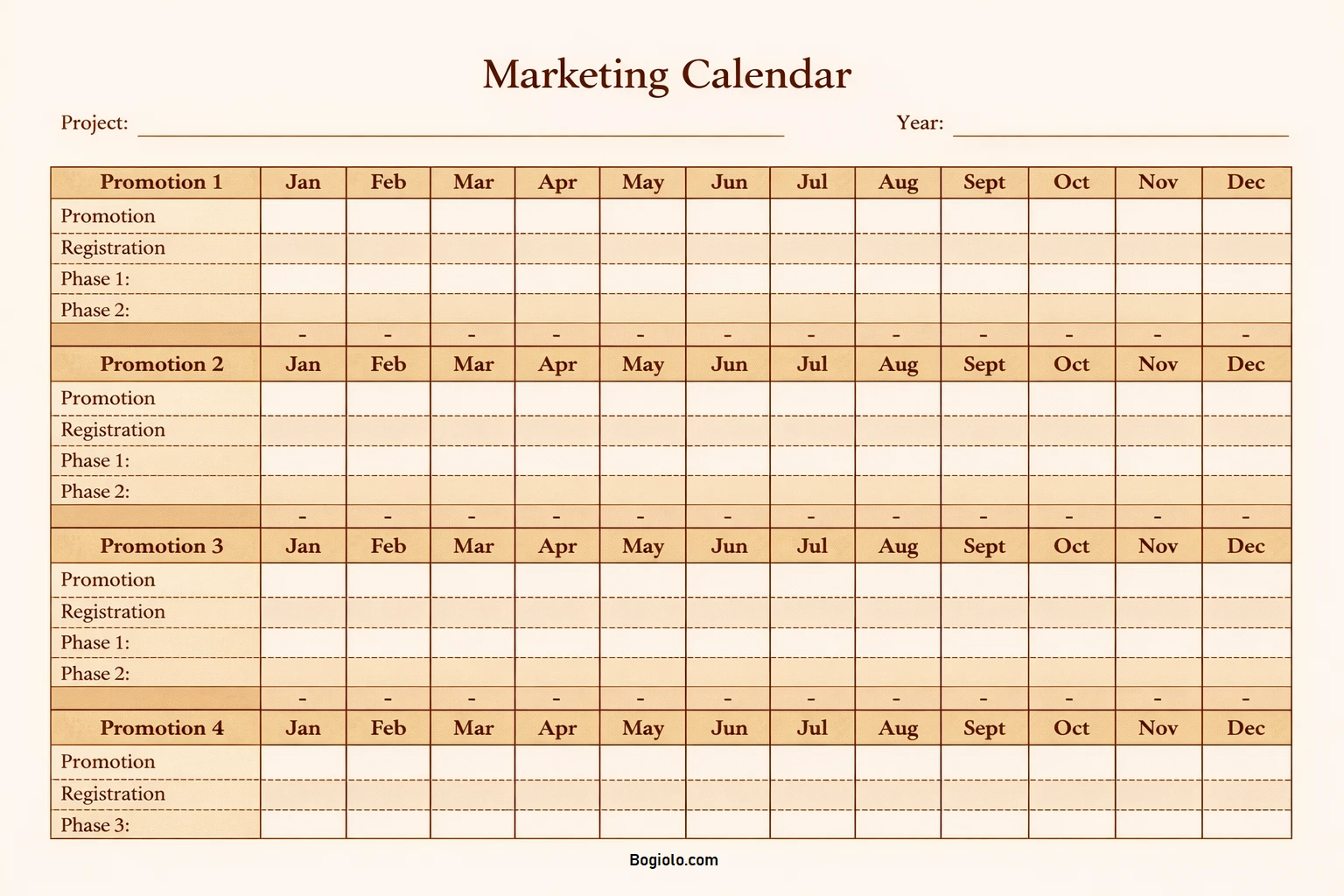
Marketing calendars are essential tools that enable businesses to plan, organize, and keep track of their content and promotional activities in advance. By creating a marketing calendar, businesses can ensure that their marketing efforts are cohesive, strategic, and aligned with their overall goals.
In this article, we will delve into the importance of marketing calendars, the types available, key elements to include, how to create one, and essential marketing tips for any business.
What is a Marketing Calendar?
A marketing calendar is a tool used by businesses to plan and schedule their marketing activities over a specific period, usually a month, quarter, or year. It helps businesses to organize their campaigns, content creation, social media posts, email newsletters, product launches, and other promotional activities in a structured manner.
By visualizing all marketing activities in one place, businesses can ensure that they are consistent, relevant, and timely.
Why All Businesses Need a Marketing Calendar?
Marketing calendars are essential for businesses of all sizes and industries for several reasons:
- Organization: A marketing calendar provides a clear overview of all marketing activities, making it easy to plan and schedule campaigns effectively.
- Consistency: By mapping out content in advance, businesses can ensure that their messaging is consistent across all channels.
- Efficiency: Having a marketing calendar helps businesses to avoid last-minute scrambling and ensures that all tasks are completed on time.
- Strategy: With a marketing calendar, businesses can align their marketing activities with their overall business goals and objectives.
- Measurement: By tracking the performance of each campaign on the calendar, businesses can analyze what works and what doesn’t for future improvements.
Types of Marketing Calendars
There are several types of marketing calendars that businesses can use, depending on their needs and preferences:
- Monthly Calendar: A simple calendar that outlines marketing activities for each month.
- Quarterly Calendar: A calendar that covers marketing plans for a quarter (three months).
- Yearly Calendar: A comprehensive calendar that details all marketing activities for the entire year.
- Content Calendar: Focuses specifically on content creation and publication schedules.
Top Elements to Include In a Marketing Calendar
When creating a marketing calendar, there are essential elements that businesses should include to ensure its effectiveness:
- Key Dates: Include important dates such as holidays, events, product launches, and industry-specific milestones.
- Marketing Channels: Specify which channels (social media, email, website, etc.) will be used for each campaign.
- Content Details: Outline the type of content, messaging, and visuals to be used for each campaign.
- Responsibilities: Assign tasks to team members and clearly define roles and deadlines.
- Goals and KPIs: Set specific goals and key performance indicators to measure the success of each campaign.
- Review and Analysis: Schedule regular reviews to assess the performance of each campaign and make necessary adjustments.
How to Create a Marketing Calendar
Creating a marketing calendar may seem daunting at first, but by following these steps, businesses can develop a comprehensive and effective marketing plan:
1. Define Your Goals
Start by outlining your marketing objectives and goals for the period you are planning to cover in the calendar.
2. Identify Your Target Audience
Understand who your target audience is and tailor your marketing messages and content to resonate with them.
3. Choose Your Marketing Channels
Determine which channels are most effective for reaching your audience and allocate resources accordingly.
4. Create a Content Plan
Develop a content strategy that aligns with your marketing goals, including blog posts, social media updates, videos, and other types of content.
5. Set a Budget
Allocate a budget for each campaign and track expenses to ensure that you stay within your financial limits.
6. Schedule Your Campaigns
Use a calendar tool (digital or physical) to map out your marketing activities, including launch dates, promotions, and follow-ups.
7. Assign Responsibilities
Delegate tasks to team members, specify deadlines, and ensure that everyone is clear on their roles.
8. Monitor and Measure Results
Track the performance of each campaign, analyze the data, and make adjustments as needed to improve your future marketing efforts.
9. Stay Flexible
Be prepared to adapt your marketing calendar based on changing circumstances, trends, or new opportunities that arise.
10. Review and Improve
Regularly review your marketing calendar, assess what worked well, what didn’t, and make improvements for future planning cycles.
Essential Marketing Tips for Any Business
Regardless of the size or industry, all businesses can benefit from these essential marketing tips:
- Know Your Audience: Understand the needs, preferences, and behavior of your target audience to create relevant and engaging content.
- Consistency is Key: Maintain a consistent brand voice and messaging across all marketing channels to build trust and loyalty with your audience.
- Utilize Data: Use analytics and data to track the performance of your marketing efforts and make data-driven decisions for future campaigns.
- Stay Updated: Keep abreast of industry trends, changes in consumer behavior, and new marketing tools and technologies to stay ahead of the competition.
- Experiment and Innovate: Don’t be afraid to try new ideas, test different approaches, and innovate to keep your marketing fresh and engaging.
- Collaborate and Network: Build relationships with other businesses, influencers, and industry experts to expand your reach and leverage their expertise.
- Provide Value: Focus on providing valuable and relevant content to your audience to establish your business as a trusted authority in your niche.
- Engage with Your Audience: Foster two-way communication with your audience through social media, email, and other channels to build relationships and loyalty.
By incorporating these tips into your marketing calendar and overall strategy, you can create a robust and effective marketing plan that drives results for your business.
Marketing Calendar Template – Download
