In the world of shopping and transactions, it is common to receive a receipt after making a purchase. This receipt serves as a record of the transaction, detailing the items bought, the total cost, and the date of purchase.
However, not all receipts are created equal. One type of receipt that provides a more detailed breakdown of the purchase is an itemized receipt.
What is an Itemized Receipt?
An itemized receipt is a document that breaks down the full cost of each item purchased. Unlike a regular receipt that simply lists the total amount paid, an itemized receipt provides a detailed account of each line item of the goods or services from a transaction. This means that each product or service bought is listed separately, along with its corresponding price.
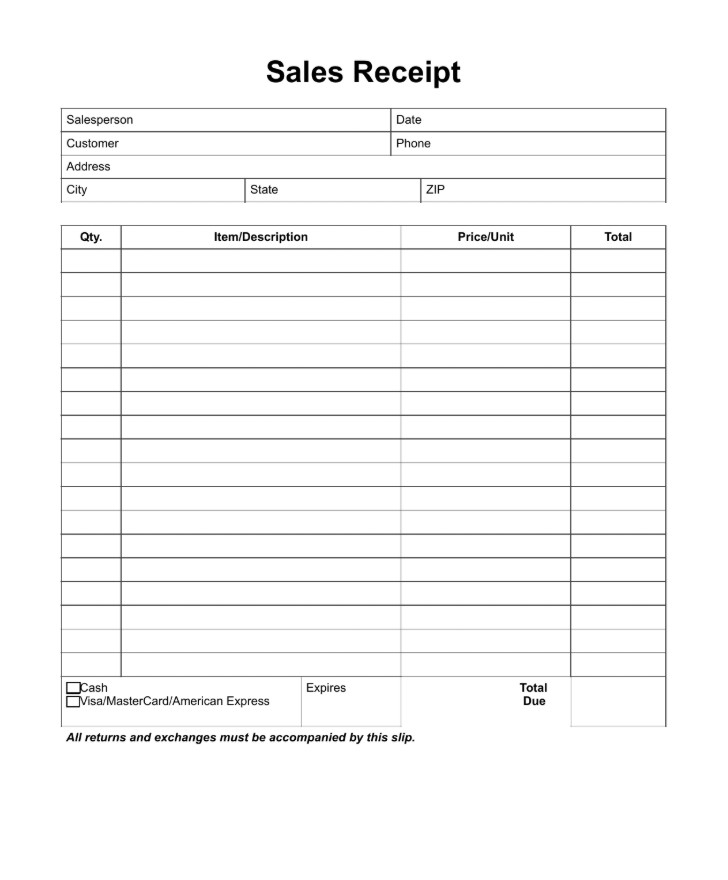
Itemized Receipt vs Regular Receipt
The main difference between an itemized receipt and a regular receipt lies in the level of detail provided. While a regular receipt shows only the total amount paid, an itemized receipt goes a step further by listing each item purchased individually. This breakdown makes it easier for the buyer to understand exactly what they are paying for.
Understanding Total Costs
A regular receipt provides a lump total of the purchase without specifying individual items. While this may be sufficient for some transactions, it can be limiting in terms of understanding the breakdown of costs. On the other hand, an itemized receipt breaks down the total amount into distinct line items, allowing customers to see how much each product or service contributes to the final cost.
Identifying Errors or Overcharges
One of the advantages of itemized receipts is their ability to help customers identify errors or overcharges. With a regular receipt, it can be challenging to pinpoint mistakes in pricing or quantity. However, with an itemized receipt, customers can easily compare the listed prices with their expectations and catch any discrepancies. This level of detail can prevent customers from being overcharged and ensure that they are billed accurately.
Enhanced Understanding of Purchases
By providing a breakdown of each item purchased, itemized receipts offer customers a better understanding of their purchases. Instead of a vague total amount, customers can see exactly what they bought and at what price. This transparency fosters trust between buyers and sellers and promotes informed decision-making. Customers can assess the value of each item and make more conscious spending choices based on the detailed information provided.
Tracking Expenses and Budgeting
Itemized receipts are valuable tools for tracking expenses and budgeting. By keeping a record of each purchase item and its corresponding cost, customers can monitor their spending habits and allocate funds accordingly. This level of detail allows individuals to analyze their expenditures, identify areas where they can cut costs, and set financial goals. Itemized receipts serve as a tangible record of financial transactions that can aid in creating a more effective budgeting strategy.
Resolving Disputes Effectively
In the event of a dispute or disagreement with a seller, itemized receipts can be instrumental in resolving the issue. If there is confusion over the pricing or quantity of items purchased, an itemized receipt provides concrete evidence of the transaction details. Customers can refer to the receipt to clarify any misunderstandings and reach a resolution with the seller. This transparency and accountability help both parties come to a fair and mutually agreeable outcome.
Building Trust and Loyalty
By offering itemized receipts to customers, businesses demonstrate a commitment to transparency and honesty in their dealings. This level of openness builds trust with consumers, showing that the business is willing to provide a clear breakdown of costs. Customers appreciate this transparency and are more likely to return to businesses that prioritize open communication and accurate record-keeping. Itemized receipts contribute to a positive customer experience and can foster long-term loyalty among clientele.
Compliance with Regulations
In certain industries or regions, providing itemized receipts may be a legal requirement. Regulations may mandate that businesses furnish detailed receipts to customers to ensure fair practices and consumer protection. By adhering to these regulations and issuing itemized receipts as necessary, businesses demonstrate their commitment to upholding industry standards and complying with legal guidelines. This compliance not only protects the business from potential penalties but also instills confidence in customers regarding the business’s integrity.
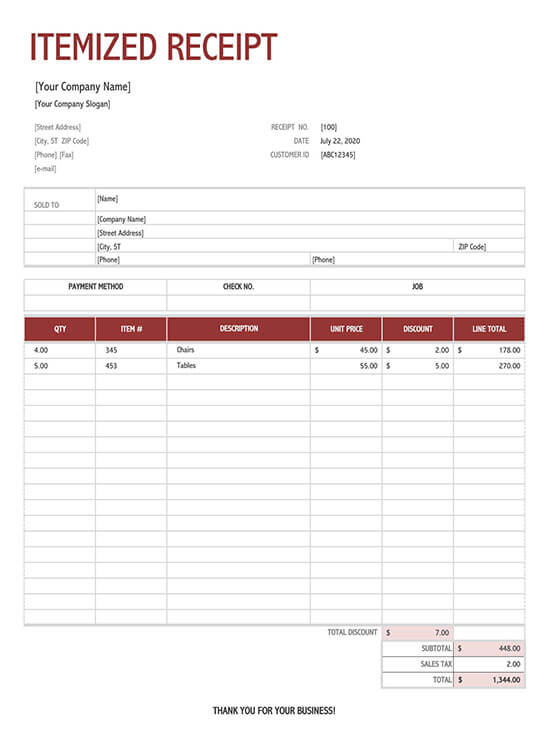
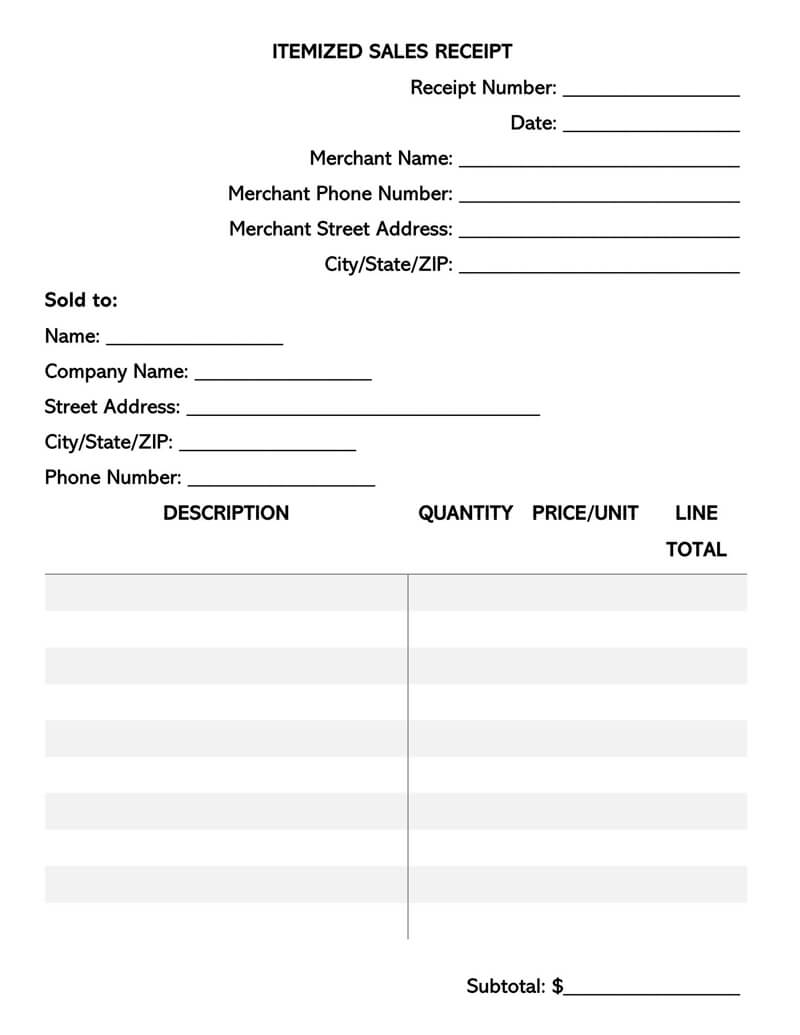
Benefits of Itemized Receipts
There are several benefits to using itemized receipts, both for consumers and businesses.
Enhanced Transparency
Itemized receipts offer enhanced transparency compared to regular receipts by providing a detailed breakdown of each purchase. Customers can see exactly what they are paying for and verify the accuracy of the charges. This transparency fosters trust and confidence in the transaction process, leading to a positive customer experience. By offering itemized receipts, businesses demonstrate a commitment to openness and accountability in their financial transactions.
Accurate Record-Keeping
Itemized receipts serve as accurate records of transactions, detailing each item purchased and its corresponding cost. This level of detail is invaluable for both consumers and businesses in keeping track of expenses and financial records. Customers can refer to itemized receipts to reconcile their purchases, track their spending habits, and budget effectively. For businesses, itemized receipts help maintain organized financial records, analyze sales data, and identify trends in customer purchasing behavior.
Prevention of Disputes
One of the key benefits of itemized receipts is their role in preventing disputes between buyers and sellers. By providing a clear breakdown of each purchase item and its price, itemized receipts reduce the likelihood of misunderstandings or disagreements over pricing. Customers can quickly identify any discrepancies on the receipt and address them with the seller, leading to prompt resolution of any issues. This proactive approach to dispute prevention enhances customer satisfaction and trust in the business.
Improved Financial Planning
Itemized receipts are valuable tools for improving financial planning and decision-making. By having a detailed record of each purchase, customers can assess their spending patterns, identify areas of excessive expenditure, and set realistic financial goals. Itemized receipts enable individuals to make informed choices about their purchases, prioritize essential expenses, and save money effectively. For businesses, itemized receipts provide insights into consumer behavior and preferences, allowing them to tailor their offerings to meet customer needs.
Efficient Tax Reporting
For individuals and businesses alike, itemized receipts play a crucial role in tax reporting. When filing taxes, itemized receipts can serve as supporting documentation for deductions, credits, and expenses incurred throughout the year. By maintaining organized itemized receipts, taxpayers can accurately report their income and claim eligible deductions, ultimately reducing their tax liability. Itemized receipts provide a clear audit trail of transactions, ensuring compliance with tax laws and regulations.
Enhanced Customer Satisfaction
By providing itemized receipts to customers, businesses can enhance customer satisfaction and loyalty. Customers appreciate the transparency and detailed information offered by itemized receipts, which instills confidence in the purchase process. Clear communication and accountability through itemized receipts contribute to a positive shopping experience and encourage repeat business. Customers are more likely to trust businesses that prioritize transparency and provide thorough documentation of their transactions.
Legal Compliance and Protection
In industries where regulations require detailed transaction records, itemized receipts are essential for legal compliance. Businesses must adhere to industry standards and legal guidelines regarding receipt issuance to protect consumers and uphold fair business practices. Itemized receipts serve as proof of purchase, protect consumer rights, and ensure that businesses operate ethically and transparently. By issuing itemized receipts in accordance with legal requirements, businesses demonstrate their commitment to compliance and consumer protection.
Customer Trust and Brand Reputation
Itemized receipts play a significant role in building customer trust and enhancing brand reputation. Transparent and detailed receipts demonstrate a business’s commitment to honesty, accuracy, and customer satisfaction. Customers appreciate the openness and clarity provided by itemized receipts, which reflects positively on the brand. By consistently offering itemized receipts, businesses can establish a reputation for reliability, integrity, and quality service, leading to increased customer trust and loyalty.
Data Analysis and Business Insights
Itemized receipts contain valuable data that can be analyzed to gain insights into customer behavior and preferences. By studying purchasing patterns, businesses can identify popular products, pricing trends, and seasonal fluctuations in sales. This data-driven approach enables businesses to make informed decisions about inventory management, marketing strategies, and product offerings. Itemized receipts serve as a source of valuable information that can be used to optimize operations, improve customer satisfaction, and drive business growth.
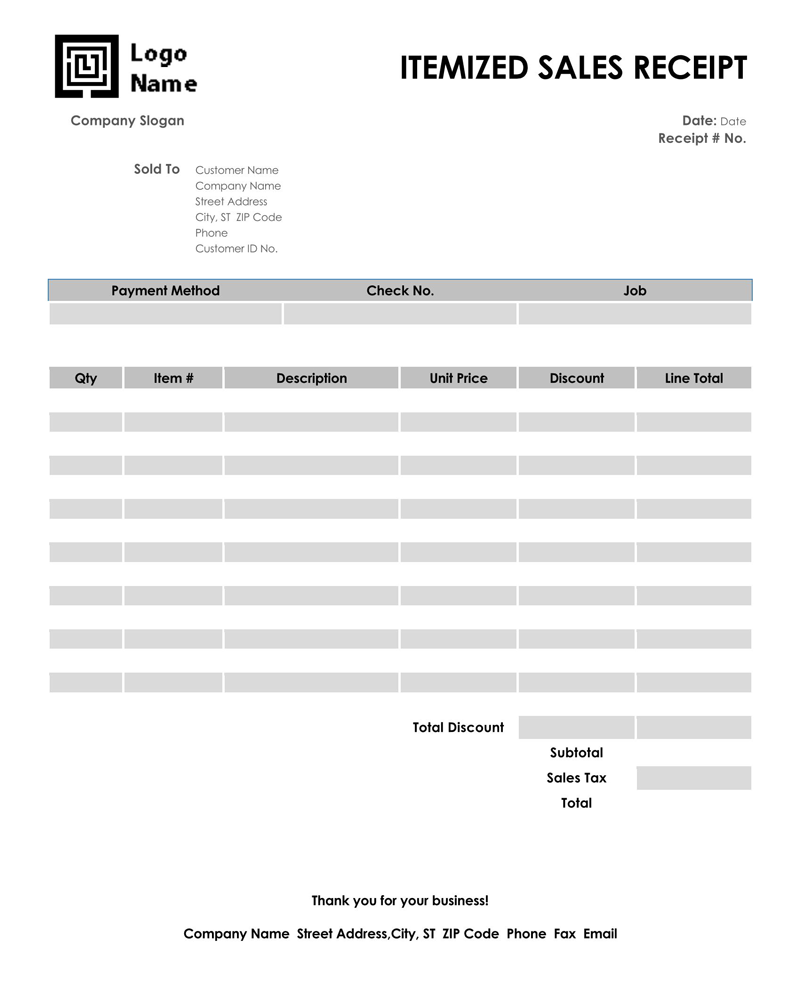
When Are Itemized Receipts Required?
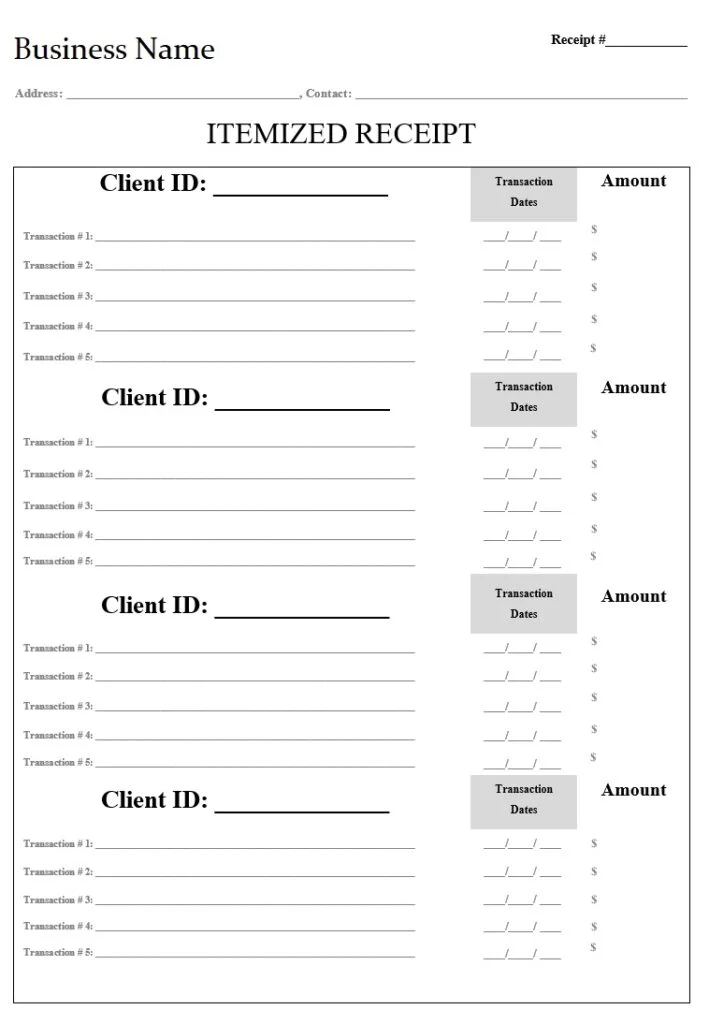
While itemized receipts are not always mandatory, there are certain situations where they may be required to provide a detailed account of a transaction. Understanding when itemized receipts are necessary can help individuals and businesses comply with regulatory requirements and protect their interests.
Expense Reimbursement
In business settings, itemized receipts are often required when seeking reimbursement for expenses incurred on behalf of the company. Employers may request itemized receipts to verify the legitimacy of business-related expenses, such as travel costs, meals, and supplies. By providing detailed receipts that clearly outline the nature and cost of each expense, employees can facilitate the reimbursement process and ensure transparency in financial transactions.
Tax Reporting
For tax purposes, itemized receipts may be necessary to support deductions, credits, and expenses claimed on tax returns. Individuals and businesses must retain itemized receipts for deductible expenses, such as medical costs, charitable contributions, and business expenditures. By maintaining organized records of itemized receipts, taxpayers can substantiate their claims, comply with tax laws, and minimize their tax liability. Itemized receipts play a critical role in accurate tax reporting and financial accountability.
Product Returns and Warranties
When returning a product or filing a warranty claim, itemized receipts are essential for verifying the purchase details and eligibility for a refund or replacement. Retailers typically require customers to present an itemized receipt as proof of purchase when returning merchandise or requesting warranty service. By providing a detailed receipt that lists the product, price, and date of purchase, customers can expedite the return process and ensure a smooth resolution of any issues. Itemized receipts support consumer rights and protect against fraudulent returns.
Contractual Agreements
In contractual agreements or legal disputes, itemized receipts may be required as evidence of a transaction or financial obligation. Parties involved in a contract may need to provide itemized receipts to demonstrate compliance with the terms of the agreement or to resolve disagreements over billing or payment. By retaining detailed receipts that document the specifics of a transaction, individuals and businesses can safeguard their interests and uphold the integrity of their contractual commitments. Itemized receipts serve as valuable documentation in legal proceedings and contractual relationships.
Regulatory Compliance
In certain industries or jurisdictions, regulations may mandate the use of itemized receipts to ensure transparency, fairness, and consumer protection. Businesses operating in regulated sectors, such as healthcare, finance, or retail, may be required to issue itemized receipts to comply with industry standards and legal requirements. By adhering to regulatory guidelines and providing detailed receipts as necessary, businesses demonstrate their commitment to ethical conduct and regulatory compliance. Itemized receipts serve as a safeguard against fraudulent practices and support consumer rights in regulated industries.
How to Implement Itemized Receipts?
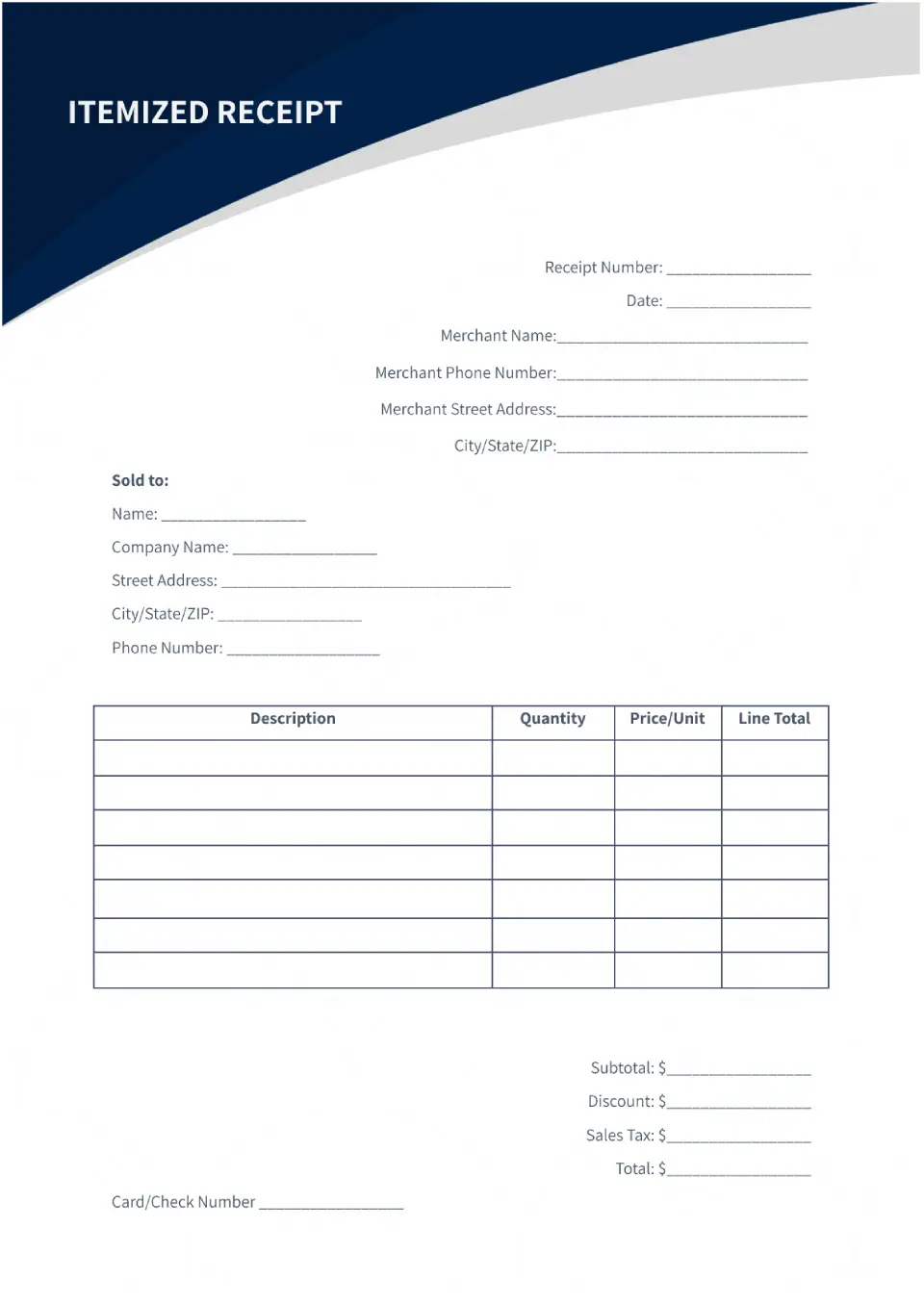
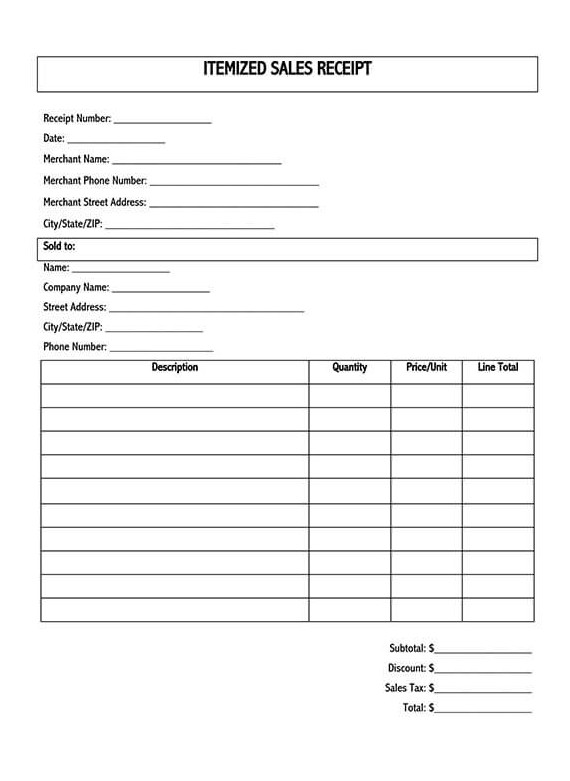
For businesses looking to provide itemized receipts to their customers, there are several ways to implement this practice. One option is to use point-of-sale (POS) systems that automatically generate itemized receipts for each transaction.
This ensures that customers receive detailed receipts without the need for manual calculations. Alternatively, businesses can create custom receipt templates that include sections for listing individual items and prices. By incorporating itemized receipts into their operations, businesses can enhance transparency and build trust with their customers.
