Workplace safety is one of the most important responsibilities of every organization, regardless of industry or company size. From construction sites and manufacturing plants to offices and healthcare facilities, employees face different levels of risk while performing their daily tasks. A single overlooked hazard can lead to injuries, property damage, financial loss, legal complications, and reduced employee morale. This is why businesses across the world rely on structured safety procedures to identify and control workplace risks before accidents happen.
One of the most effective methods for preventing workplace incidents is Job Safety Analysis (JSA). Also known as Job Hazard Analysis (JHA), this proactive process examines every step of a job to identify potential hazards and determine the safest way to complete the task. Rather than reacting after an accident occurs, a job safety analysis helps organizations anticipate risks and implement preventive measures in advance.
In today’s competitive business environment, organizations are expected to maintain high safety standards while improving productivity and operational efficiency. A properly conducted JSA supports both goals. It protects workers from harm while helping companies minimize downtime, reduce compensation claims, improve compliance with safety regulations, and create a culture of accountability and awareness.
This comprehensive article explains everything you need to know about job safety analysis, including what it is, why it matters, how to conduct it effectively, common workplace hazards, implementation strategies, and practical tips for long-term success.
What Is Job Safety Analysis?
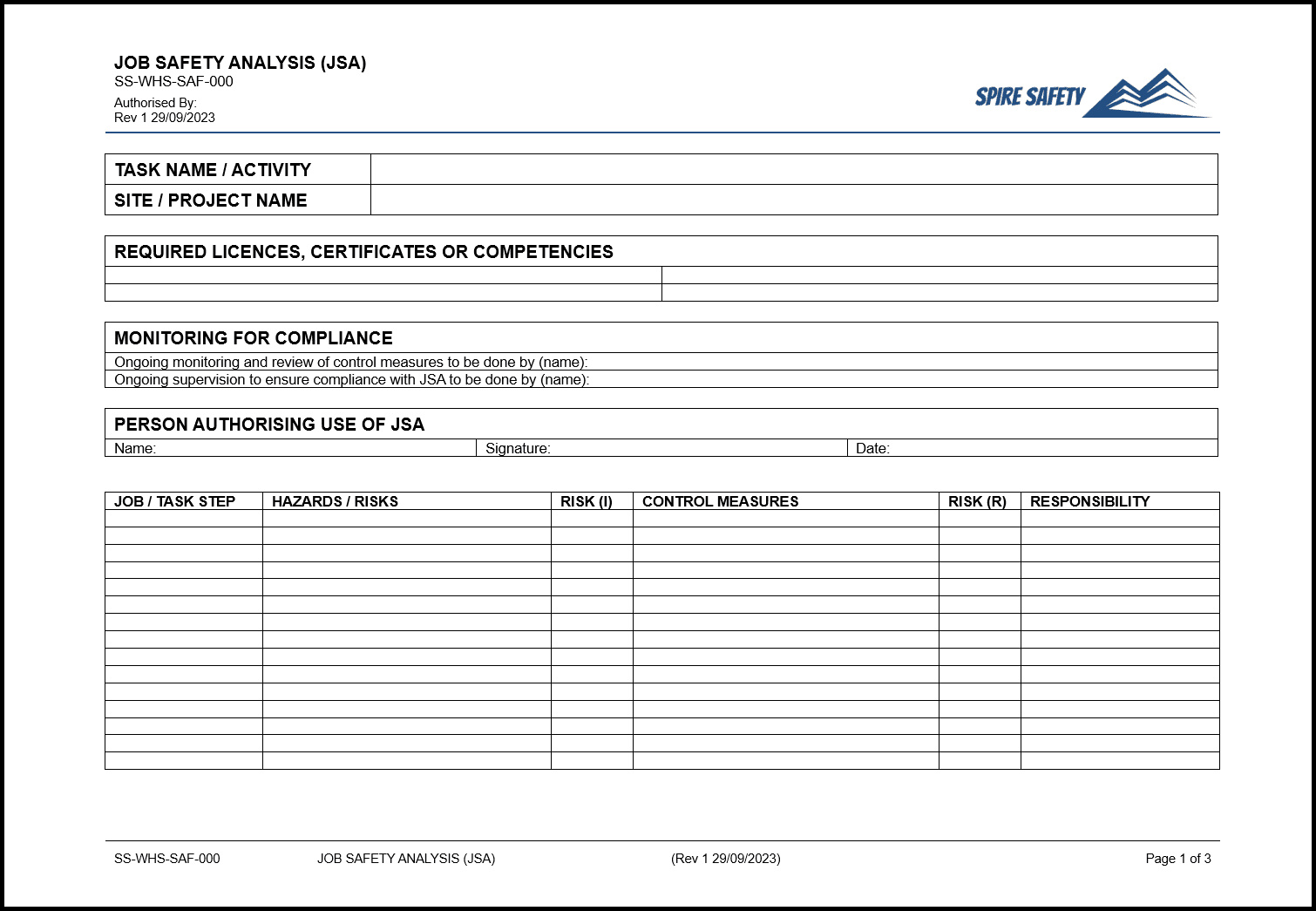
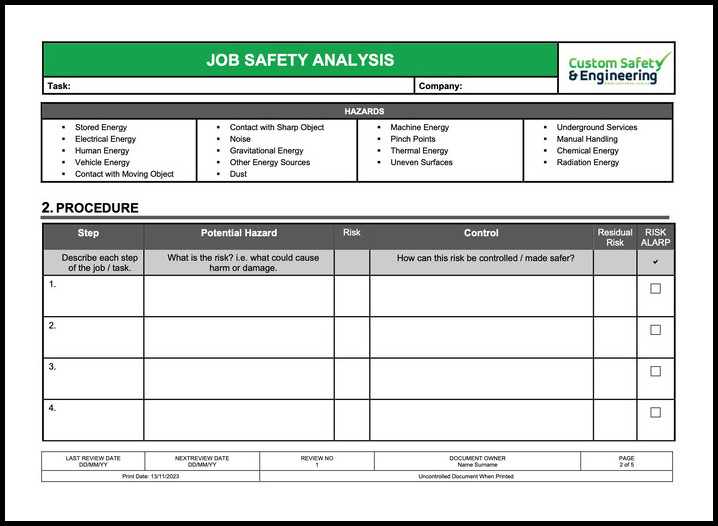
A Job Safety Analysis (JSA) is a systematic process used to examine a specific job or task to identify potential hazards and determine the safest procedures for completing the work. The process involves breaking a task into smaller steps, analyzing each step for possible risks, and implementing controls to eliminate or reduce those risks.
The main objective of a job safety analysis is prevention. Instead of waiting for injuries or accidents to occur, organizations use JSA to identify dangers in advance and develop safer work methods. This approach allows employers and workers to work together to improve workplace safety while maintaining operational efficiency.
Job safety analysis is widely used in industries where employees perform high-risk activities, such as:
- Construction
- Manufacturing
- Oil and gas
- Mining
- Warehousing and logistics
- Healthcare
- Utilities and energy
- Transportation
However, JSA is not limited to hazardous industries alone. Even office environments can benefit from safety analysis procedures to address ergonomic risks, electrical hazards, and emergency preparedness.
The process typically includes the following elements:
- Identifying the job or task
- Breaking the job into individual steps
- Recognizing potential hazards for each step
- Determining preventive safety controls
- Documenting safe operating procedures
- Reviewing and updating the analysis regularly
For example, consider a maintenance worker repairing industrial equipment. The task may involve shutting down machinery, using tools, handling electrical systems, and testing the equipment after repairs. Each stage carries different risks, including electric shock, falling objects, equipment startup hazards, and cuts from sharp components. Through a job safety analysis, these hazards are identified and addressed with appropriate control measures such as lockout/tagout procedures, personal protective equipment (PPE), and worker training.
Organizations that implement effective JSAs often experience improved communication between supervisors and workers. Employees become more aware of hazards, safer work habits develop naturally, and management gains better insight into operational risks.
Ultimately, a job safety analysis creates a structured framework for identifying workplace dangers and establishing safer work procedures before incidents occur.
Why Job Safety Analysis Is Important in the Workplace?
Workplace accidents can have devastating consequences for employees and businesses alike. Injuries can result in lost productivity, medical expenses, damaged equipment, regulatory penalties, and emotional stress for workers and their families. Many workplace incidents occur because hazards were not identified or proper procedures were not followed.
A job safety analysis plays a critical role in reducing these risks by helping organizations proactively identify dangers and implement preventive measures. Rather than treating safety as a secondary concern, JSA integrates safety into every stage of the work process.
One of the biggest advantages of job safety analysis is accident prevention. By examining tasks carefully, organizations can recognize hazards that might otherwise go unnoticed. These hazards may include mechanical risks, exposure to chemicals, slips and falls, repetitive motion injuries, electrical hazards, or unsafe work practices.
Another important benefit is regulatory compliance. Occupational safety regulations often require employers to identify and control workplace hazards. Conducting JSAs demonstrates a company’s commitment to maintaining safe working conditions and meeting legal obligations.
Job safety analysis also improves employee involvement. Workers who participate in the process often provide valuable insights because they perform the tasks daily and understand the practical challenges involved. This collaborative approach encourages a stronger safety culture and increases employee engagement.
Additional benefits of implementing a job safety analysis include:
- Reduced workplace injuries and illnesses
- Lower workers’ compensation costs
- Improved employee morale and confidence
- Better operational efficiency
- Reduced equipment damage
- Enhanced communication between management and workers
- Improved training procedures
- Reduced downtime and production interruptions
Companies that prioritize workplace safety often gain a positive reputation among employees, customers, and business partners. Workers are more likely to remain loyal to organizations that demonstrate genuine concern for their health and well-being.
Moreover, safety incidents can severely affect business continuity. A major accident may stop operations, trigger investigations, damage public trust, and increase insurance costs. Preventive tools such as JSA help organizations avoid these disruptions while supporting long-term sustainability.
In many cases, a job safety analysis also improves productivity. Safe procedures often lead to more organized workflows, better equipment handling, and clearer task instructions. Employees can perform their jobs with greater confidence and fewer interruptions caused by accidents or unsafe conditions.
As workplace environments become more complex, the importance of job safety analysis continues to grow. Organizations that invest in safety planning today are better prepared to protect their workforce and maintain stable operations in the future.
How to Conduct a Job Safety Analysis
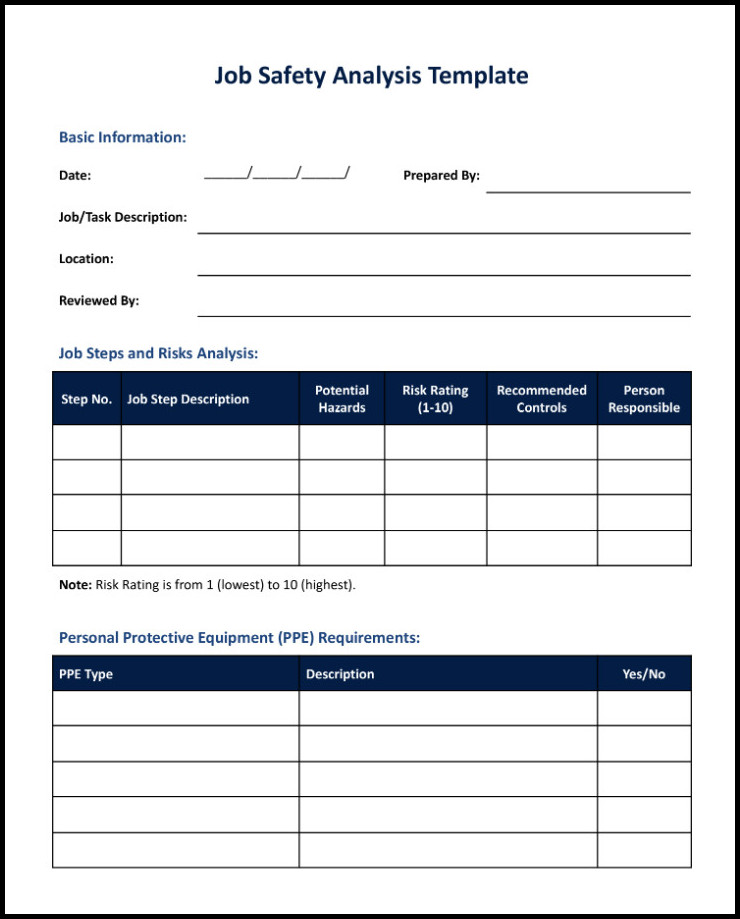
Conducting a job safety analysis requires careful planning, employee involvement, and a structured approach. The process should focus on identifying hazards before incidents occur and developing practical control measures that workers can realistically follow.
The first step is selecting the job to be analyzed. Organizations should prioritize tasks with high injury rates, complex procedures, new equipment, or a history of accidents and near misses. Jobs involving hazardous chemicals, heavy machinery, confined spaces, or working at heights should receive immediate attention.
After selecting the task, the job must be broken down into individual steps. Each step should describe a specific action in the order it is performed. It is important to avoid making the steps too broad or too detailed. The goal is to create a clear sequence that accurately represents the work process.
For example, a forklift operation task may include:
- Inspecting the forklift
- Starting the equipment
- Transporting materials
- Loading or unloading cargo
- Parking and shutting down the forklift
Once the task steps are identified, the next stage involves analyzing hazards associated with each step. Hazards may include physical dangers, chemical exposure, environmental conditions, ergonomic issues, or human error.
Common questions during hazard identification include:
- Can the worker be struck by an object?
- Is there a risk of falling?
- Can the worker be exposed to harmful substances?
- Could an equipment malfunction occur?
- Are there ergonomic concerns?
- Could environmental conditions create danger?
After hazards are identified, appropriate control measures must be established. Safety controls should follow the hierarchy of controls whenever possible. This approach prioritizes eliminating hazards before relying solely on protective equipment.
Examples of control measures include:
- Replacing dangerous equipment with safer alternatives
- Installing machine guards
- Implementing lockout/tagout procedures
- Providing worker training
- Improving ventilation systems
- Using warning signs and barriers
- Requiring personal protective equipment
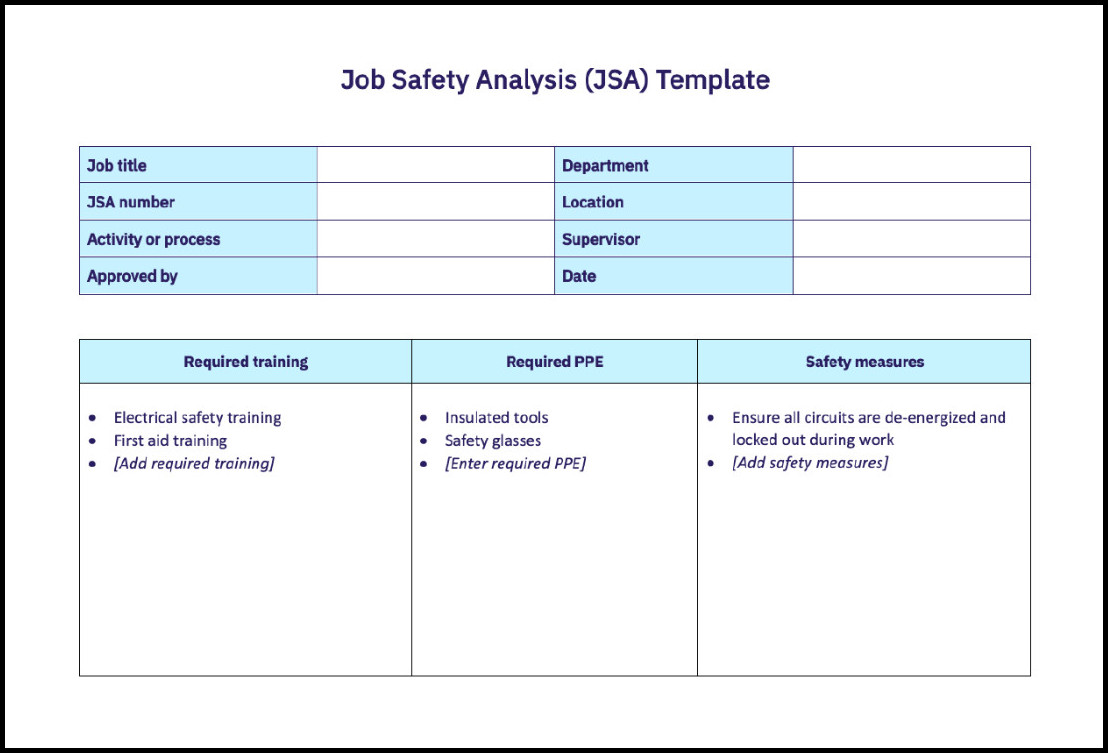
The final step involves documenting the entire analysis and communicating the findings to workers. Employees should receive proper training on safe procedures and understand how to apply safety controls during daily operations.
Job safety analysis should not be treated as a one-time activity. Workplace conditions, equipment, and procedures can change over time. Organizations should review and update JSAs regularly to ensure they remain accurate and effective.
How Job Safety Analysis Improves Workplace Safety Culture
A strong workplace safety culture does not develop automatically. It requires consistent leadership, employee participation, clear communication, and ongoing commitment to safety improvement. Job safety analysis contributes significantly to building and maintaining this culture.
One of the most important ways JSA strengthens safety culture is by increasing hazard awareness. Workers who participate in safety analysis become more conscious of potential dangers and learn how to recognize unsafe conditions before accidents happen.
When employees actively contribute to identifying hazards and developing safe procedures, they feel more responsible for workplace safety outcomes. This sense of ownership encourages safer behavior and greater accountability.
Job safety analysis also improves communication throughout the organization. Supervisors, safety managers, and frontline workers collaborate to discuss risks, operational challenges, and practical safety solutions. This open communication helps eliminate misunderstandings and ensures safety expectations are clearly understood.
Another important benefit is consistency. Standardized safe work procedures reduce confusion and ensure employees follow the same safety protocols across departments and shifts. This consistency becomes especially valuable when training new employees or temporary workers.
Organizations with strong safety cultures often experience:
- Higher employee engagement
- Lower accident rates
- Improved teamwork
- Greater trust between workers and management
- Reduced absenteeism
- Better operational performance
Leadership support is essential for successful JSA implementation. Managers and supervisors must demonstrate commitment by participating in safety activities, allocating resources, and encouraging employee feedback.
Safety culture also depends on continuous improvement. Companies should encourage workers to report hazards, near misses, and unsafe conditions without fear of punishment. Lessons learned from incidents and observations should be incorporated into updated JSAs and training programs.
Training plays a major role as well. Employees must understand not only what safety procedures to follow but also why those procedures exist. Workers who understand the reasoning behind safety controls are more likely to comply consistently.
Ultimately, job safety analysis helps organizations move from a reactive safety approach to a proactive one. Instead of responding to accidents after they occur, companies focus on preventing hazards before injuries happen. This proactive mindset is the foundation of a successful workplace safety culture.
Common Hazards Identified Through Job Safety Analysis
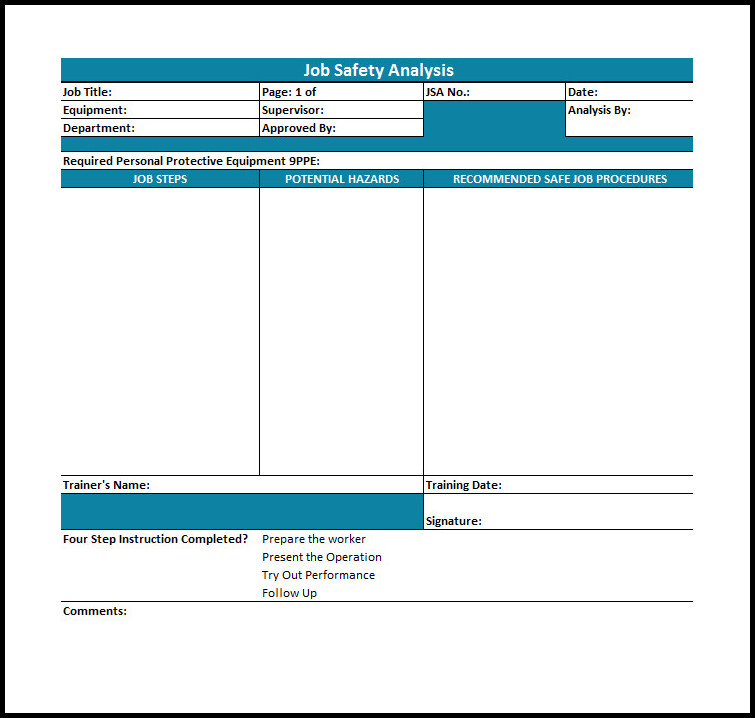
Every workplace contains hazards that can potentially cause injury, illness, or property damage. One of the main purposes of a job safety analysis is to identify these hazards systematically so organizations can implement effective preventive measures.
Hazards vary depending on industry, equipment, work environment, and job tasks. Some risks are obvious and easy to recognize, while others develop gradually over time and may be overlooked without careful analysis.
1. Physical Hazards
Physical hazards are among the most common workplace risks. These hazards may involve machinery, noise, temperature extremes, vibration, slips, trips, and falls. Workers in construction, manufacturing, and warehousing environments are especially vulnerable to physical injuries.
2. Chemical Hazards
Chemical exposure can occur through inhalation, skin contact, or accidental ingestion. Employees working with solvents, cleaning agents, gases, and industrial chemicals may face serious health risks if proper controls are not implemented.
3. Biological Hazards
Healthcare workers, laboratory personnel, and sanitation employees may encounter biological hazards such as bacteria, viruses, mold, or contaminated materials. Proper hygiene and protective equipment are essential for reducing exposure.
4. Ergonomic Hazards
Ergonomic risks develop when work tasks place excessive strain on the body. Repetitive motions, poor posture, heavy lifting, and awkward movements can lead to musculoskeletal disorders and long-term injuries.
5. Electrical Hazards
Electrical systems can cause shocks, burns, fires, and explosions if equipment is damaged or improperly maintained. Lockout/tagout procedures are critical for protecting workers during maintenance activities.
6. Environmental Hazards
Environmental hazards include poor lighting, inadequate ventilation, extreme weather conditions, and confined spaces. These factors can increase the likelihood of accidents and negatively affect worker health.
7. Mechanical Hazards
Machines with moving parts can create crushing, cutting, entanglement, and impact hazards. Proper machine guarding and maintenance procedures help reduce these risks.
8. Human Factors
Fatigue, stress, lack of training, distraction, and poor communication can contribute to workplace incidents. Human factors are often overlooked but play a major role in many accidents.
Identifying these hazards through job safety analysis allows organizations to develop targeted safety controls that reduce risk and improve workplace conditions for all employees.
Tips for Successful Job Safety Analysis Implementation
Implementing a job safety analysis program successfully requires more than simply filling out forms. Organizations must create a practical and sustainable process that integrates safety into daily operations.
One of the most important strategies is involving employees throughout the process. Workers who perform the tasks regularly often have valuable knowledge about hidden hazards and operational challenges.
Management support is equally important. Leadership should provide adequate resources, training, and time for safety activities. Employees are more likely to take safety seriously when management demonstrates a visible commitment.
Organizations should also ensure that JSAs are easy to understand and accessible to all workers. Complicated or overly technical documents may discourage employee participation and reduce effectiveness.
- Prioritize High-Risk Tasks. Begin with jobs that have the highest injury rates or involve hazardous activities. Addressing major risks first can significantly improve workplace safety.
- Keep Procedures Clear. Use simple language and step-by-step instructions that workers can easily follow during daily operations.
- Provide Ongoing Training. Regular training sessions help employees stay informed about safety procedures, hazard recognition, and emergency response.
- Review and Update JSAs Regularly. Workplace conditions and equipment can change over time. Periodic reviews ensure safety analyses remain accurate and relevant.
- Encourage Worker Feedback. Employees should feel comfortable reporting hazards, near misses, and suggestions for improvement without fear of punishment.
- Monitor Compliance. Supervisors should observe work practices regularly to ensure safety procedures are consistently followed.
Technology can also improve JSA implementation. Digital safety management systems allow organizations to document analyses, track corrective actions, and share safety information more efficiently.
Another valuable strategy is integrating JSA into onboarding and orientation programs. New employees should learn safe procedures before performing tasks independently.
Organizations should remember that job safety analysis is an ongoing process rather than a one-time project. Continuous improvement, employee involvement, and leadership commitment are essential for maintaining long-term success.
Conclusion
Job safety analysis is one of the most effective tools for preventing workplace injuries and creating safer working environments. By systematically examining job tasks, identifying hazards, and implementing preventive controls, organizations can reduce accidents, improve compliance, and strengthen overall operational performance.
A successful JSA program requires active participation from both management and employees. Workers must be properly trained, encouraged to communicate openly about hazards, and supported through clear safety procedures. Leadership must provide the necessary resources, supervision, and commitment to ensure safety remains a core organizational value.
In modern workplaces, safety is not simply a legal obligation. It is a critical component of productivity, employee well-being, and business sustainability. Companies that invest in proactive safety measures often experience lower injury rates, stronger employee morale, and improved operational efficiency.
As industries continue to evolve and workplace risks become more complex, the importance of job safety analysis will continue to grow. Organizations that prioritize hazard identification and preventive action today will be better prepared to protect their workforce and maintain long-term success in the future.
