Lab reports are a fundamental aspect of scientific research, serving as a crucial tool for researchers to communicate their findings to the wider scientific community. These reports provide a detailed and organized account of an experiment, outlining the methodology, results, and conclusions in a clear and reproducible manner. By adhering to a specific structure, lab reports enable others to understand, replicate, and verify the experiment’s findings.
In this article, we will explore the significance of lab reports in scientific communication and provide a comprehensive guide on how to write an effective and informative lab report.
What Is A Lab Report?
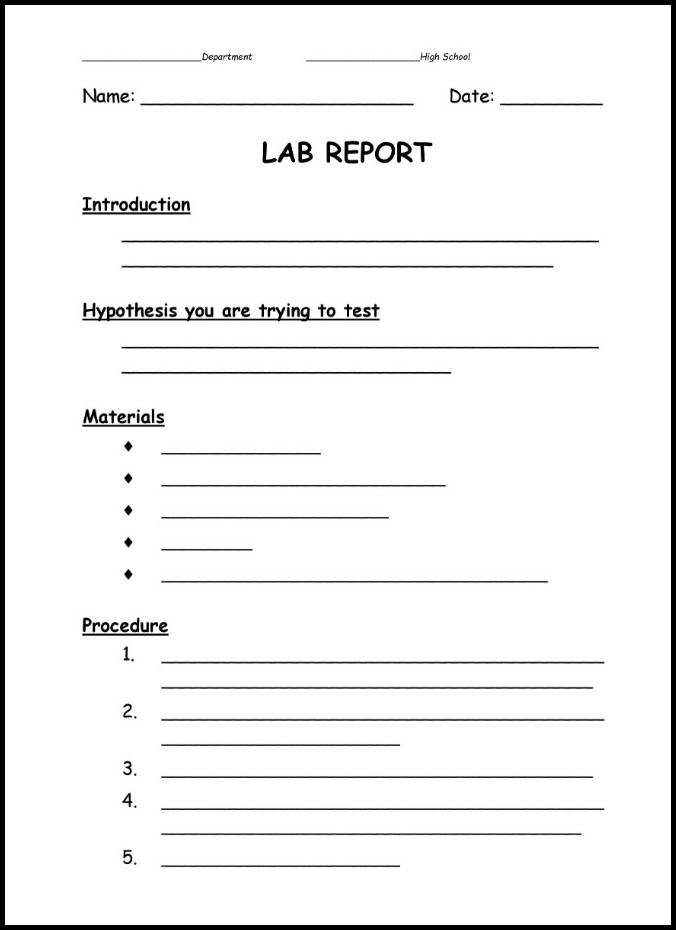
A lab report is a comprehensive document that documents the details of a scientific experiment. It serves as a formal record of the experiment’s procedures, data, and outcomes, allowing other researchers to assess and replicate the study.
Lab reports are commonly used in academic settings, research institutions, and scientific publications to present the results of a study in a standardized format.
The Purpose of Lab Reports
The primary purpose of a lab report is to communicate the findings of a scientific experiment in a clear and structured manner. By providing a detailed account of the methodology, results, and conclusions, lab reports enable researchers to share their work with the scientific community and contribute to the body of knowledge in their field. Additionally, lab reports allow others to evaluate the validity and reliability of the experiment’s results and potentially build upon the research in future studies.
The Structure of a Lab Report
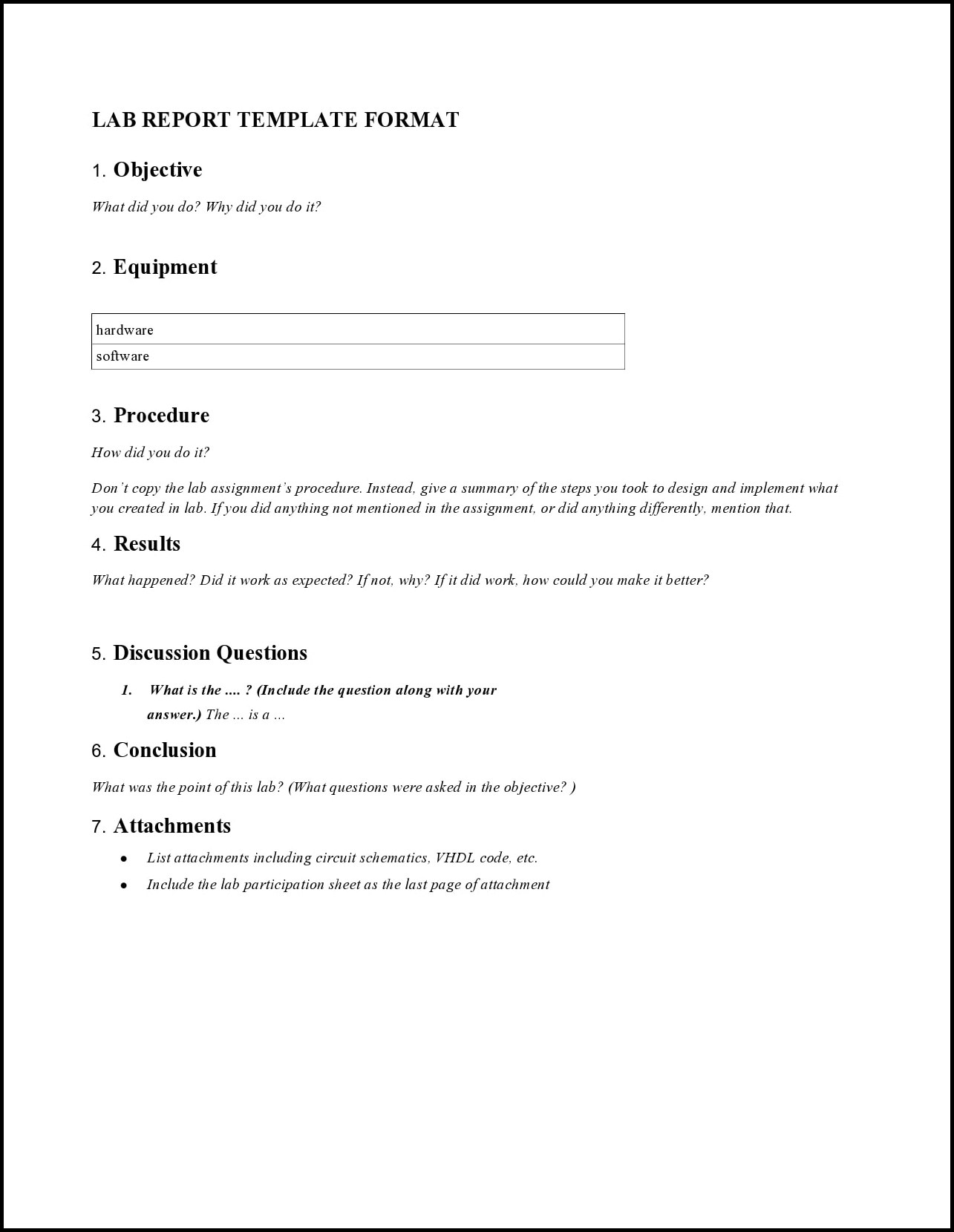
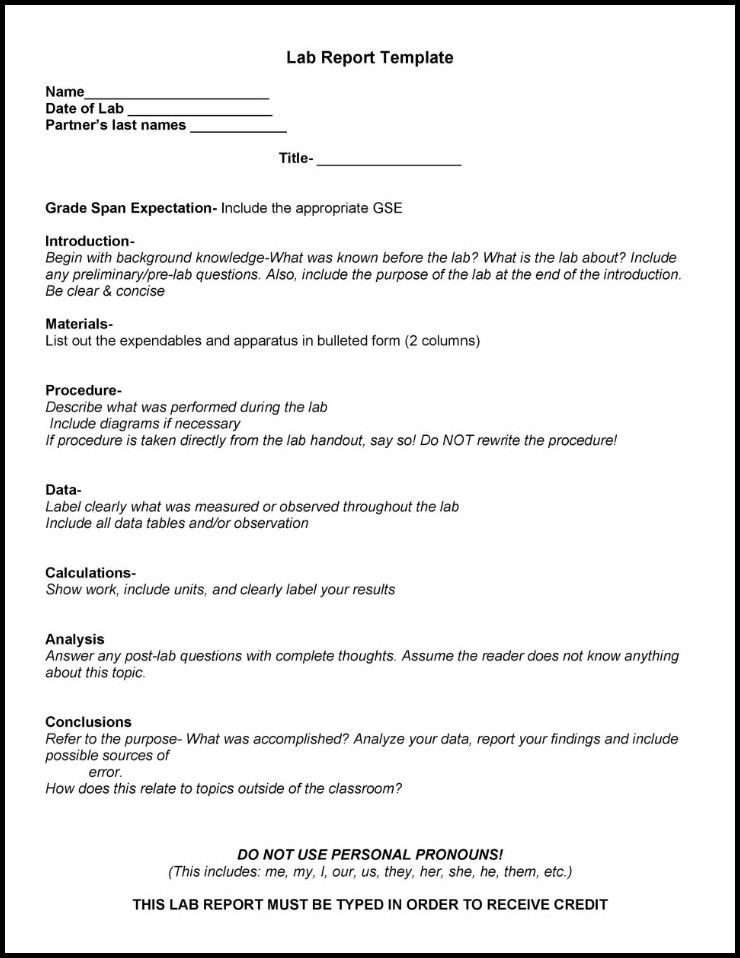
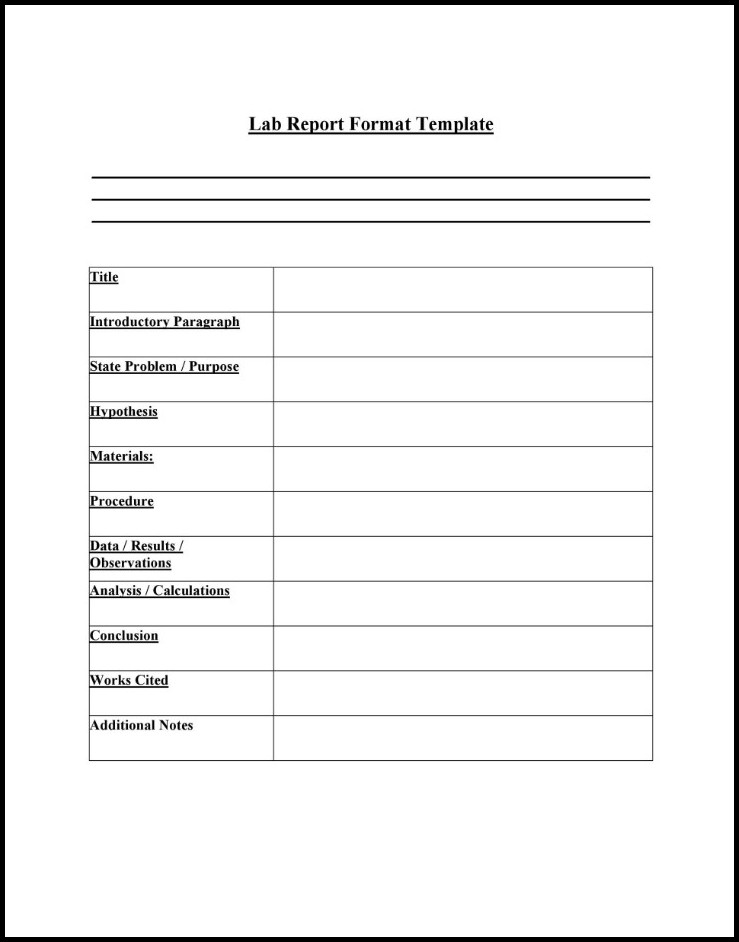
Lab reports typically follow a specific structure to ensure that the information is presented in a logical and organized manner. The key sections of a lab report include an introduction, materials and methods, results, discussion, and conclusion. Each section plays a critical role in conveying the experiment’s purpose, procedures, outcomes, and implications, providing a comprehensive overview of the research.
Components of a Lab Report
Each section of a lab report contains specific components that contribute to the overall clarity and coherence of the document. The introduction provides background information on the research question and outlines the objectives of the experiment. The materials and methods section describes the procedures and techniques used in the study, ensuring that the experiment can be replicated by others. The results section presents the data collected during the experiment, often in the form of tables, figures, or graphs. The discussion section interprets the results, analyzes their significance, and explores the broader implications of the findings. Finally, the conclusion summarizes the key findings of the experiment and highlights any important insights or recommendations for future research.
How To Write A Lab Report
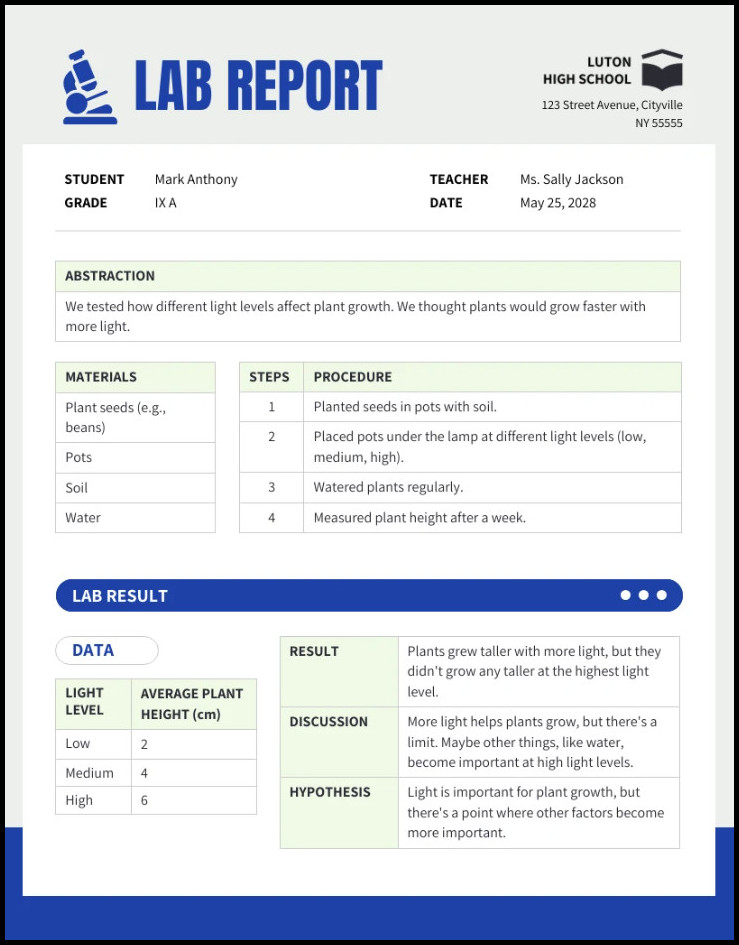
Writing a lab report may seem like a daunting task, but by following a step-by-step guide, researchers can effectively communicate their scientific research. The following detailed guide outlines the essential steps to consider when writing a lab report:
Understanding the Experiment
Before beginning to write a lab report, it is crucial to have a thorough understanding of the experiment’s purpose, procedures, and outcomes. Researchers should familiarize themselves with the research question, objectives, and variables involved in the study to ensure that the report accurately reflects the experiment.
Choosing a Title
The title of a lab report should be concise yet descriptive, capturing the essence of the experiment and its primary focus. A well-chosen title can provide readers with a clear indication of the study’s subject matter and attract interest in the research findings. Researchers should carefully consider the title of their lab report to ensure that it accurately represents the content of the document.
Writing the Introduction
The introduction of a lab report serves as a roadmap for the reader, providing essential background information on the research question, objectives, and significance of the study. Researchers should clearly state the purpose of the experiment, the hypothesis being tested, and any relevant theoretical concepts or previous research that informed the study. The introduction sets the stage for the rest of the lab report, guiding readers through the rationale and context of the experiment.
Detailing Materials and Methods
The materials and methods section of a lab report outlines the procedures, equipment, and techniques used in the experiment. Researchers should provide sufficient detail to enable others to replicate the study accurately. This section should include a step-by-step description of the experimental procedures, including any variables, controls, or measurements taken during the study. Clarity and precision are essential in this section to ensure the reproducibility of the experiment.
Presenting Results
The results section of a lab report presents the data collected during the experiment in an organized and structured format. Researchers should use tables, figures, and graphs to display the results clearly, making it easier for readers to interpret the findings. It is essential to label all figures and tables accurately and provide detailed explanations of the data presented. Researchers should avoid interpreting the results in this section and focus on presenting the raw data objectively.
Interpreting and Discussing Results
In the discussion section of a lab report, researchers have the opportunity to interpret the results, analyze their significance, and discuss the implications of the findings. This section should not only summarize the data but also provide a critical analysis of the results in the context of the research question. Researchers should consider any limitations of the study, potential sources of error, and alternative explanations for the results. Additionally, researchers should compare their findings to previous research and discuss how the results contribute to the existing body of knowledge in the field.
Formulating Conclusions
The conclusion of a lab report summarizes the key findings of the experiment and highlights the main takeaways for the reader. Researchers should reiterate the research question, state whether the hypothesis was supported or rejected, and provide a concise summary of the results. The conclusion should also address any implications of the findings, suggest areas for further research, and reflect on the overall significance of the study. A well-crafted conclusion ties together the various sections of the lab report and leaves the reader with a clear understanding of the experiment’s outcomes.
Revising and Editing
Before finalizing a lab report, researchers should carefully review and revise the document to ensure accuracy, clarity, and coherence. It is essential to check for any grammatical errors, typos, or inconsistencies in the writing. Researchers should also verify that all sections of the lab report follow a logical sequence and adhere to the required format. Seeking feedback from peers or mentors can help identify any areas that may need clarification or improvement. By revising and editing the lab report thoroughly, researchers can enhance the quality and readability of the document.
Citing Sources
When writing a lab report, researchers must cite any references or sources used in the study to acknowledge the original authors and provide context for the research. Proper citation helps to give credit to previous research and allows readers to locate the sources for further information. Researchers should follow a specific citation style, such as APA, MLA, or Chicago, and ensure that all citations are formatted correctly throughout the lab report. By citing sources accurately, researchers uphold academic integrity and demonstrate their engagement with existing literature in the field.
Formatting and Style
In addition to content, formatting and style are essential aspects of a lab report that contribute to its clarity and professionalism. Researchers should follow any specific guidelines or requirements provided by their institution or publication when formatting the document. This includes using a consistent font size and style, maintaining proper margins and spacing, and organizing the content into clear sections. Additionally, researchers should consider the tone and style of their writing, aiming for a formal and objective voice that communicates the information clearly and concisely. By paying attention to formatting and style, researchers can ensure that their lab report is visually appealing and easy to read.
Submitting the Lab Report
Once the lab report is complete and thoroughly reviewed, researchers can submit it for publication, evaluation, or assessment. It is essential to follow any specific submission guidelines provided by the intended recipient, such as a journal editor, academic instructor, or research supervisor. Researchers should ensure that the lab report meets all necessary requirements, including word count, formatting, and citation style. By submitting the lab report according to the appropriate guidelines, researchers can increase the likelihood of acceptance and dissemination of their research.
Receiving Feedback
After submitting a lab report, researchers may receive feedback from reviewers, peers, or instructors on the quality and content of the document. Feedback can provide valuable insights into areas for improvement, clarification, or further development. Researchers should consider feedback constructively and use it to revise and enhance the lab report before resubmitting or presenting it. By incorporating feedback from others, researchers can strengthen the effectiveness and impact of their scientific communication.
Continuing the Research
Writing a lab report is just one step in the scientific research process. After completing a study and documenting the findings in a lab report, researchers may continue to build upon their research through further experimentation, analysis, or collaboration. The results of a study presented in a lab report can inform future research questions, hypotheses, and investigations in the field. By continuing the research process, researchers can contribute new knowledge, insights, and advancements to their field of study.
Conclusion
In conclusion, lab reports play a crucial role in scientific communication by providing a structured and detailed account of an experiment’s methodology, results, and conclusions. By following a specific format and including key elements such as an introduction, materials and methods, results, discussion, and conclusion, researchers can effectively convey their findings to the scientific community. Writing a lab report requires careful attention to detail, organization, and clarity to ensure that the information is comprehensible and reproducible. By following a step-by-step guide and adhering to specific guidelines, researchers can create informative and impactful lab reports that contribute to the advancement of scientific knowledge.
