When it comes to running a business, maintaining trust and transparency with your clients is crucial. One way to achieve this is by providing itemized invoices that offer a detailed breakdown of all charges for goods or services rendered. This level of detail not only increases transparency but also helps to build trust between a business and its clients.
In this article, we will explore the importance of itemized invoices and how they can benefit both parties involved.
What is an Itemized Invoice?
An itemized invoice is a document that provides a detailed breakdown of all charges for goods or services provided by a business. It includes a list of each item or service rendered, along with the corresponding cost for each. This level of detail helps to ensure transparency and clarity in the billing process, making it easier for clients to understand what they are being charged for.
Why Use Itemized Invoices?
There are several reasons why businesses should consider using itemized invoices:
Transparency
Transparency is vital in any business transaction. By providing itemized invoices, businesses show a commitment to being open and honest about their pricing and billing practices. This transparency helps to build trust with clients and fosters long-lasting relationships.
Building Trust Through Detailed Invoices
When businesses provide itemized invoices, they are demonstrating a level of professionalism and attention to detail that can help build trust with their clients. Clients are more likely to feel confident in the services or products they are paying for when they can see a clear breakdown of all charges.
Minimizing Customer Confusion
Confusion over billing can lead to frustration and distrust between businesses and their clients. Itemized invoices help to minimize confusion by clearly stating the charges for each item or service provided. This clarity eliminates any ambiguity and ensures that clients know exactly what they are paying for.
Reducing Payment Disputes
Payment disputes can be time-consuming and damaging to business relationships. By providing detailed invoices, businesses can reduce the likelihood of disputes arising. Clients are less likely to question charges when they can easily see a breakdown of all costs.
Simplifying the Reimbursement Process
For clients who need to seek reimbursement for expenses, itemized invoices are essential. By clearly outlining the charges for each item or service, clients can easily identify which expenses are eligible for reimbursement. This simplifies the reimbursement process and helps clients get the money they are owed more quickly.
What to Include in an Itemized Invoice?
When creating an itemized invoice, it is important to include the following details:
Business and Client Information
When creating an itemized invoice, it is essential to include accurate business and client information. This ensures that the invoice is clear and easy to understand for both parties. Including contact details also allows for easy communication in case of any questions or issues.
Assigning an Invoice Number and Date
Assigning a unique invoice number and including the date of issue helps to keep your invoicing system organized. This information is crucial for tracking payments and maintaining a clear record of transactions. Clients can also refer to the invoice number when making payments or inquiries.
Detailing Goods or Services Rendered
Providing a detailed description of each item or service rendered is key to creating an itemized invoice. Clients should be able to easily identify what they are being charged for and understand the value they are receiving. This level of detail also helps build trust and credibility with clients.
Listing Quantity and Unit Price
Including the quantity of each item or service provided and the corresponding unit price helps clients understand how the total amount due is calculated. This transparency in pricing ensures that clients are billed accurately and can see the breakdown of costs for each item or service they receive.
Calculating the Total Amount Due
The total amount due on an itemized invoice should be calculated accurately by summing up all charges for goods or services provided. This final amount is what the client is expected to pay and should be clearly stated on the invoice. Providing a breakdown of costs helps clients see the value they are receiving for their money.
Examples
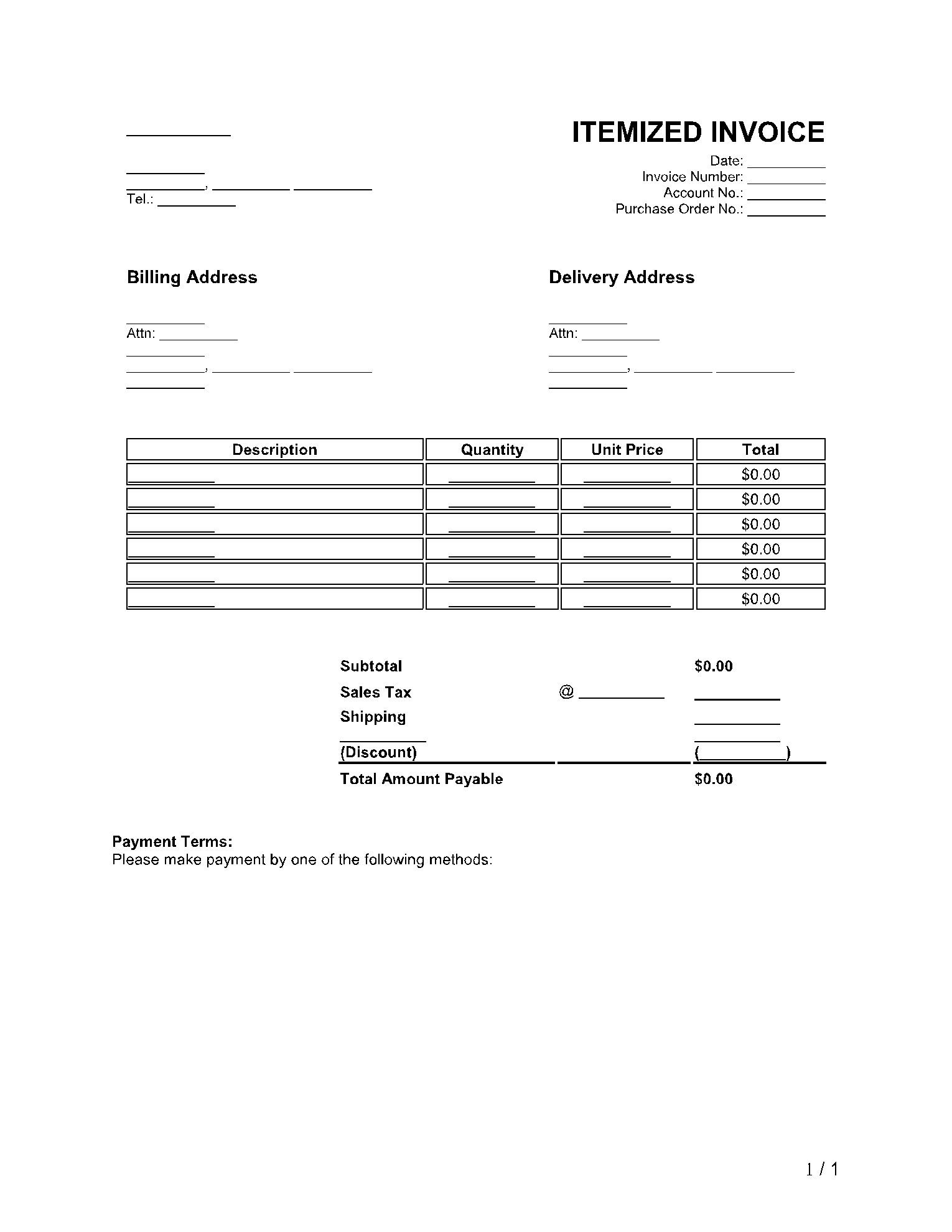
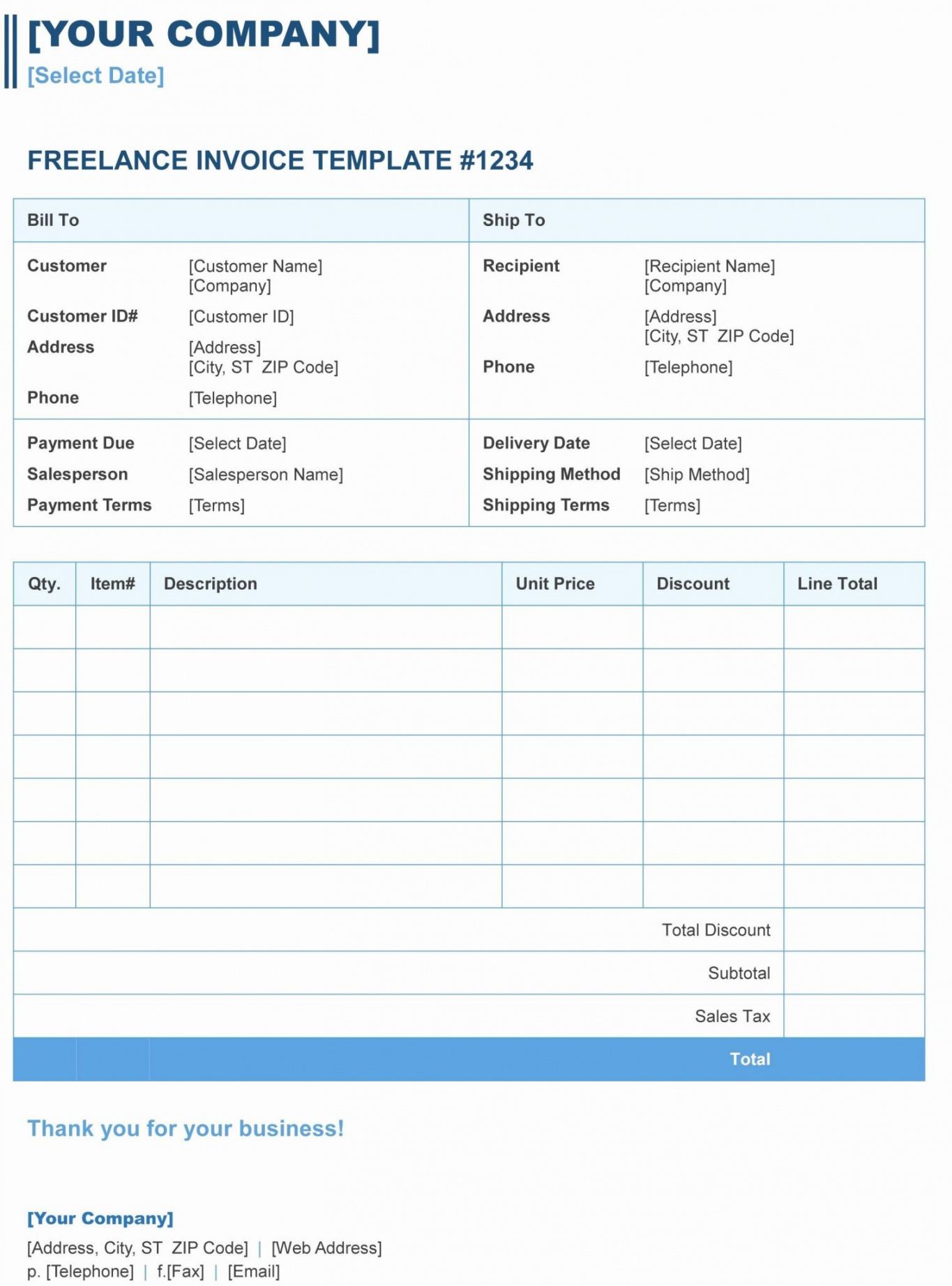
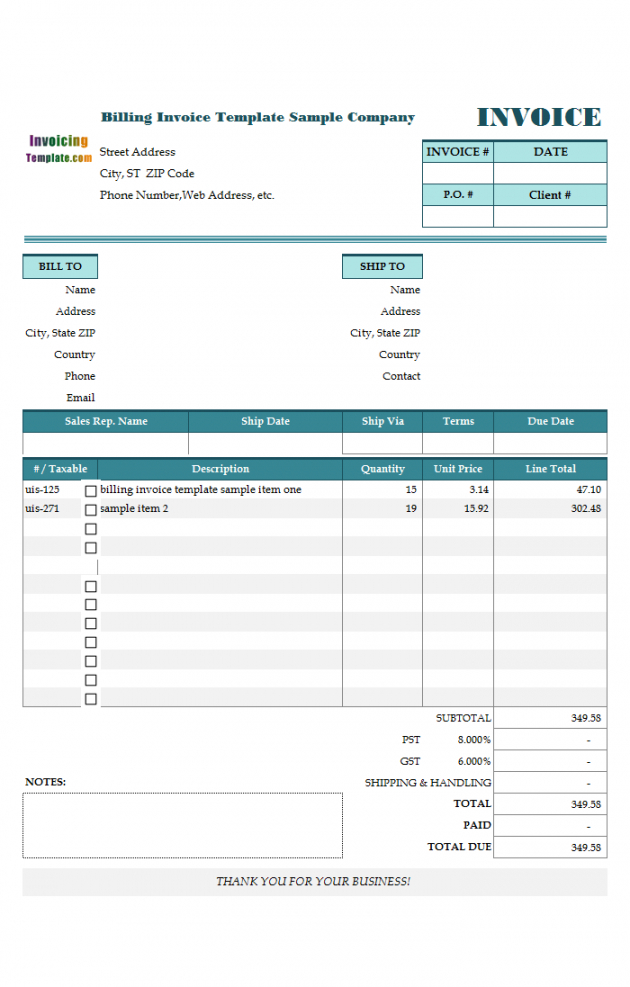
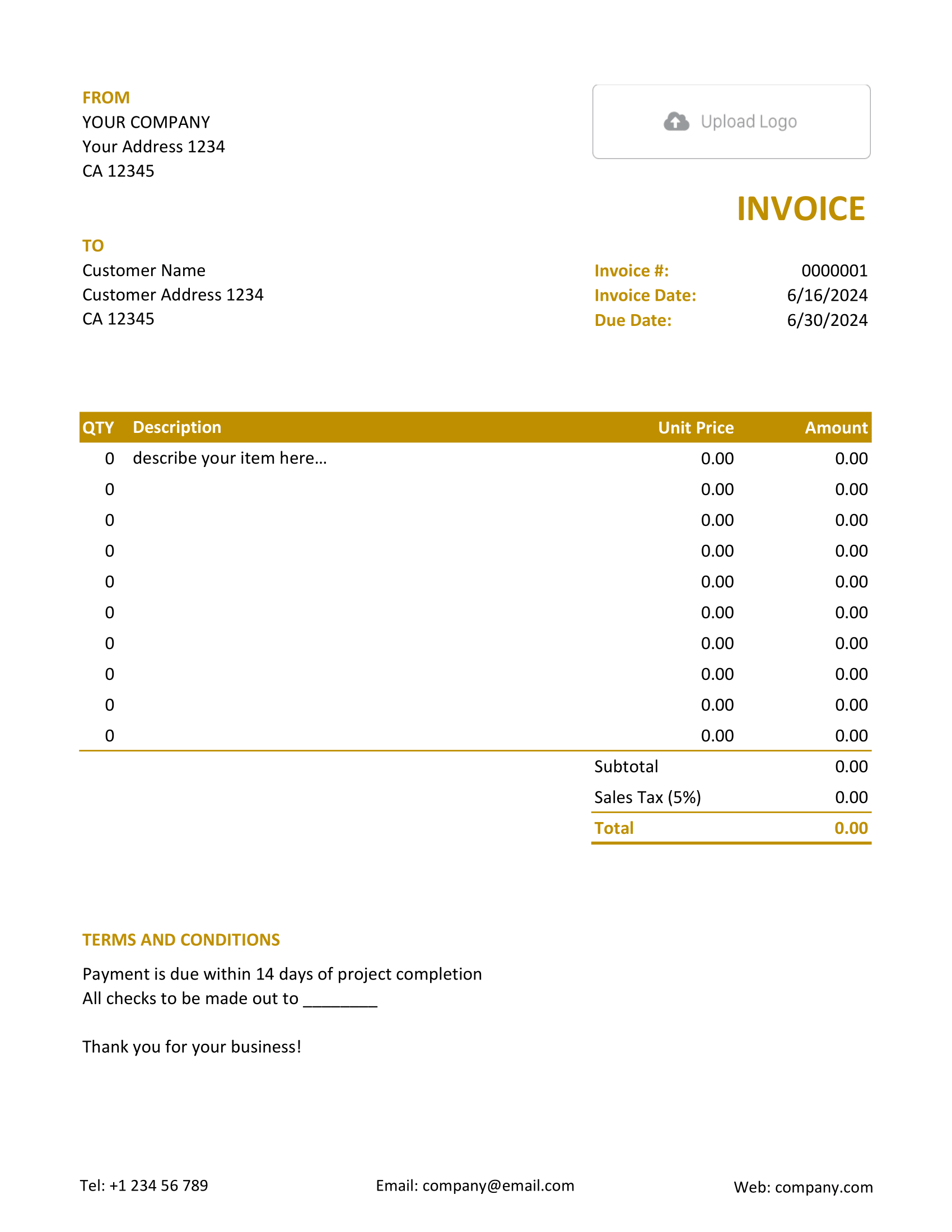
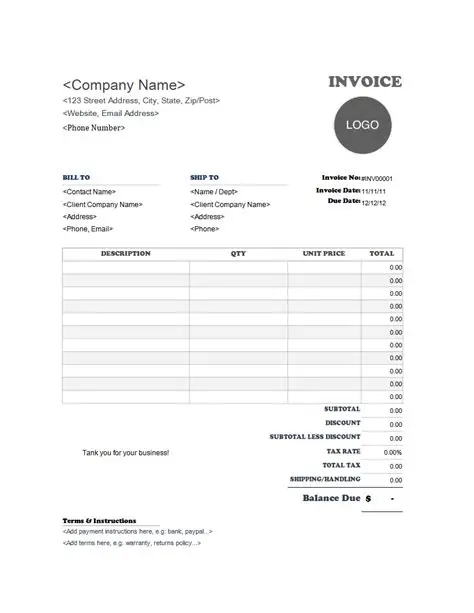
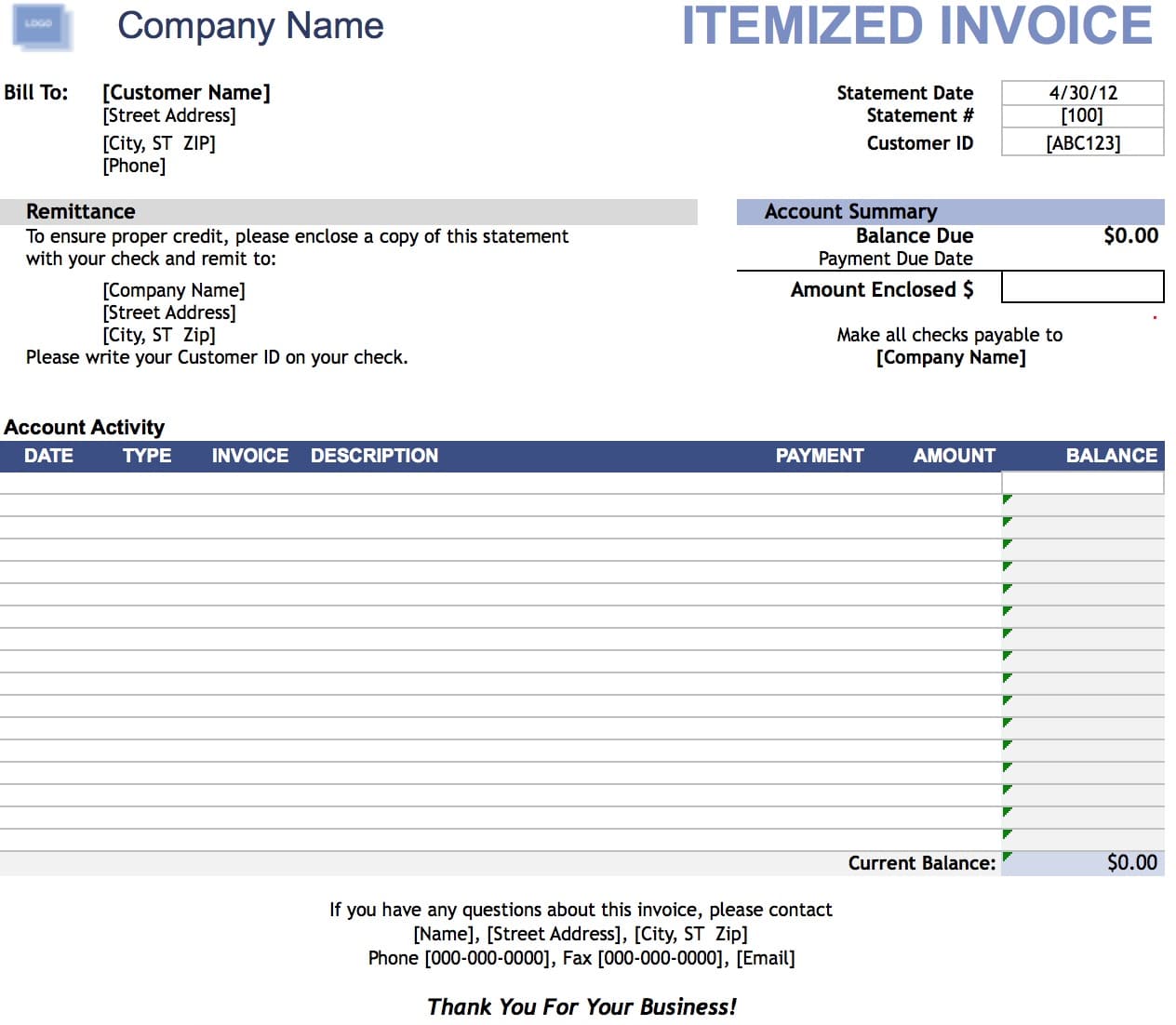
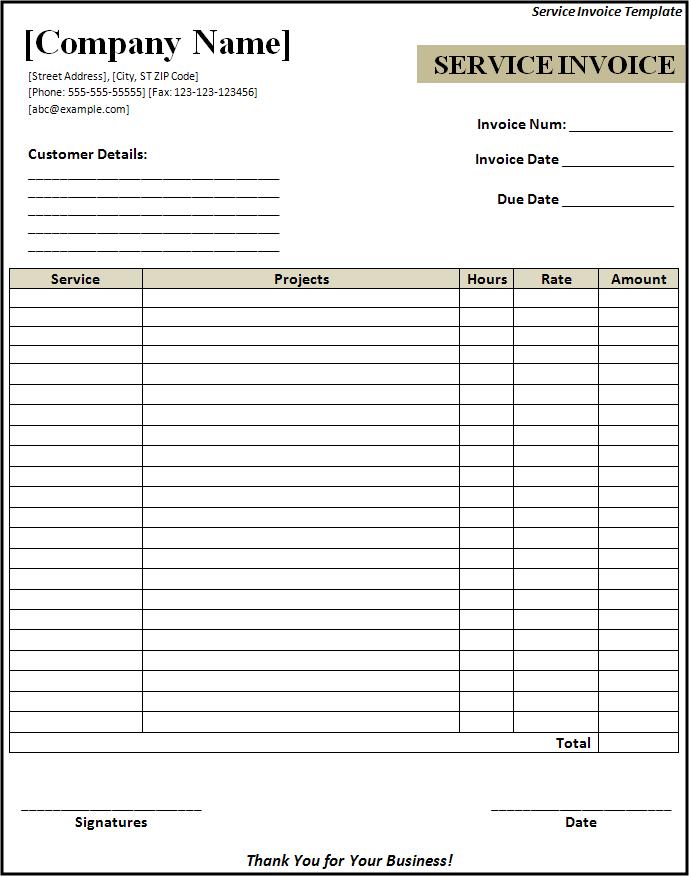
How to Create an Itemized Invoice
Creating an itemized invoice is a straightforward process that can be done using accounting software or templates available online. Follow these steps to create an itemized invoice:
Selecting the Right Invoice Template
Choosing the right template is the first step in creating an itemized invoice. Look for templates that are easy to use, professional-looking, and customizable to fit your business needs. Using a template can save time and ensure that your invoices are consistent in format and presentation.
Filling in Business Details
Include your business name, address, and contact information at the top of the invoice to identify where the invoice is coming from. This information is essential for clients to know who they are receiving services from and where to direct any inquiries or payments.
Adding Client Information
Enter the client’s name, address, and contact information below your business details to specify who the invoice is being sent to. Including this information ensures that the invoice is correctly addressed and helps to avoid any confusion about who is being billed for the services provided.
Itemizing Charges
List each item or service provided on the invoice, along with the quantity and unit price for each. This detailed breakdown helps clients understand what they are being charged for and can prevent doubts or questions about the charges
Providing a detailed breakdown also allows clients to identify any discrepancies or errors in the charges. If clients have any doubts or questions about the charges, they can easily refer to the itemized invoice for clarification. This transparency helps to build trust and credibility with clients.
Calculating Total Amount Due
After listing all charges, it is crucial to calculate the total amount due accurately. Double-check the calculations to ensure that the total reflects the sum of all charges listed on the invoice. This final amount is what the client will be expected to pay, so accuracy is key in this step.
Setting Payment Terms
Specify the payment terms on the invoice, including the due date and accepted payment methods. Clearly outlining when payment is expected and how it can be made helps to avoid any confusion or delays in payment. Providing this information upfront sets clear expectations for both parties.
Reviewing and Sending the Invoice
Before sending the invoice to the client, take the time to review it for accuracy and completeness. Check that all information is correct, including business and client details, itemized charges, and the total amount due. Once you are confident that the invoice is accurate, send it to the client promptly to ensure timely payment.
Tips for Using Itemized Invoices
Here are some tips for effectively using itemized invoices in your business:
Being Descriptive in Item Descriptions
When describing each item or service on the invoice, be as detailed as possible. Provide clarity on what the item or service is and how it relates to the overall project or transaction. Being descriptive helps clients understand the value they are receiving and reduces the chances of confusion or disputes.
Using Clear and Readable Formatting
Choose a clear and readable font for your itemized invoices to ensure that all information is easily legible. Proper formatting, such as bolding important details or using bullet points for lists, can help draw attention to key information. A well-formatted invoice not only looks more professional but also enhances readability for clients.
Ensuring Contact Information Accessibility
Make sure that your contact information, including phone number and email address, is prominently displayed on the invoice. This ensures that clients can easily reach out to you if they have any questions or concerns about the charges. Access to contact information helps build trust and transparency in your business dealings.
Sending Invoices Promptly
Send out invoices promptly after completing a project or providing a service. Timely invoicing sets clear expectations for payment and helps maintain a steady cash flow for your business. Prompt invoicing also shows professionalism and reliability to your clients.
Following Up on Payments
After sending an itemized invoice, follow up with clients to ensure timely payment. A friendly reminder about the invoice due date can help prevent delays in payment and demonstrate your commitment to efficient billing practices. Following up also provides an opportunity to address any questions or concerns clients may have about the charges.
