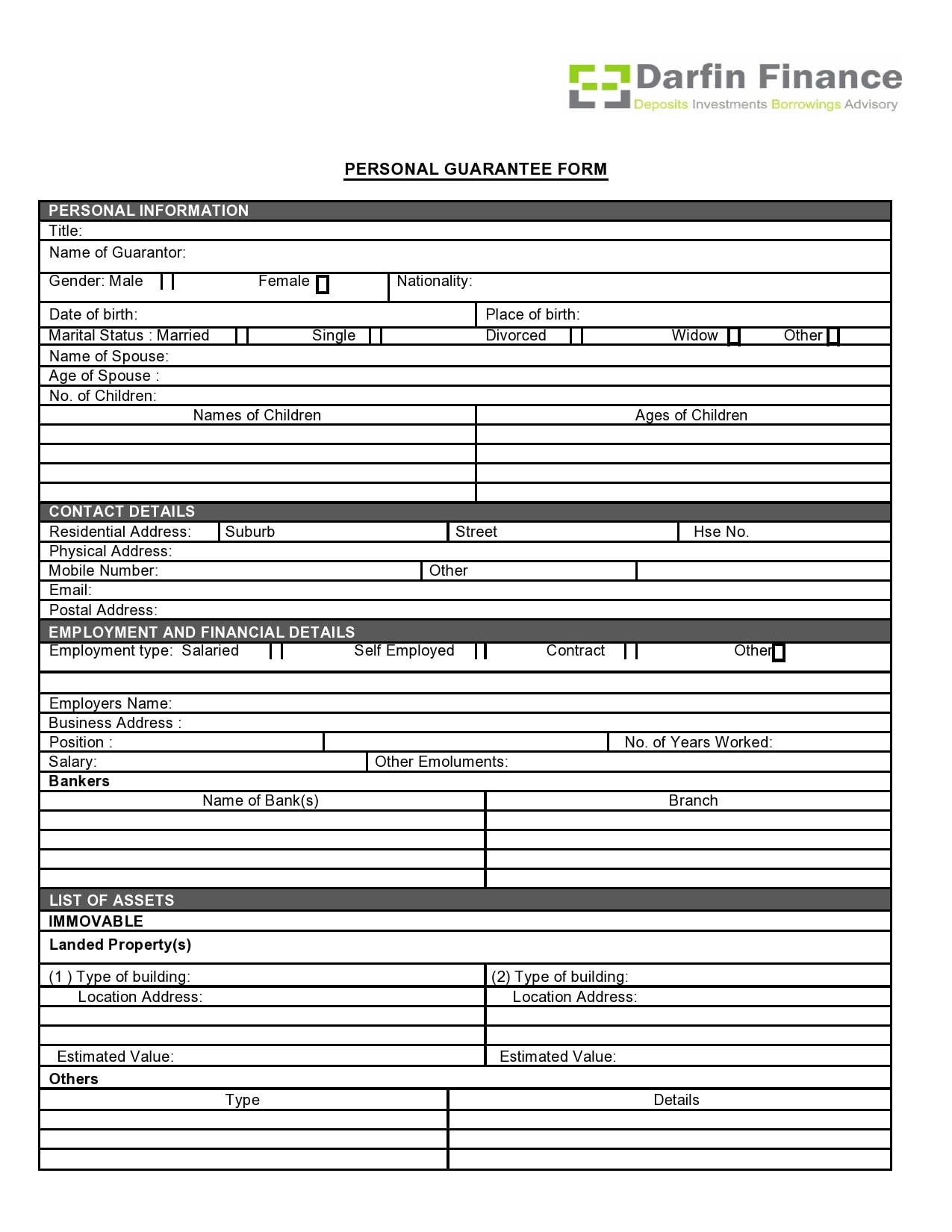
When it comes to obtaining financing for a business or securing credit terms, having a strong credit history and ample collateral can make all the difference. However, for many small businesses or startups with limited credit history or assets, accessing the necessary funding can be a challenge. This is where a personal guarantee comes into play, providing a layer of protection for lenders or creditors by making an individual personally responsible for another party’s debt if that party fails to pay.
Let’s delve deeper into the world of personal guarantees and explore how they work, the different types available, as well as the pros and cons associated with them.
What Is a Personal Guarantee?
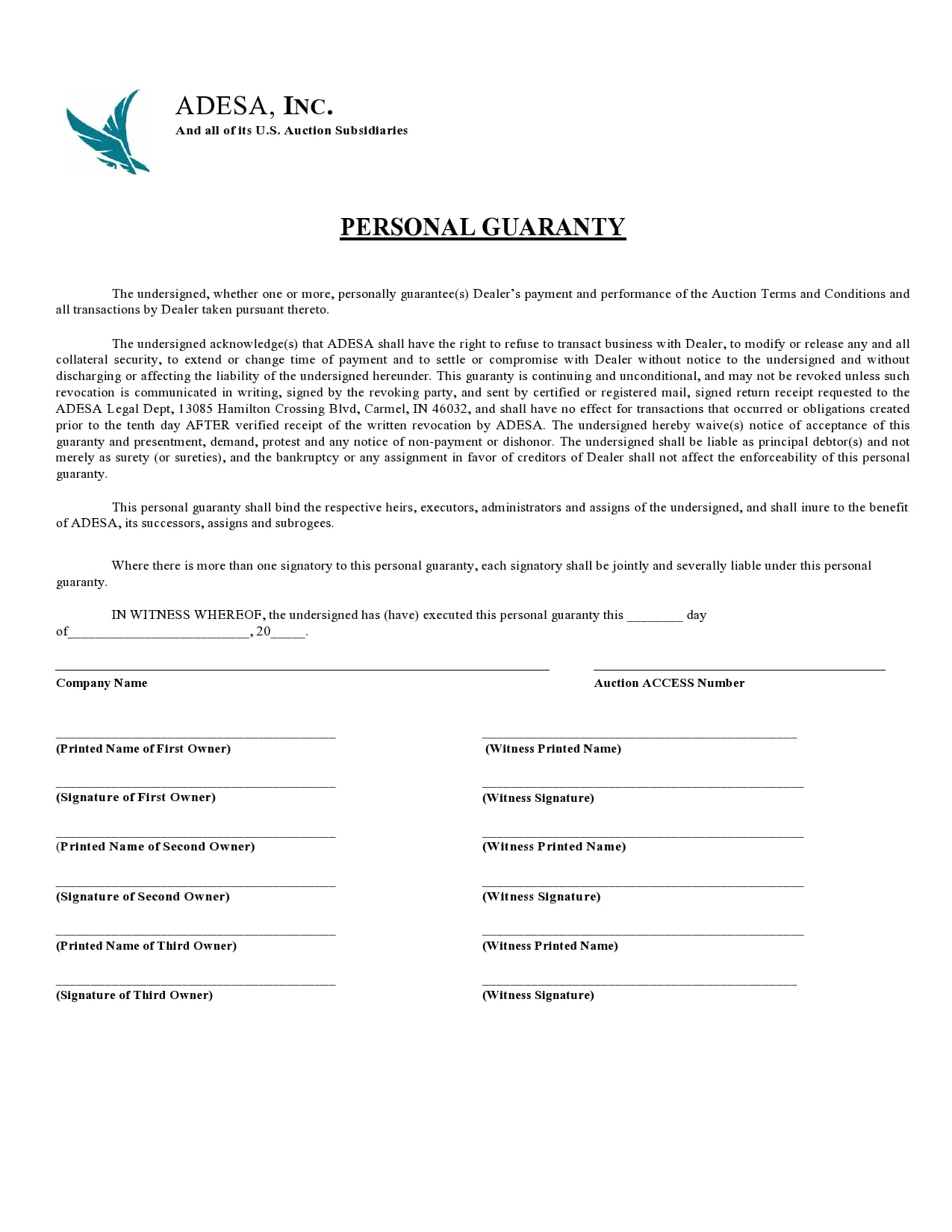
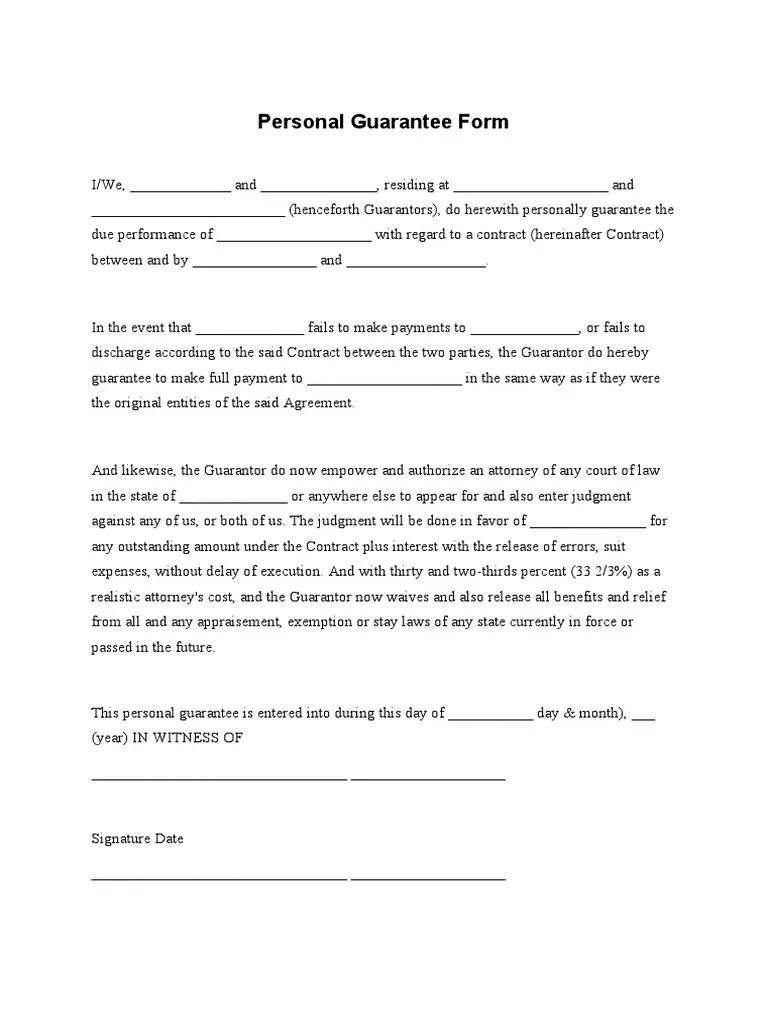
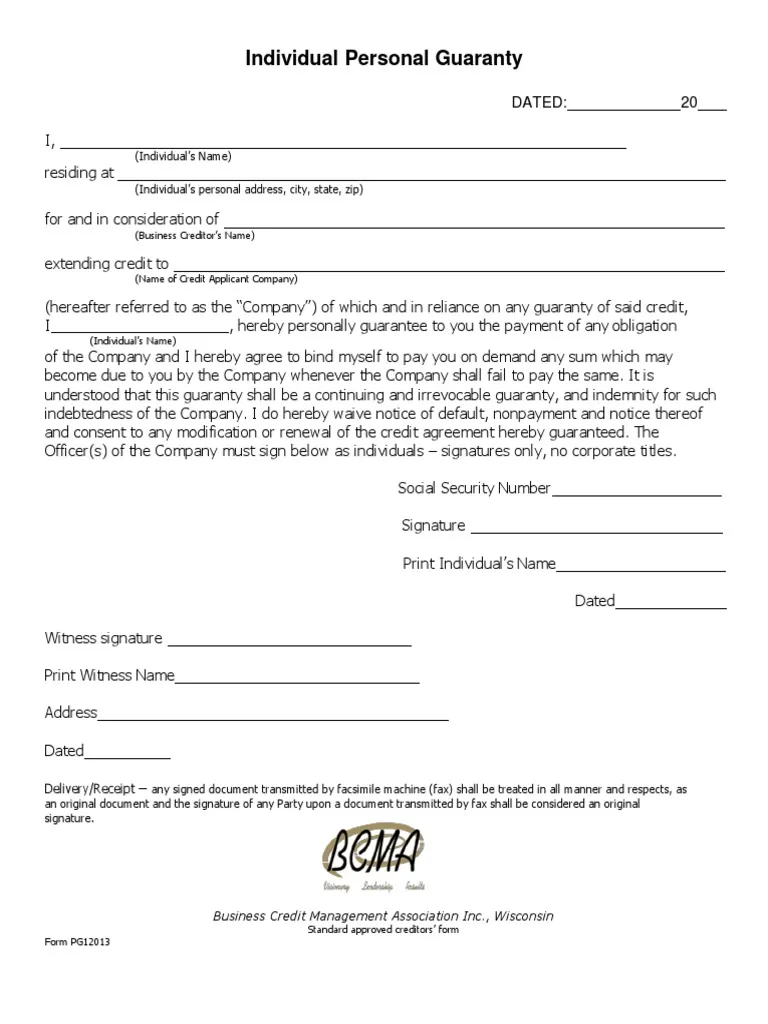
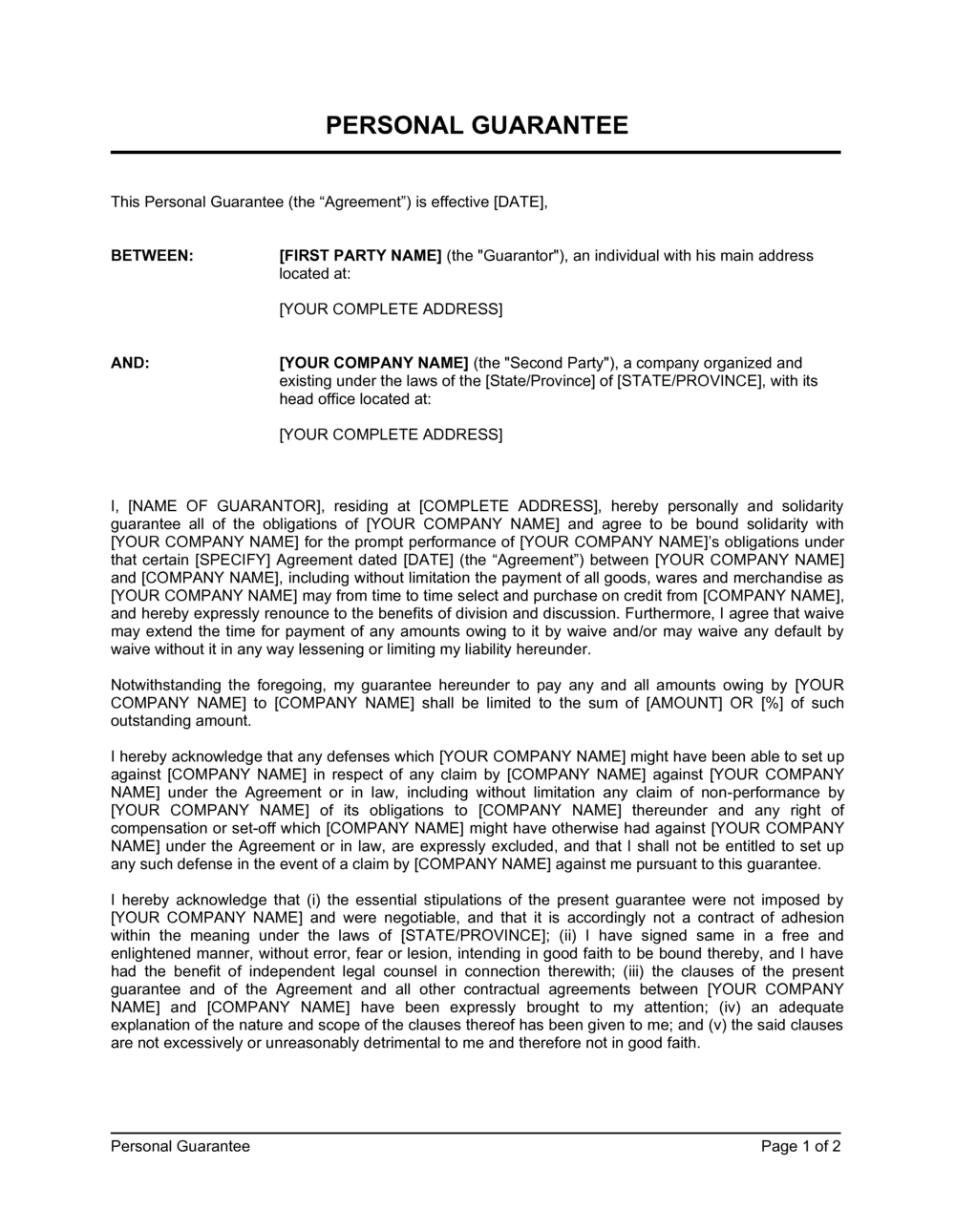
A personal guarantee is a legal agreement in which an individual agrees to be personally liable for the debt or obligations of another party, typically a business entity. By signing a personal guarantee, the individual is essentially offering their personal assets as collateral to secure the debt, providing the lender or creditor with assurance that they can recover their money if the primary borrower defaults.
How Personal Guarantees Work
When a lender or creditor requires a personal guarantee as part of a loan or credit agreement, they are looking to mitigate the risk of lending to a party with limited credit history or collateral. In the event that the primary borrower defaults on the loan or fails to meet their obligations, the lender can pursue the individual who provided the personal guarantee for repayment. This means that the individual’s personal assets, such as their savings, investments, or property, could be at risk if the business is unable to repay the debt.
Types of Personal Guarantees
There are several types of personal guarantees that individuals may be asked to provide, depending on the nature of the debt or obligation. Some common types include unlimited personal guarantees, limited personal guarantees, joint and several guarantees, and several others. Each type of guarantee has its own set of terms and conditions, so it’s important to fully understand the implications before agreeing to provide a personal guarantee.
Pros and Cons of Personal Guarantees
Like any financial agreement, personal guarantees come with their own set of advantages and disadvantages. Here are some key pros and cons to consider:
- Pros:
- Access to funding for businesses with limited credit history or collateral
- May help secure more favorable loan terms or interest rates
- Demonstrates commitment and confidence in the business
- Cons:
- Potential risk to personal assets if the business defaults
- Can impact personal credit score if the debt goes unpaid
- May strain personal relationships if the guarantee is called upon
Things to Consider Before Agreeing to a Personal Guarantee
Before signing a personal guarantee, it’s important to carefully weigh the risks and benefits involved. Here are some key factors to consider:
- Understand the Terms: Make sure you fully comprehend the terms of the guarantee, including the extent of your liability and the potential consequences of default.
- Assess Your Ability to Repay: Consider whether you have the means to repay the debt if the primary borrower is unable to do so.
- Seek Legal Advice: If you’re unsure about any aspect of the guarantee, it’s wise to consult with a legal professional who can provide guidance.
- Explore Alternatives: Before committing to a personal guarantee, explore other financing options that may not require you to put your personal assets at risk.
In Conclusion
Personal guarantees can be a valuable tool for businesses looking to access funding or credit on more favorable terms. However, it’s essential to understand the risks involved and carefully consider whether providing a personal guarantee is the right decision for your financial situation. By weighing the pros and cons, seeking advice when needed, and fully understanding the terms of the guarantee, you can make an informed choice that aligns with your goals and objectives.
