In the world of business, securing funding is often a crucial step towards turning ideas into reality. An investment proposal serves as a formal document that outlines a business’s plan, market opportunity, financial projections, and how the requested funds will be used to achieve specific goals. It is designed to persuade potential investors to fund a business or project by demonstrating a compelling opportunity for a profitable return on their investment.
Crafting a well-thought-out investment proposal is essential for entrepreneurs looking to attract the necessary capital to grow their ventures.
What is an Investment Proposal?
An investment proposal is a strategic document that provides detailed information about a business or project to potential investors. It outlines the key aspects of the venture, including the market opportunity, the financial projections, the management team, and the specific goals that the funds will be used to achieve.
By presenting a clear and comprehensive overview of the business opportunity, entrepreneurs can attract investors and secure the funding needed to move their projects forward.
Why is an Investment Proposal Important?
An investment proposal is essential for entrepreneurs seeking funding for their ventures for several reasons.
Establishing Credibility
One of the key reasons why an investment proposal is important is that it helps entrepreneurs establish credibility with potential investors. By presenting a well-researched and thorough proposal, entrepreneurs can demonstrate their understanding of the market, the competition, and the potential risks and opportunities associated with the project. This, in turn, helps to build trust and confidence with investors, making them more likely to consider providing the necessary funding.
Showcasing the Business Opportunity
Another important aspect of an investment proposal is its ability to showcase the business opportunity to potential investors. By providing a detailed analysis of the market opportunity, the competitive landscape, and the unique value proposition of the business, entrepreneurs can paint a clear picture of the potential for success. This helps investors understand the market dynamics and the potential return on investment, making them more inclined to support the project.
Setting Clear Goals
An investment proposal is important because it helps entrepreneurs set clear goals and objectives for their ventures. By outlining specific milestones and targets that will be achieved with the funding, entrepreneurs can create a roadmap for success. This not only helps to keep the project on track but also provides investors with a clear understanding of what their funding will be used for and the expected outcomes. Setting clear goals in the proposal can help align the interests of the entrepreneurs and investors, fostering a successful partnership.
Key Elements of an Investment Proposal
When crafting an investment proposal, several key elements should be included to make it compelling and informative for potential investors:
Executive Summary
The executive summary is a critical component of an investment proposal as it provides a snapshot of the entire document. It should concisely summarize the business opportunity, the funding request, the financial projections, and the key highlights of the proposal. The executive summary is often the first section that potential investors will read, so it is essential to make it engaging and compelling to capture their interest from the start.
Market Opportunity
The market opportunity section of an investment proposal should provide a detailed analysis of the target market, including the size, growth potential, trends, and competitive landscape. Entrepreneurs should demonstrate a deep understanding of the market dynamics and how the business fits into the broader industry. By highlighting the market opportunity, entrepreneurs can showcase the potential for growth and profitability, making the investment more attractive to potential investors.
Business Plan
The business plan section of an investment proposal outlines the key aspects of the venture, including the business model, revenue streams, target customers, and growth strategy. Entrepreneurs should provide a detailed description of how the business operates, generates revenue, and plans to scale in the future. This section should also include information about the competitive advantage of the business and how it differentiates itself in the market.
Financial Projections
Financial projections are a crucial part of an investment proposal as they provide insight into the potential return on investment for investors. Entrepreneurs should include detailed forecasts of revenue, expenses, profitability, and cash flow over a specified period, typically three to five years. These projections should be based on realistic assumptions and market research to give investors confidence in the financial viability of the business.
Use of Funds
The use of funds section outlines how the requested investment will be used to achieve specific goals and milestones. Entrepreneurs should provide a detailed breakdown of how the funds will be allocated, including expenses such as product development, marketing, operations, and hiring. By demonstrating a clear plan for how the funds will be utilized, entrepreneurs can instill confidence in investors that their investment will be put to good use and generate a positive return.
Management Team
The management team section of an investment proposal introduces key team members and their relevant experience and expertise. Investors are not only investing in the business idea but also in the people behind it. Entrepreneurs should highlight the qualifications, skills, and track record of the management team to showcase their ability to execute the business plan successfully. This section helps investors assess the team’s capabilities and determine if they have the necessary skills to drive the venture forward.
Risk Analysis
The risk analysis section of an investment proposal identifies potential risks and challenges that could impact the success of the project. Entrepreneurs should conduct a thorough analysis of the risks associated with the business, such as market risks, competition, regulatory challenges, and operational risks. By addressing these potential risks upfront and outlining strategies to mitigate them, entrepreneurs can demonstrate their awareness and preparedness to deal with uncertainty, which can help build confidence with investors.
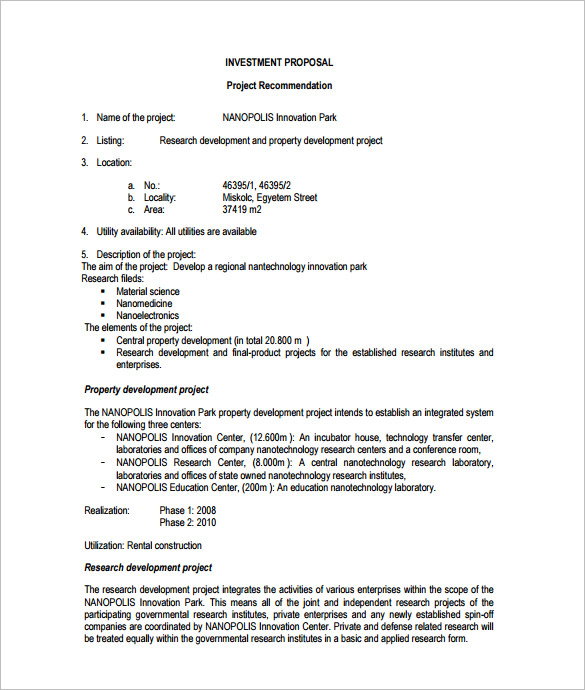
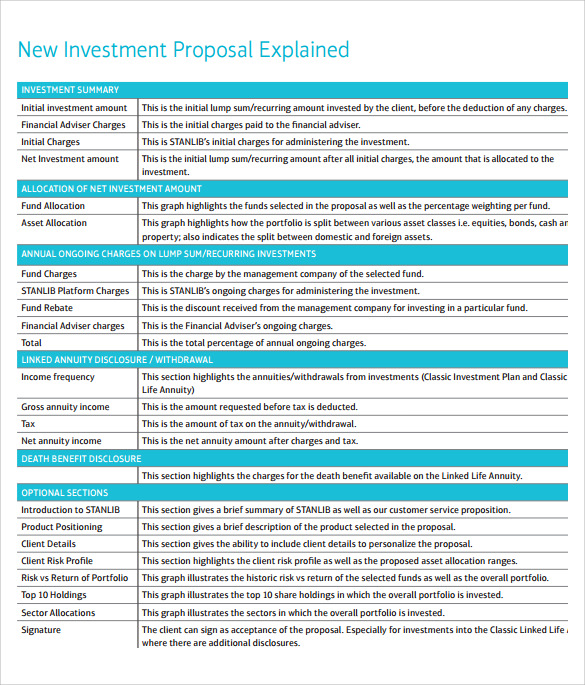
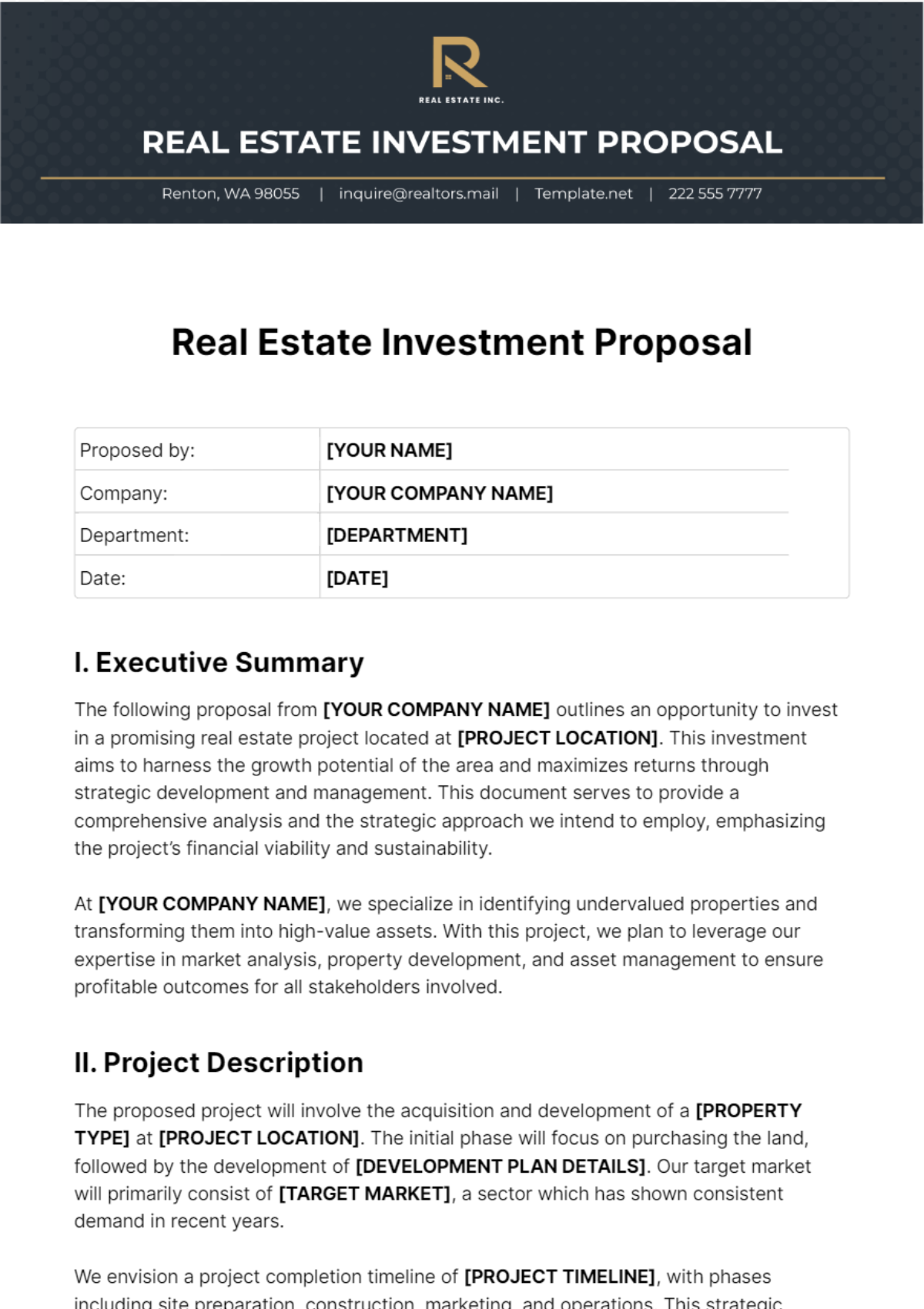
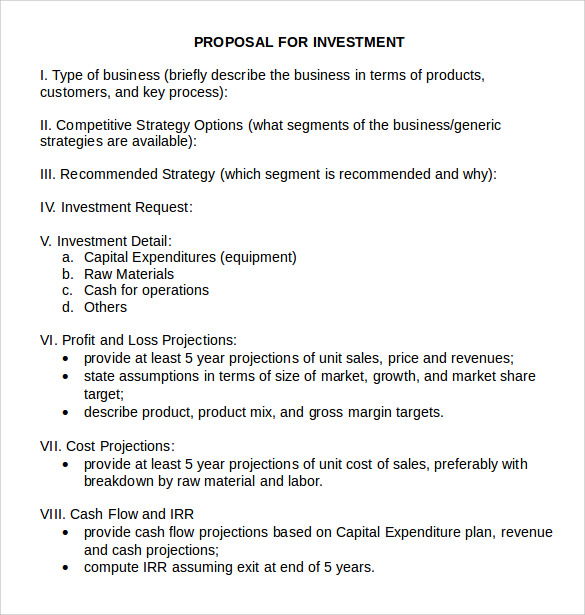
Examples
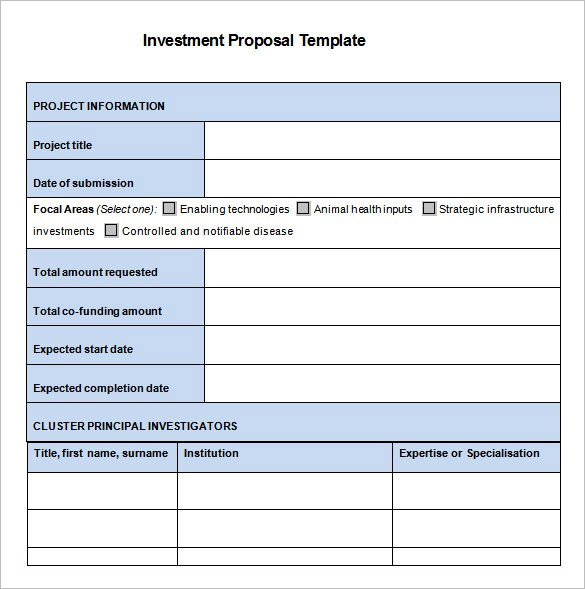
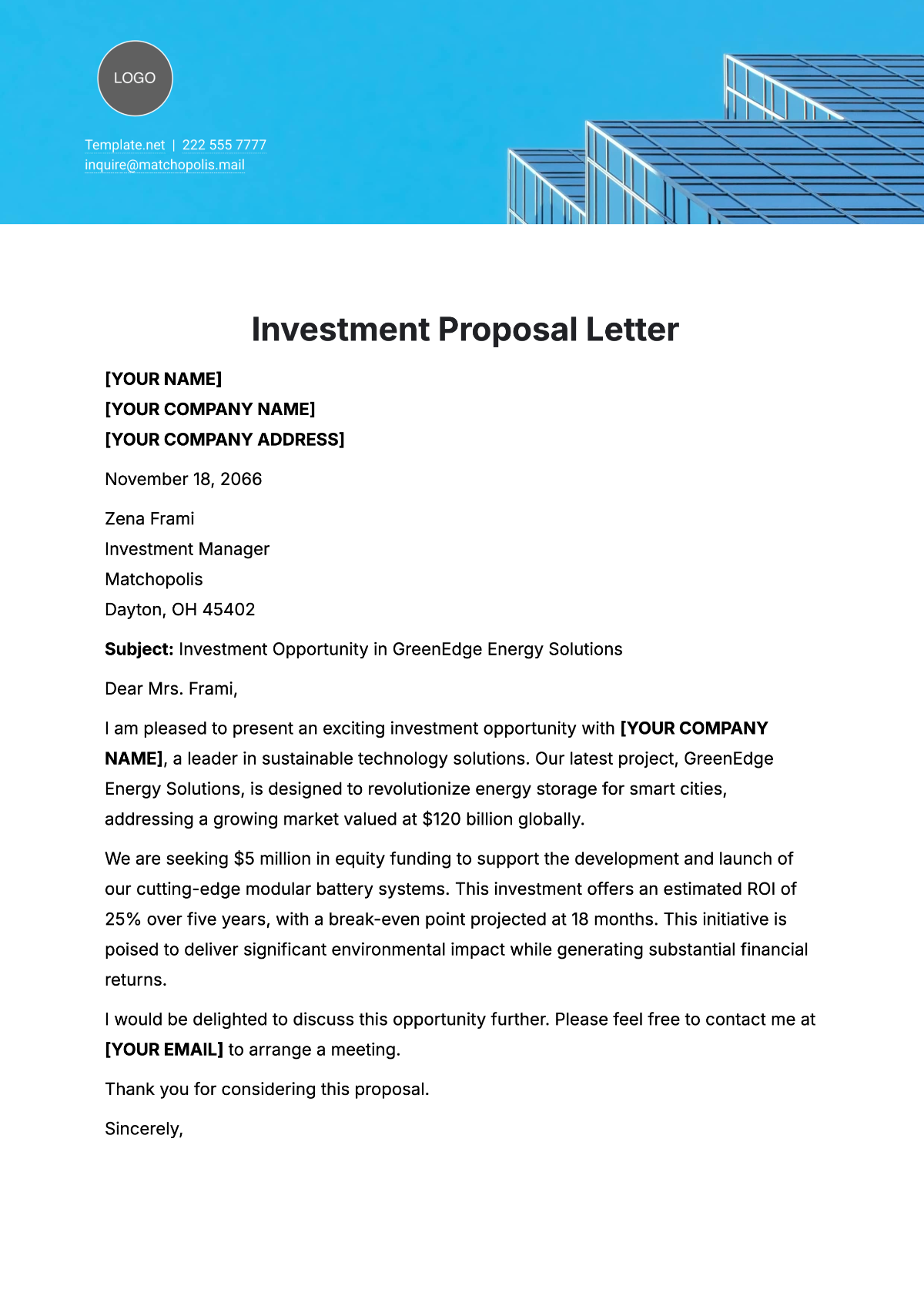
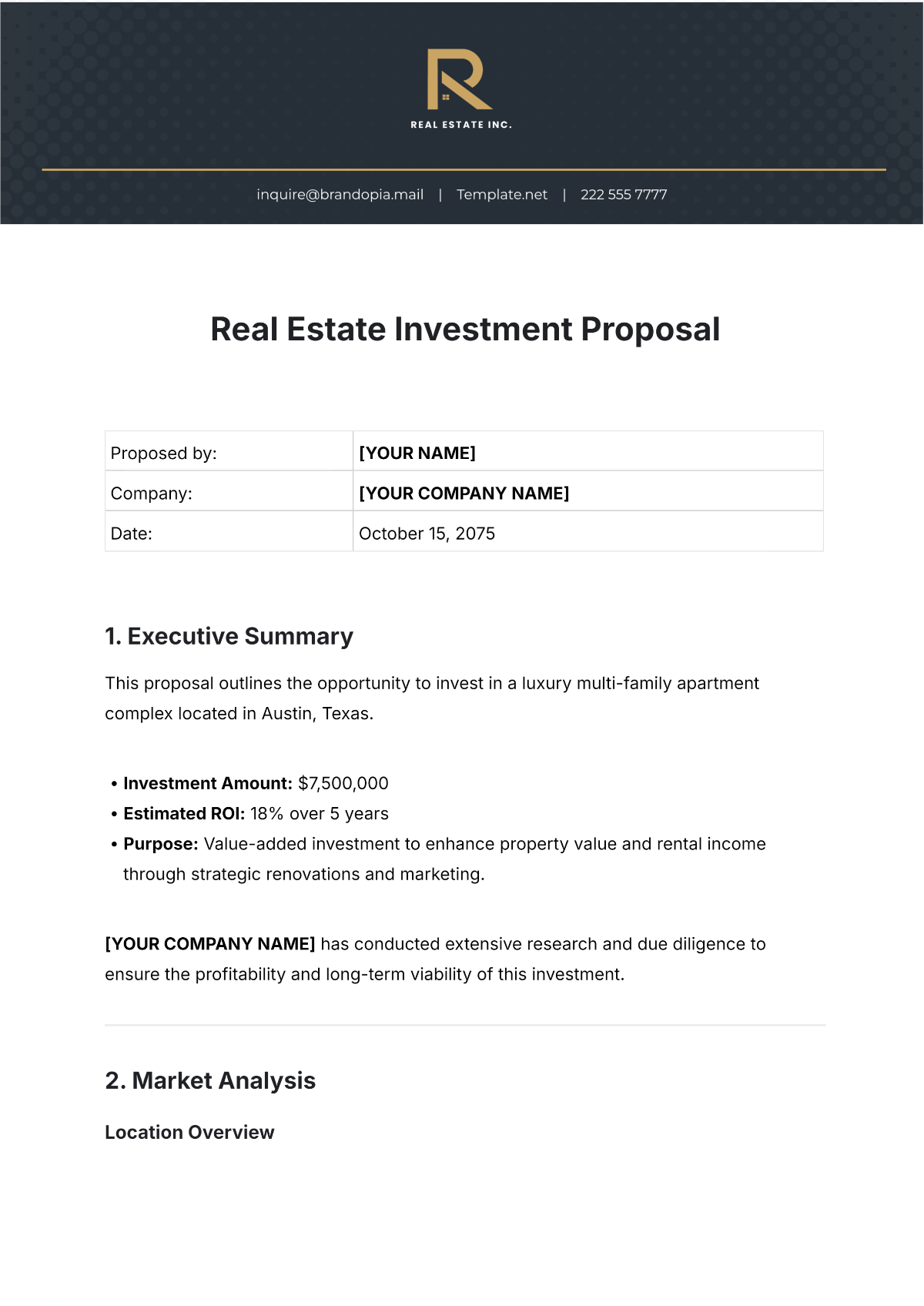
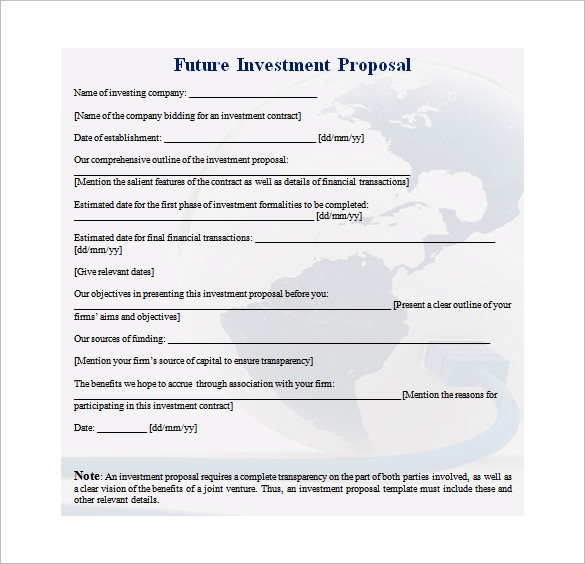
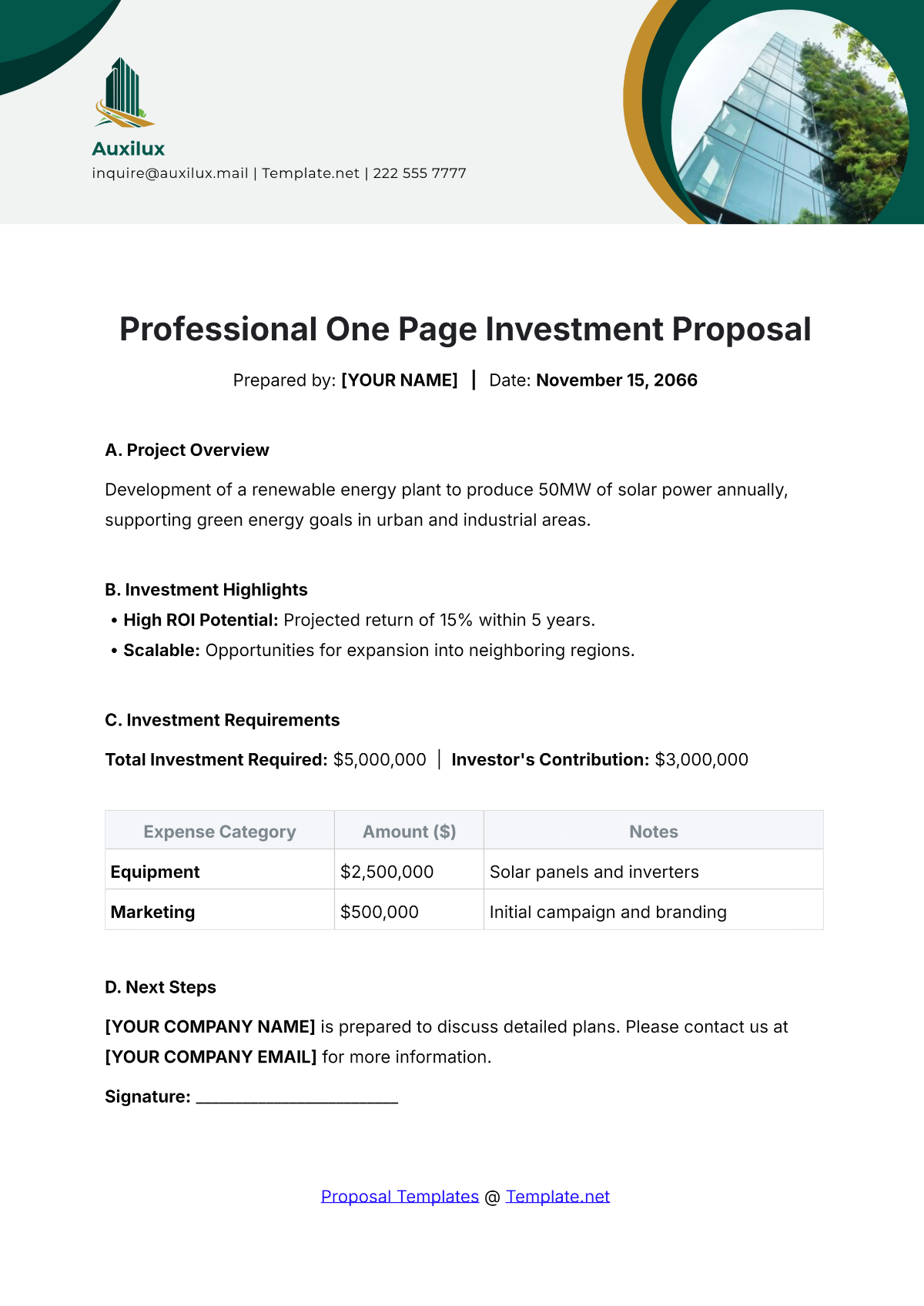
How to Create an Effective Investment Proposal
Creating an effective investment proposal requires careful planning and attention to detail. Here are some tips to help you craft a compelling document that will attract potential investors:
Research and Analysis
Conduct thorough research on the market, competition, and target audience to provide a comprehensive overview of the opportunity. By gathering data and insights, entrepreneurs can support their assumptions and projections with credible information, making the proposal more convincing to investors.
Clear and Concise Writing
Use clear and concise language to communicate the key aspects of the business opportunity and financial projections. Avoid jargon and technical terms that may confuse investors and focus on presenting the information in a straightforward and easy-to-understand manner.
Visual Aids
Include charts, graphs, and visuals to illustrate key data points and make the proposal more engaging for investors. Visual aids can help convey complex information in a more digestible format and make the proposal more visually appealing and easier to follow.
Professional Design
Use a professional design layout and formatting to make the proposal visually appealing and easy to read. A well-designed proposal can leave a positive impression on investors and create a sense of professionalism and credibility. Consider using branding elements and colors that align with the company’s identity to create a cohesive and polished presentation.
Seek Feedback
Have peers or advisors review your proposal and provide feedback to ensure it is clear, compelling, and persuasive. Getting input from others can help identify areas for improvement and ensure that the proposal effectively communicates the value and potential of the business opportunity. Consider seeking feedback from individuals with experience in finance, marketing, or entrepreneurship to gain valuable insights and recommendations for enhancing the proposal.
Customize for Each Investor
Tailor your proposal to the specific interests and preferences of each potential investor to make it more relevant and impactful. Consider adjusting the language, tone, and focus of the proposal based on the investor’s industry background, investment criteria, and risk tolerance. Personalizing the proposal can demonstrate your understanding of the investor’s needs and increase the likelihood of securing funding.
Tips for Presenting Your Investment Proposal
When presenting your investment proposal to potential investors, keep these tips in mind to maximize your chances of success:
Practice Your Pitch
Practice delivering your pitch with confidence and clarity to make a strong impression on investors. Rehearse your presentation multiple times to ensure you can effectively communicate the key points of the proposal and respond to questions with poise and professionalism.
Focus on the Value Proposition
Highlight the unique value proposition of your business and why it stands out in the market. Clearly articulate the benefits and competitive advantages that your venture offers to investors, emphasizing why they should consider investing in your project over other opportunities.
Be Prepared for Questions
Anticipate questions from investors and be prepared to provide detailed answers to address any concerns. Develop responses to common questions about the market opportunity, competition, financial projections, and risks, demonstrating your knowledge and preparedness to engage in meaningful discussions with potential investors.
Build Relationships
Invest time in building relationships with potential investors to establish trust and credibility before presenting your proposal. Connect with investors through networking events, introductions, and informational meetings to develop rapport and familiarity, which can enhance the likelihood of securing funding for your venture.
Follow Up
Follow up with investors after the presentation to address any additional questions or concerns and keep them engaged in the process. Send a thank-you note expressing gratitude for their time and interest in your proposal, and offer to provide further information or clarification as needed to continue the dialogue and strengthen the relationship with potential investors.
Conclusion
In conclusion, creating a compelling investment proposal is a critical step for entrepreneurs seeking funding for their ventures. By including key elements such as market opportunity, business plan, financial projections, and use of funds, entrepreneurs can present a clear and comprehensive overview of the business opportunity to potential investors. By following the tips outlined in this guide and presenting the proposal with confidence and professionalism, entrepreneurs can increase their chances of attracting the necessary capital to take their projects to the next level.
With a well-crafted investment proposal and strategic presentation approach, entrepreneurs can effectively communicate the value and potential of their ventures, ultimately securing the funding needed to fuel growth and success.
Investment Proposal Template – Download
