A job estimate is one of the most important documents in business operations, especially for companies that provide services, construction work, repairs, consulting, design, manufacturing, or project-based solutions. Before any project officially begins, clients want to understand what work will be completed, how long it will take, and how much it will cost. A well-prepared job estimate answers these questions clearly while helping businesses establish professionalism, transparency, and trust.
In today’s competitive marketplace, customers expect detailed pricing information before committing to a service provider. A vague quote or incomplete estimate can create confusion, misunderstandings, and even disputes later in the project. On the other hand, a clear and itemized job estimate allows clients to make informed decisions while giving businesses an opportunity to demonstrate organization, expertise, and reliability.
A professional job estimate is more than just a list of costs. It acts as a roadmap for the project by outlining labor expenses, materials, timelines, equipment usage, subcontractor fees, and potential additional charges. This level of detail creates realistic expectations and reduces the risk of financial surprises once work begins. It also gives both parties a foundation for negotiation and future project planning.
For businesses, accurate estimating is directly connected to profitability and reputation. Underestimating costs can reduce profits and create operational stress, while overestimating may cause businesses to lose potential clients to competitors. Effective job estimates balance competitiveness with financial sustainability, ensuring that projects remain manageable and profitable.
This article explores everything businesses and professionals need to know about job estimates, including what they are, why they matter, how to prepare them correctly, and the best strategies for ensuring successful project estimation. Whether you are a freelancer, contractor, consultant, or business owner, understanding the importance of accurate job estimating can significantly improve client relationships and long-term business growth.
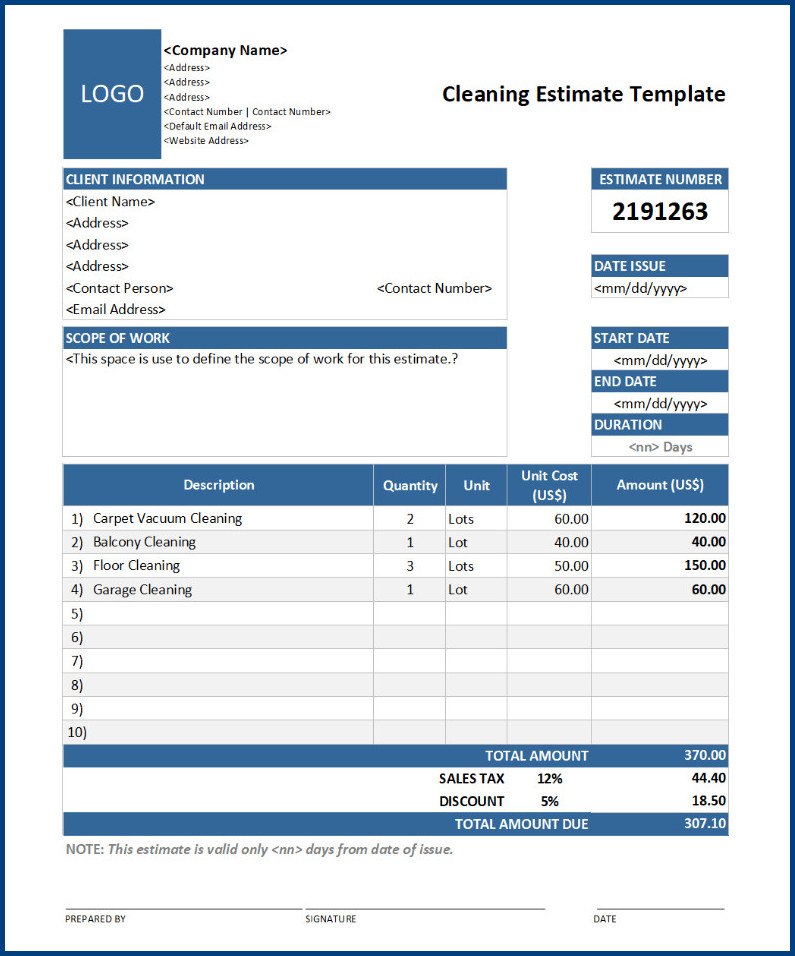
What Is a Job Estimate?
A job estimate is a formal document that provides a projected overview of a project’s costs, scope, labor requirements, materials, and expected completion timeline before work begins. It is commonly used in industries such as construction, maintenance, landscaping, consulting, home improvement, graphic design, information technology, and professional services.
The main purpose of a job estimate is to help clients understand the financial and operational aspects of a project before making a final decision. Unlike an invoice, which requests payment after services are completed, a job estimate is prepared beforehand to outline anticipated expenses and project details.
A professional estimate usually includes a breakdown of labor costs, materials, equipment usage, taxes, administrative fees, and estimated project duration. Some estimates also include terms and conditions, payment schedules, and disclaimers about potential changes that could affect pricing.
Job estimates are important because they establish transparency between businesses and clients. They reduce misunderstandings, improve communication, and create a foundation for professional collaboration. In many cases, clients compare estimates from several providers before choosing a contractor or service company, making the quality of the estimate an important factor in winning new business.
- Project Cost Projection. A job estimate provides a detailed prediction of how much a project is expected to cost before work begins.
- Scope Definition. It outlines the specific tasks, services, and deliverables included in the project agreement.
- Timeline Expectations. Estimates often include projected start dates, completion schedules, and milestone deadlines.
- Material and Labor Breakdown. Clients can see how costs are divided among labor, materials, equipment, and other expenses.
- Negotiation Foundation. Estimates create a starting point for discussing pricing, adjustments, and project requirements.
- Professional Documentation. A detailed estimate demonstrates professionalism, organization, and commitment to transparent business practices.
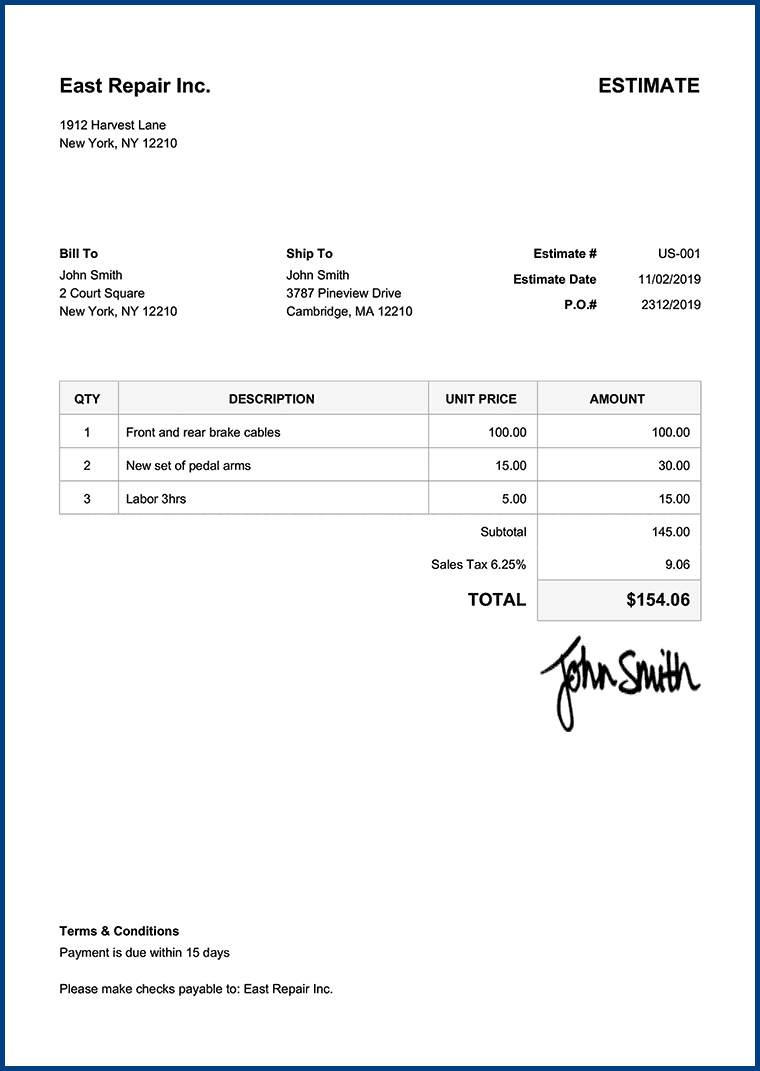
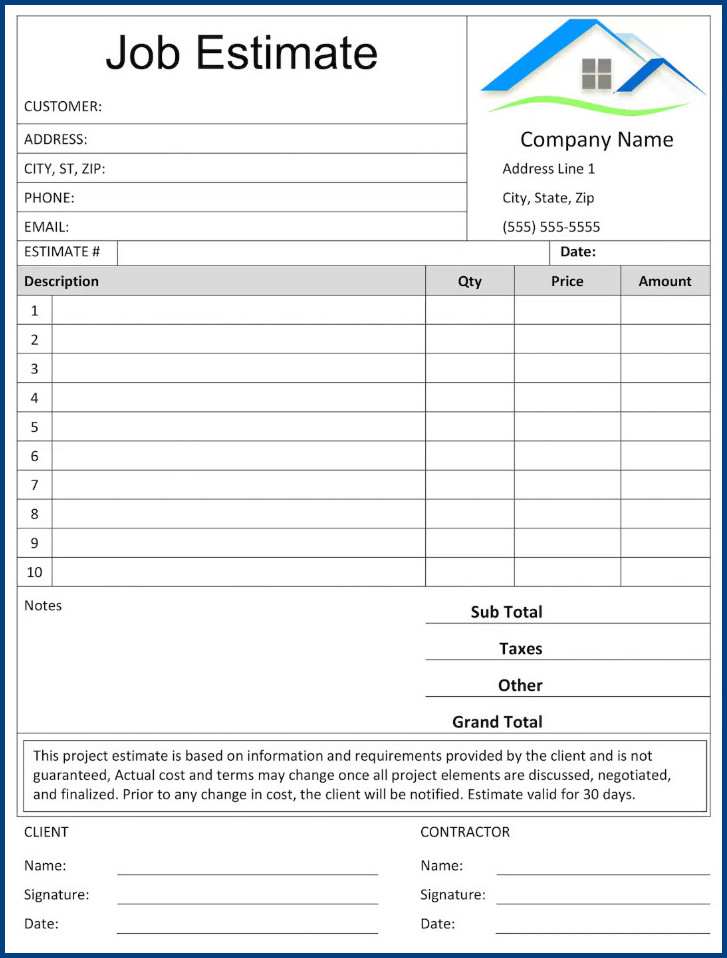
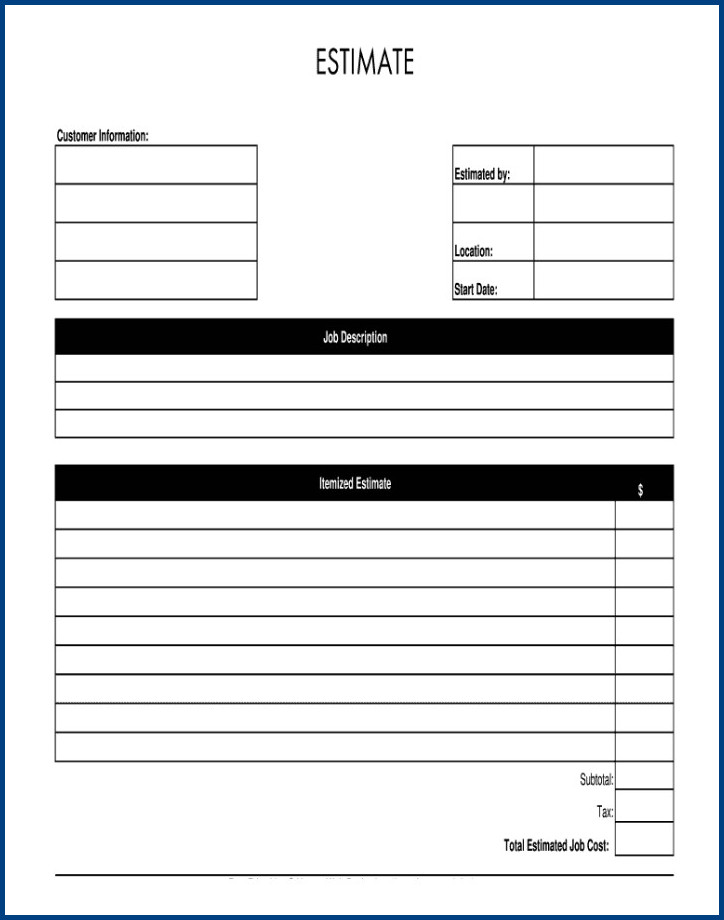
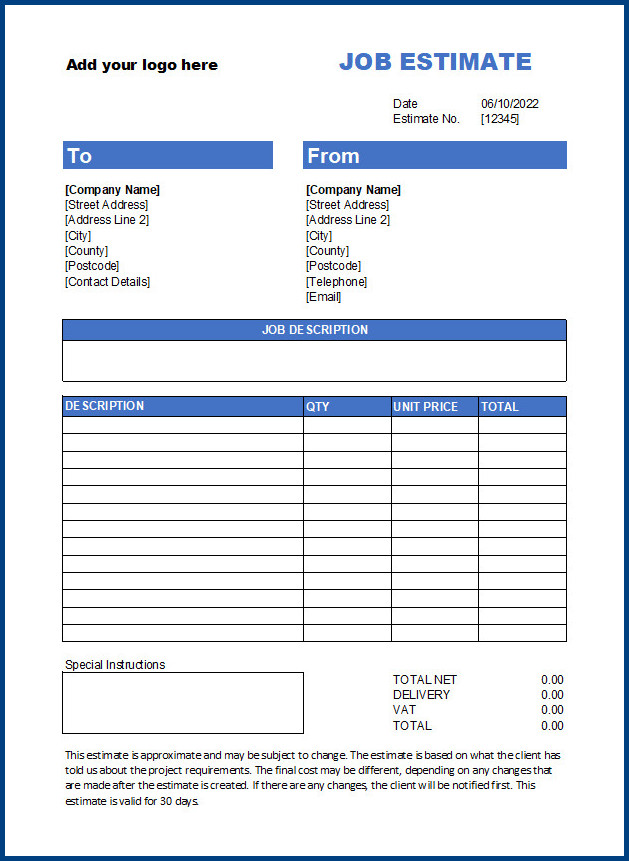
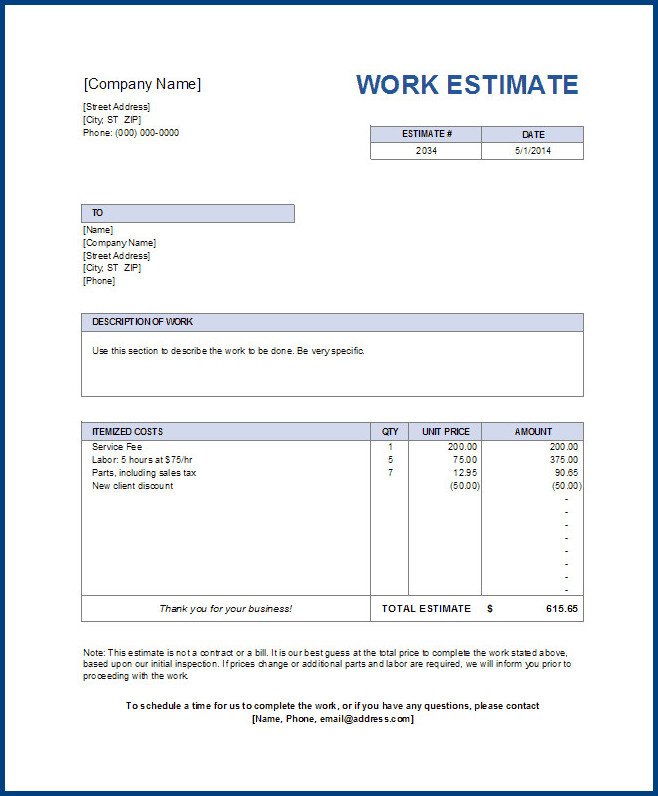
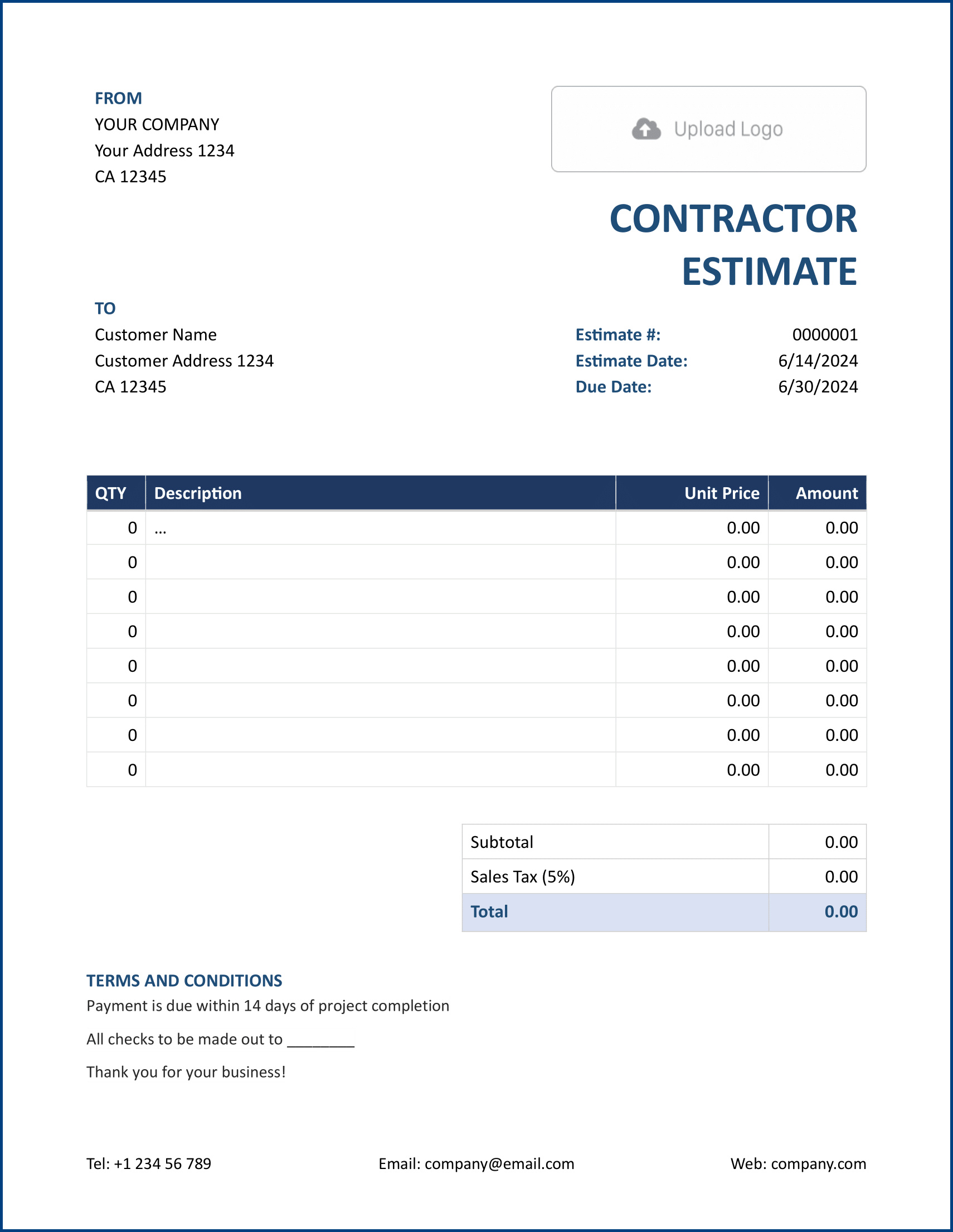
Examples:
Why Are Job Estimates Important?
1. Establishes Clear Expectations
A detailed estimate ensures that both parties understand the project scope, pricing, timeline, and deliverables before work begins. This reduces confusion and miscommunication.
2. Supports Better Budget Planning
Clients can use job estimates to evaluate whether a project fits within their financial limits. Businesses can also use estimates to forecast expenses and revenue.
3. Enhances Professionalism
Providing organized and accurate estimates demonstrates professionalism and attention to detail. This can improve client confidence and business credibility.
4. Helps Win New Business
Competitive and transparent estimates can influence purchasing decisions. Many clients choose service providers based on the clarity and fairness of their estimates.
5. Reduces Financial Risks
Accurate estimates help businesses avoid underpricing projects, unexpected costs, and reduced profit margins. They also help clients avoid hidden fees and budget overruns.
6. Encourages Transparent Communication
Estimates open discussions about pricing, materials, project adjustments, and expectations. This improves collaboration between businesses and clients.
7. Creates a Reference Document
A written estimate serves as documentation that both parties can reference during the project. This helps resolve disputes and maintain accountability.
8. Improves Project Management
By outlining costs, timelines, and resources in advance, estimates support better scheduling, resource allocation, and operational planning.
How to Create an Accurate Job Estimate
Creating an accurate job estimate requires careful analysis, detailed planning, and realistic forecasting. Businesses must evaluate project requirements thoroughly before preparing pricing information. An estimate should reflect not only direct expenses but also overhead costs, labor efficiency, profit margins, and possible project risks.
The estimating process begins with understanding the client’s needs and project expectations. Businesses should gather as much information as possible about the scope of work, site conditions, material specifications, and timeline requirements. Missing details during the planning stage can lead to inaccurate estimates and future complications.
After evaluating the project, businesses should calculate labor requirements, material quantities, equipment usage, transportation costs, subcontractor expenses, and administrative overhead. Accurate data collection is essential because even small calculation errors can significantly affect profitability.
A professional estimate should also remain realistic. While businesses may feel pressure to offer the lowest price, underestimating costs can create financial difficulties later. Sustainable pricing protects both business stability and service quality.
In addition, businesses should clearly communicate assumptions, exclusions, and potential additional costs within the estimate. Transparency helps clients understand the scope of work and prevents misunderstandings once the project begins.
How a Professional Job Estimate Should Be Structured
A well-structured job estimate improves readability, professionalism, and client confidence. Organized formatting allows clients to quickly understand project details and compare pricing information more effectively.
Each section of the estimate should provide clear and concise information that supports informed decision-making. The following structure is commonly used in professional job estimates across various industries.
1. Include Business and Client Information
The estimate should begin with company details such as business name, address, contact information, and logo if applicable. Client information, including name and project location, should also be included.
This creates professionalism and ensures accurate documentation for both parties.
2. Add an Estimate Number and Date
Each estimate should contain a unique estimate number for tracking and recordkeeping purposes. Including the preparation date also helps maintain organized business records.
This is particularly important for companies managing multiple projects simultaneously.
3. Describe the Scope of Work
A detailed project description explains exactly what services will be provided. This section should outline tasks, deliverables, materials, and project expectations clearly.
Specific descriptions help avoid misunderstandings and establish accountability.
4. Provide Itemized Costs
Itemized pricing allows clients to see how costs are distributed across labor, materials, equipment, permits, subcontractors, and other project expenses.
Transparency in pricing builds trust and improves client confidence in the estimate.
5. Include Estimated Timeline
Clients want to know when work will begin and how long the project is expected to take. Providing estimated timelines helps manage expectations and supports scheduling coordination.
Businesses should remain realistic when projecting completion dates.
6. Explain Terms and Conditions
The estimate should include payment terms, deposit requirements, warranty information, cancellation policies, and limitations related to pricing adjustments.
Clear terms reduce disputes and improve professional accountability.
7. Mention Potential Additional Costs
Some projects involve unpredictable variables that may affect final pricing. Businesses should explain conditions that could result in additional charges.
This transparency helps clients understand that certain factors may change during project execution.
8. End With Approval and Signature Sections
Many professional estimates include spaces for client approval signatures. This confirms that the client understands and accepts the proposed project terms.
Signed estimates may also provide legal protection in certain business situations.
Tips for Successful Job Estimates
Preparing successful job estimates requires a combination of technical knowledge, communication skills, financial awareness, and industry experience. Businesses that consistently deliver accurate and professional estimates are more likely to build strong client relationships and maintain long-term profitability.
The following strategies can help improve the quality, accuracy, and effectiveness of job estimates across different industries and project types.
- Gather Complete Project Information. Thoroughly understanding the client’s needs and project scope is essential for preparing accurate estimates.
- Use Detailed Cost Calculations. Include labor, materials, equipment, overhead, taxes, and contingency expenses to avoid underestimating costs.
- Remain Transparent. Clearly explain pricing, exclusions, assumptions, and possible additional fees to reduce misunderstandings.
- Keep Estimates Organized. Professional formatting improves readability and demonstrates attention to detail.
- Review and Double-Check Numbers. Calculation errors can damage profitability and client trust, so all figures should be verified carefully.
- Update Pricing Regularly. Material costs, labor rates, and market conditions change frequently, making regular updates essential for estimate accuracy.
Conclusion
A job estimate is far more than a simple pricing document. It is a professional communication tool that establishes trust, defines project expectations, supports financial planning, and strengthens client relationships. By outlining projected costs, timelines, labor requirements, and project scope before work begins, estimates provide clarity and confidence for both businesses and customers.
In modern business environments, clients expect transparency and professionalism from service providers. A detailed and organized estimate demonstrates that a company understands the project, values clear communication, and operates with professionalism. This can significantly improve a business’s ability to win contracts and build long-term customer loyalty.
For businesses, accurate estimating is essential for maintaining profitability and operational efficiency. Effective estimates help allocate resources, manage risks, and avoid costly project overruns. They also create a framework for negotiation and project management, reducing misunderstandings and improving collaboration throughout the project lifecycle.
Ultimately, successful job estimating combines technical accuracy with strong communication and strategic planning. Businesses that invest time and effort into creating professional estimates are better positioned to deliver successful projects, satisfy clients, and achieve sustainable growth in competitive markets.
