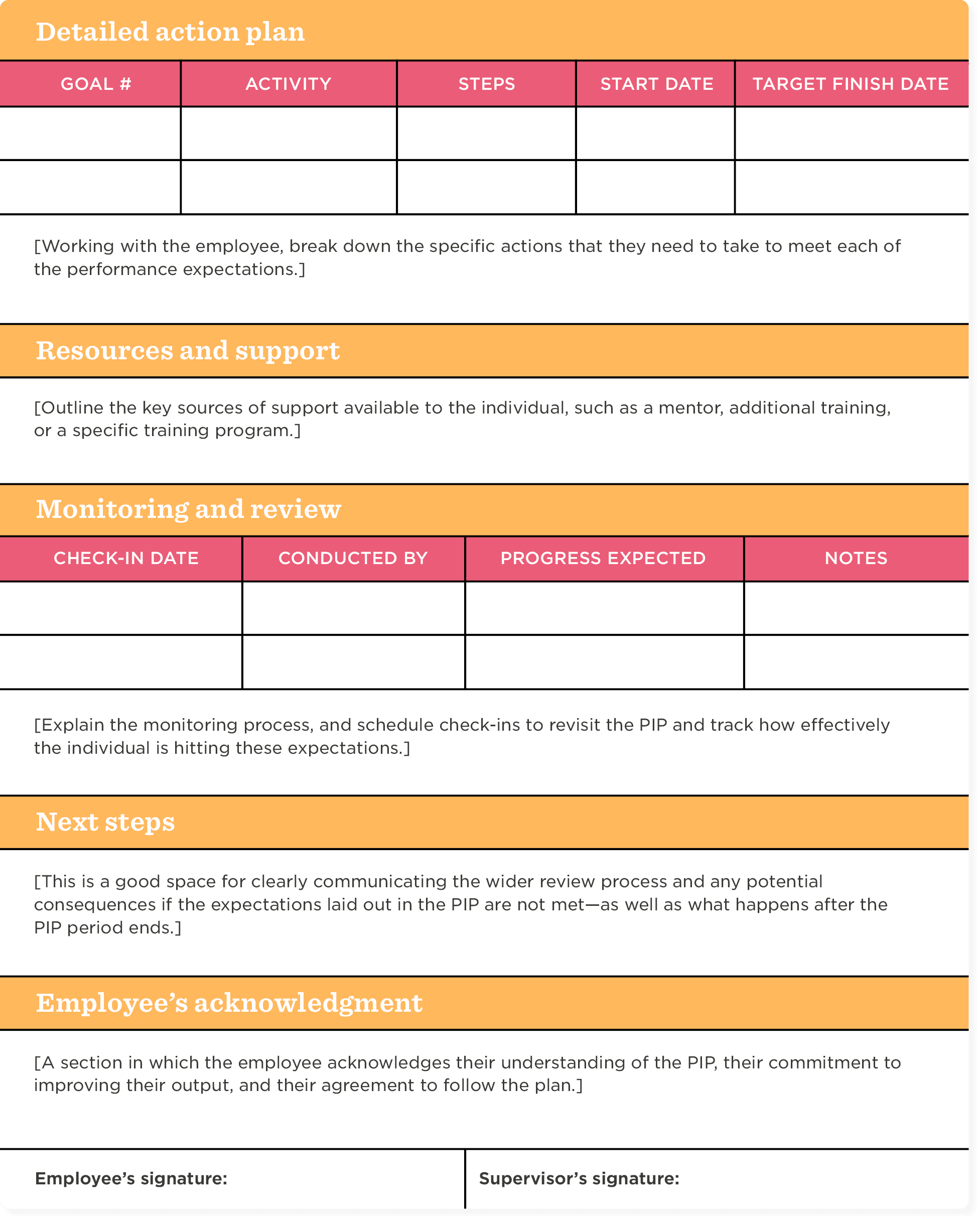
Performance Improvement Plans (PIPs) are a structured process designed to help employees overcome performance deficiencies and meet expected job standards. PIPs provide a clear roadmap with specific goals, timelines, and support resources to guide employees towards improvement. This formal process is essential for addressing performance issues in a fair and constructive manner, ultimately helping employees reach their full potential within the organization.
What Is a Performance Improvement Plan (PIP)?
A Performance Improvement Plan (PIP) is a formal document that outlines specific performance issues and expectations for improvement. It is typically created by a manager or HR professional in collaboration with the employee in question. The PIP serves as a roadmap for the employee, detailing areas of improvement, goals to be achieved, timelines for progress, and support resources available to help them succeed.
- Clear Expectations: A PIP clearly outlines the performance issues that need to be addressed and the expectations for improvement.
- Specific Goals: The PIP sets specific, measurable goals that the employee must achieve within a given timeframe.
- Support Resources: PIPs often include resources such as training, coaching, or mentoring to help the employee improve.
Why Are PIPs Important?
Performance Improvement Plans are important for several reasons. Firstly, they provide a formal and structured process for addressing performance issues in a fair and consistent manner. PIPs also give employees a clear understanding of what is expected of them and the support available to help them succeed. By setting specific goals and timelines, PIPs help employees focus on areas of improvement and track their progress towards meeting job standards.
- Employee Development: PIPs can be a valuable tool for employee development, helping individuals identify areas for growth and improvement.
- Legal Protection: Implementing a PIP can provide legal protection for the organization in case of future disputes or termination.
- Performance Accountability: PIPs hold employees accountable for their performance and provide a framework for measuring progress.
Legal Considerations When Implementing a PIP
When implementing a Performance Improvement Plan, it is important to consider legal implications to ensure fairness and compliance. Organizations must follow established policies and procedures, provide clear documentation of performance issues, and offer support resources to help employees meet expectations. It is also crucial to communicate openly and transparently with employees throughout the PIP process, providing feedback, guidance, and opportunities for improvement.
1. Compliance with Employment Laws
Employers must ensure that PIPs comply with relevant employment laws and regulations to avoid potential legal issues.
2. Documentation and Communication
Proper documentation of performance issues and communication with the employee are essential for a successful PIP implementation.
3. Fair Treatment
Employees must be treated fairly and given the opportunity to improve their performance before any potential disciplinary actions are taken.
4. Confidentiality
Confidentiality should be maintained throughout the PIP process to protect the employee’s privacy and reputation.
5. Review and Evaluation
Regular reviews and evaluations of the employee’s progress are necessary to determine the effectiveness of the PIP and make any necessary adjustments.
6. Termination Considerations
If the employee fails to meet the goals outlined in the PIP, termination may be considered as a last resort, following proper procedures and documentation.
7. Consultation with HR
HR professionals can provide guidance and support in implementing PIPs and ensuring compliance with legal requirements.
Where to Start with a Performance Improvement Plan
Implementing a Performance Improvement Plan starts with identifying the performance issues that need to be addressed. Managers should have open and honest conversations with employees to discuss areas of improvement and collaboratively create a PIP that outlines specific goals, timelines, and support resources. Setting clear expectations and providing ongoing feedback are key to the success of a PIP.
Key Components of an Effective PIP
An effective Performance Improvement Plan should include the following key components:
- Clear Performance Issues: Clearly identify the specific performance issues that need improvement.
- Measurable Goals: Set specific, measurable goals that the employee must achieve to demonstrate improvement.
- Timeline for Progress: Establish a timeline for achieving goals and regular checkpoints to track progress.
- Support and Resources: Provide access to training, coaching, or other resources to help the employee succeed.
- Feedback and Communication: Maintain open communication and provide feedback to ensure the employee stays on track.
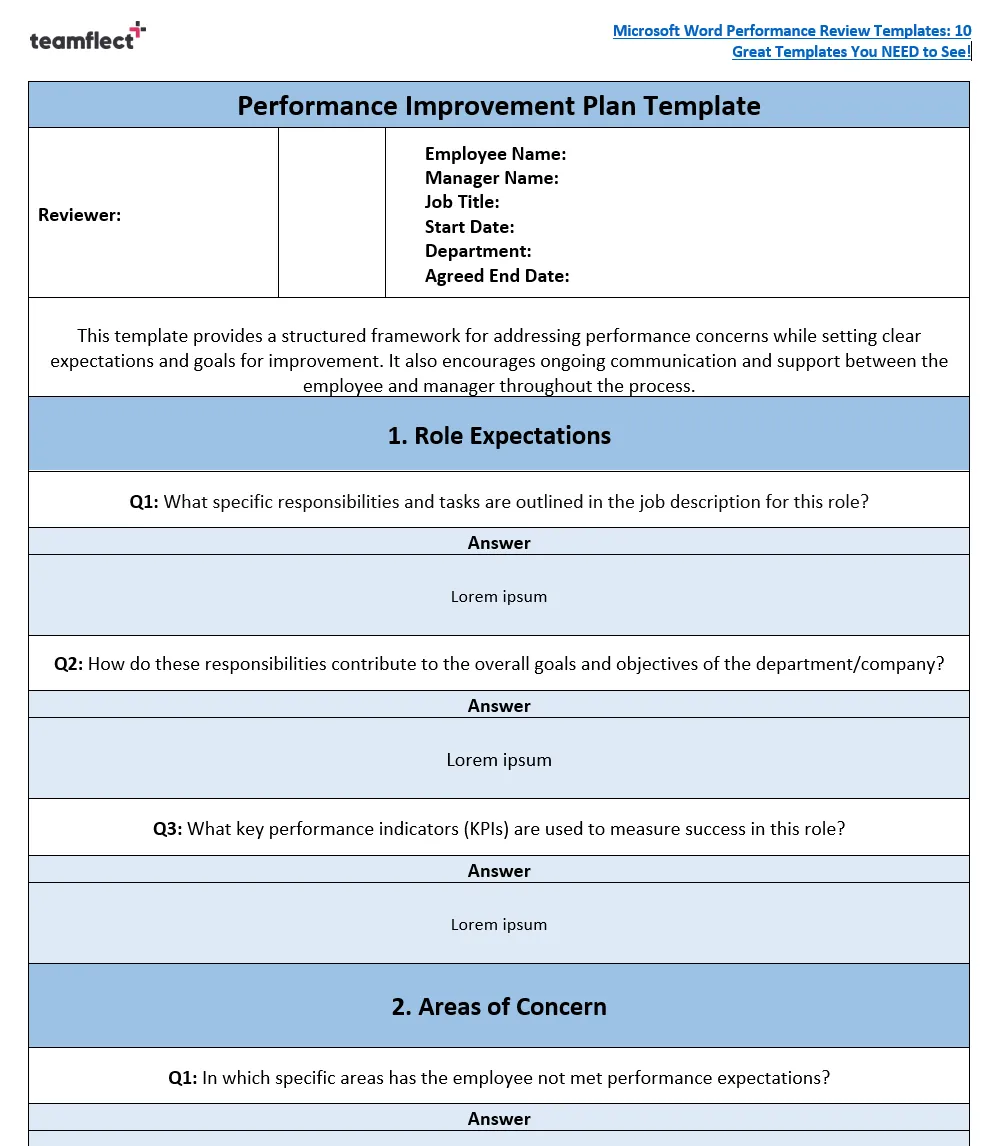
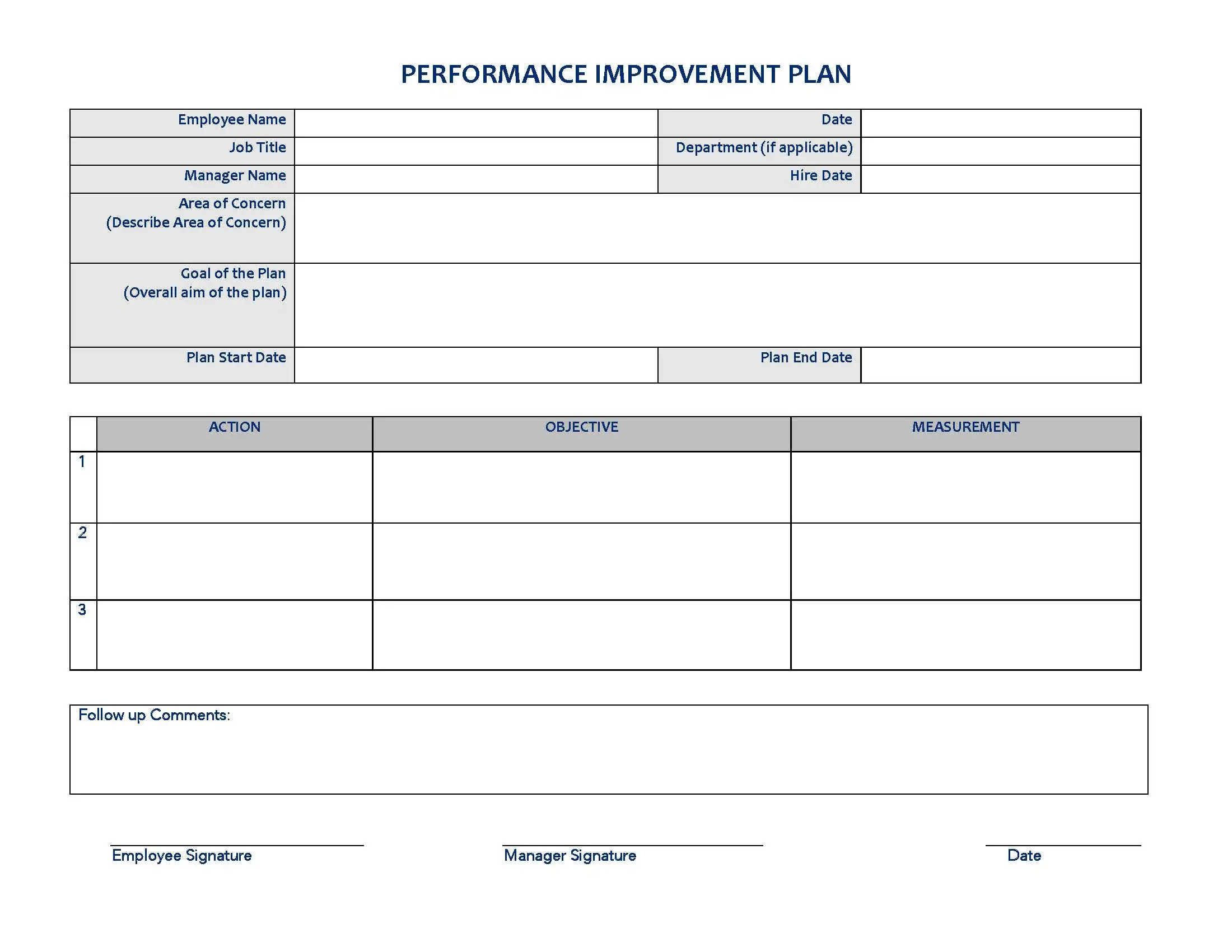
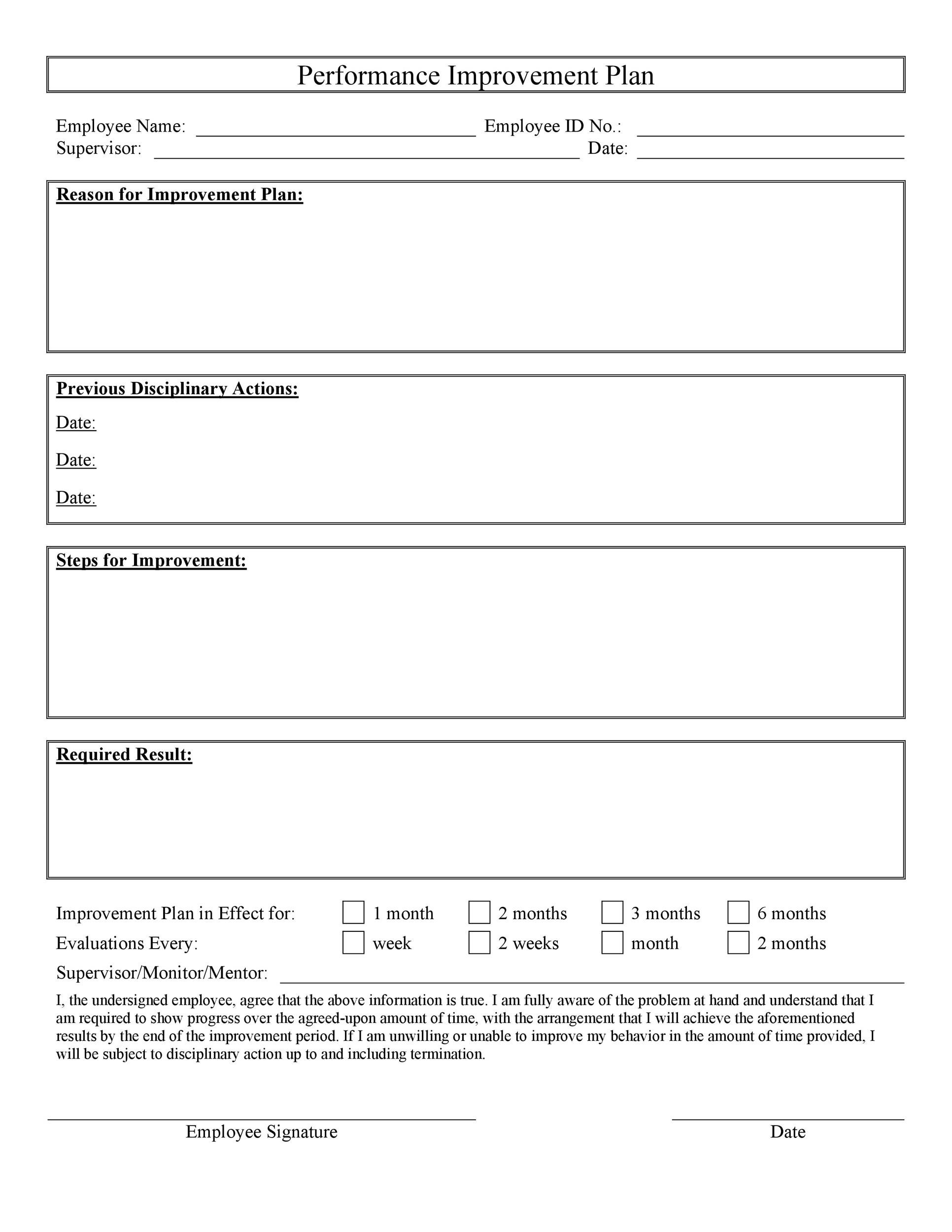
Examples
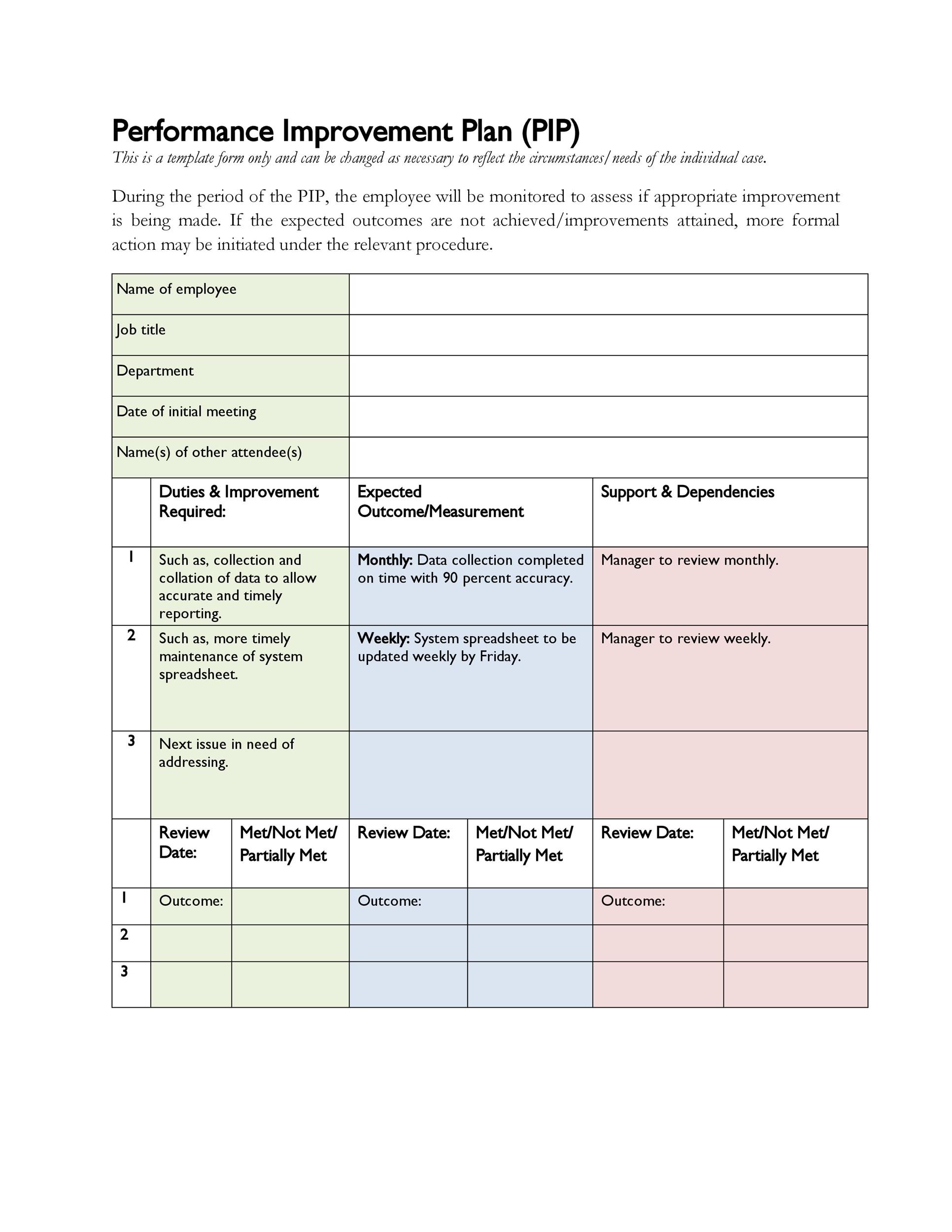
Tips for Successfully Implementing and Monitoring Your PIP
Successfully implementing and monitoring a Performance Improvement Plan requires careful planning and communication. Here are some tips to help you effectively manage the PIP process:
- Set Clear Expectations: Clearly communicate the expectations for improvement and the consequences of not meeting them.
- Provide Support: Offer resources and support to help the employee achieve their goals.
- Monitor Progress: Regularly review and evaluate the employee’s progress towards meeting the goals outlined in the PIP.
- Provide Feedback: Offer constructive feedback and guidance to help the employee stay on track and make necessary adjustments.
- Adjust as Needed: Be flexible and willing to adjust the PIP as needed based on the employee’s progress and feedback.
- Recognize Improvement: Acknowledge and celebrate the employee’s achievements and improvements to maintain motivation and morale.
In conclusion, Performance Improvement Plans are a valuable tool for addressing performance deficiencies and helping employees reach their full potential. By following a structured process, setting clear goals, and providing support resources, organizations can help employees overcome challenges and improve their performance. With proper planning, communication, and monitoring, PIPs can be an effective strategy for enhancing employee performance and driving organizational success.
Performance Improvement Plan Template
