Managing payroll is a critical aspect of running a successful business. One key element of this process is establishing a clear and consistent payroll schedule. A payroll schedule helps define the regular timeline for paying employees, which not only aids in managing cash flow but also ensures timely compensation for staff. In addition, having a set schedule simplifies accounting, ensures compliance with labor laws regarding pay frequency, and allows employees to budget and plan their finances more effectively.
What is a Payroll Schedule?
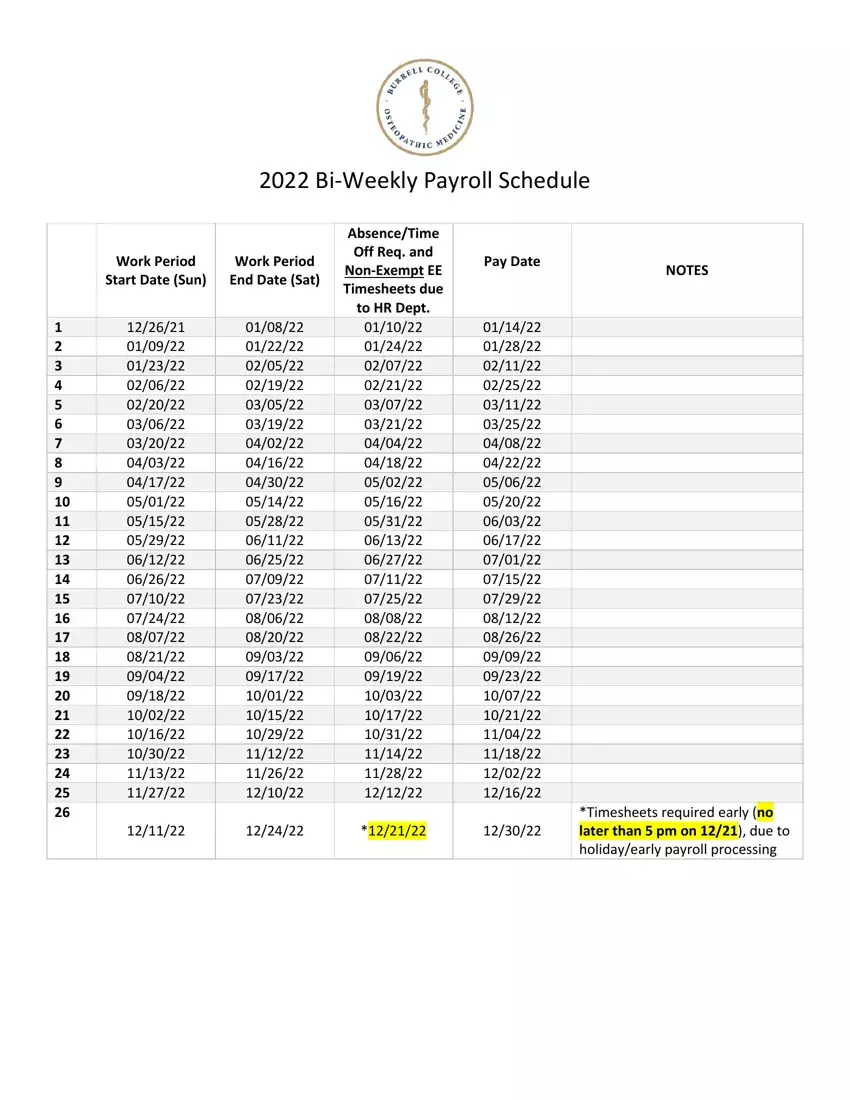
A payroll schedule is a predetermined timeline that outlines when employees will receive their pay. This schedule typically includes details such as the pay period start and end dates, the payday, and any relevant deadlines for submitting timesheets or other payroll-related information. Establishing a clear and consistent payroll schedule is essential for maintaining financial stability within a business and ensuring that employees are compensated in a timely manner.
Why is a Payroll Schedule Important?
A well-defined payroll schedule offers several benefits for both businesses and employees:
- Managing Cash Flow: By setting a regular payroll schedule, businesses can better plan and manage their cash flow, ensuring they have enough funds available to meet payroll obligations.
- Timely Compensation: Employees rely on consistent paydays to meet their financial obligations. A defined payroll schedule helps ensure that employees are paid on time, every time.
- Accounting Simplification: A regular payroll schedule simplifies the accounting process by providing a clear timeline for tracking and recording payroll expenses.
- Compliance with Labor Laws: Many labor laws dictate how often employees must be paid. Adhering to a set payroll schedule helps ensure compliance with these regulations.
- Financial Planning for Employees: Knowing when they will be paid allows employees to budget and plan their finances more effectively, reducing financial stress and uncertainty.
What to Include in a Payroll Schedule
When creating a payroll schedule for your business, be sure to include the following key elements:
- Pay Period Dates: Clearly define the start and end dates for each pay period.
- Payday: Specify the date on which employees will receive their pay.
- Submission Deadlines: Establish deadlines for employees to submit timesheets or other payroll-related information.
- Payment Methods: Outline the methods by which employees will receive their pay, such as direct deposit or physical checks.
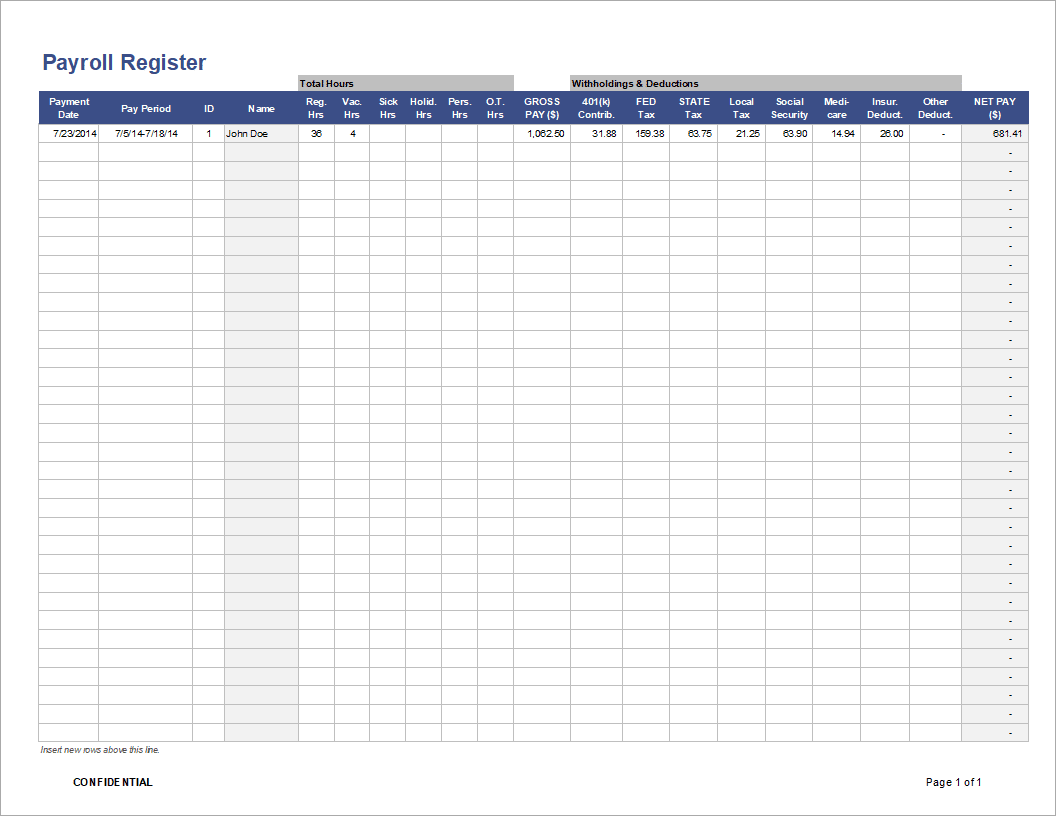
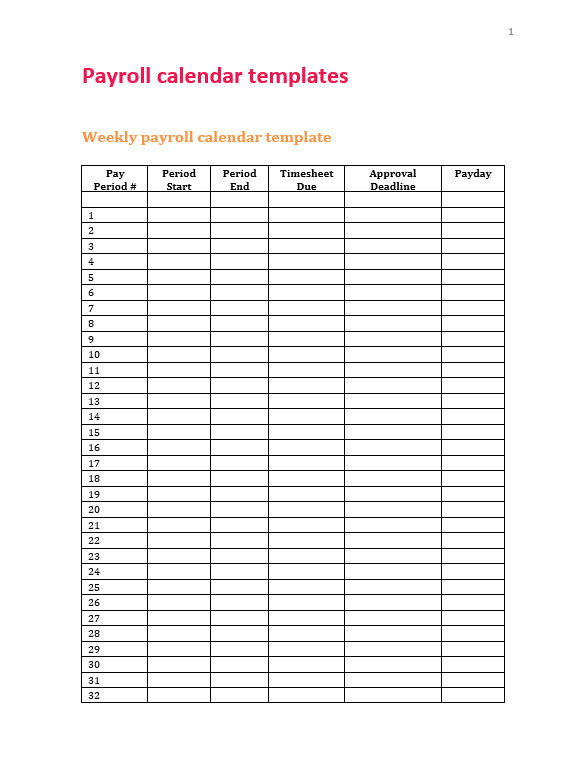
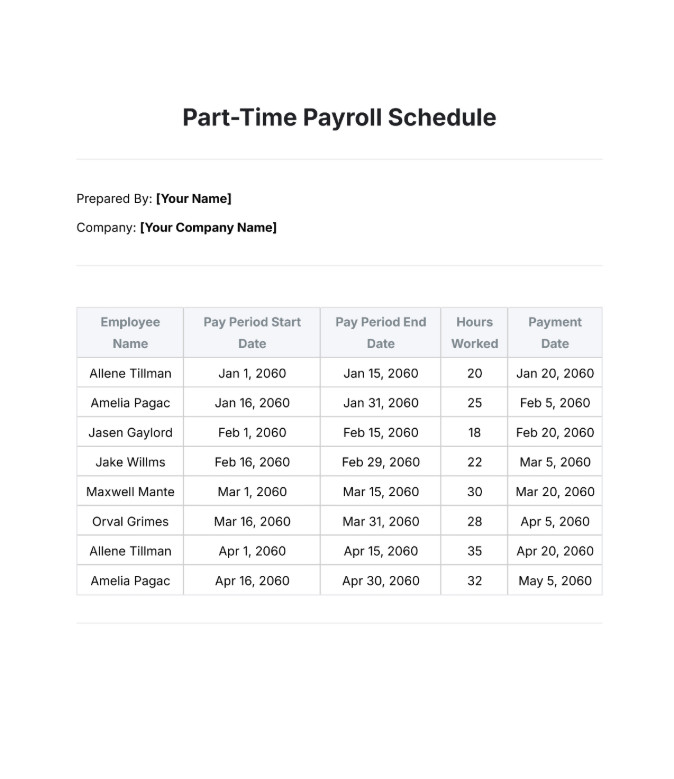
Examples
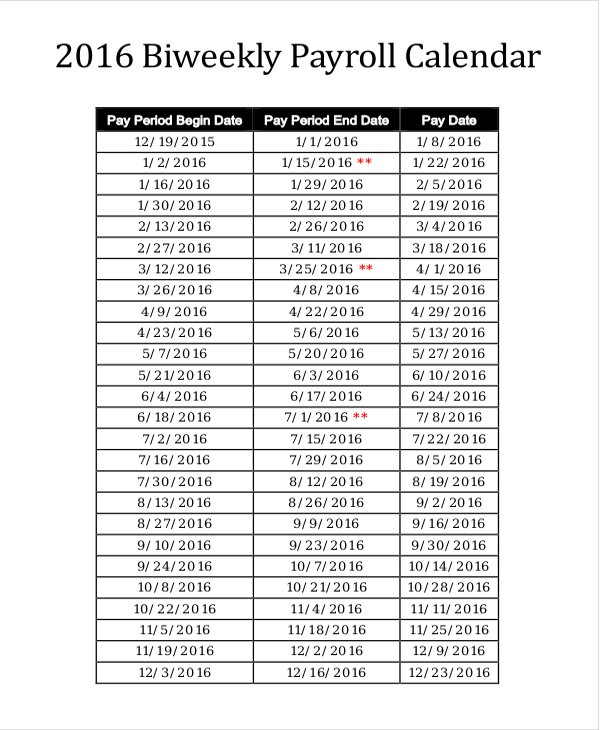
How to Establish a Payroll Schedule
Creating a payroll schedule involves several steps:
1. Determine Pay Periods:
Decide on the frequency of pay periods, whether they will be weekly, bi-weekly, semi-monthly, or monthly.
2. Set Paydays:
Select specific dates for paydays that align with your business’s financial calendar and employee needs.
3. Communicate with Employees:
Clearly communicate the payroll schedule to employees, including pay period dates, paydays, and submission deadlines.
4. Automate Payroll Processes:
Consider using payroll software to streamline the payroll process and ensure accuracy and efficiency.
5. Monitor and Adjust as Needed:
Regularly review the payroll schedule to ensure it is meeting the needs of your business and employees, and make adjustments as necessary.
6. Stay Compliant:
Stay informed about labor laws and regulations regarding pay frequency to ensure your payroll schedule remains compliant.
Tips for Successful Payroll Schedule Management
Follow these tips to effectively manage your payroll schedule:
- Be Consistent: Stick to the established payroll schedule to build trust and reliability with employees.
- Plan Ahead: Anticipate any potential issues or delays that may impact the payroll process and have contingency plans in place.
- Stay Organized: Keep accurate records of payroll information and documentation to ensure compliance and efficiency.
- Seek Professional Guidance: Consider working with a payroll specialist or accountant to ensure your payroll processes are accurate and compliant.
