
Managing your finances can often feel overwhelming, with bills to pay, savings goals to meet, and unexpected expenses cropping up. One way to gain control over your money is by creating a simple budget. A budget gives you a clear, honest picture of your money, allowing you to see exactly how much you earn, spend, and have available to use. By understanding your financial situation, you can make informed decisions about your spending and saving habits, ultimately leading to a more secure financial future.
What is a Simple Budget?
A simple budget is a financial plan that outlines your income and expenses. It helps you track where your money is coming from and where it’s going, giving you a comprehensive view of your financial health. By creating a budget, you can identify areas where you may be overspending, set realistic savings goals, and ensure that you have enough money to cover your essential expenses.
Why Should You Create a Simple Budget?
There are several reasons why creating a simple budget is important for your financial well-being:
- Financial Awareness. A budget helps you understand your current financial situation, allowing you to make informed decisions about your money.
- Goal Setting. With a budget, you can set specific savings goals and track your progress towards achieving them.
- Expense Tracking. By tracking your expenses, you can identify areas where you may be overspending and make adjustments to your spending habits.
- Emergency Preparedness. A budget can help you build an emergency fund to cover unexpected expenses, providing you with financial security in times of need.
- Debt Management. With a budget, you can allocate funds towards paying off debt, helping you become debt-free faster.
Key Elements of a Simple Budget
When creating a simple budget, there are several key elements to consider:
- Income. Calculate your total monthly income, including wages, bonuses, and any other sources of income.
- Expenses. List all your monthly expenses, including fixed expenses like rent and utilities, as well as variable expenses like groceries and entertainment.
- Savings Goals. Determine how much you want to save each month and set specific goals for your savings, such as building an emergency fund or saving for a vacation.
- Emergency Fund. Allocate funds towards building an emergency fund to cover unexpected expenses, typically equivalent to three to six months’ worth of living expenses.
- Debt Repayment. If you have debt, allocate a portion of your budget towards paying off your debt, starting with high-interest debt first.
Samples of Simple Budget Template:


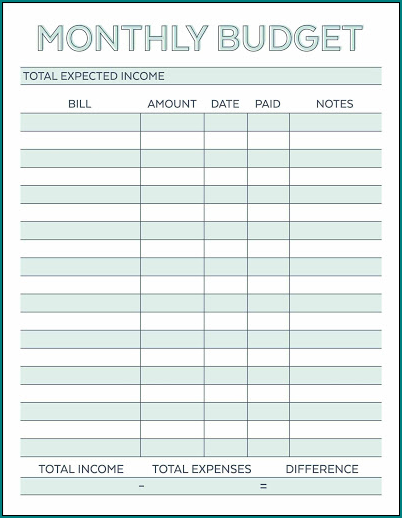
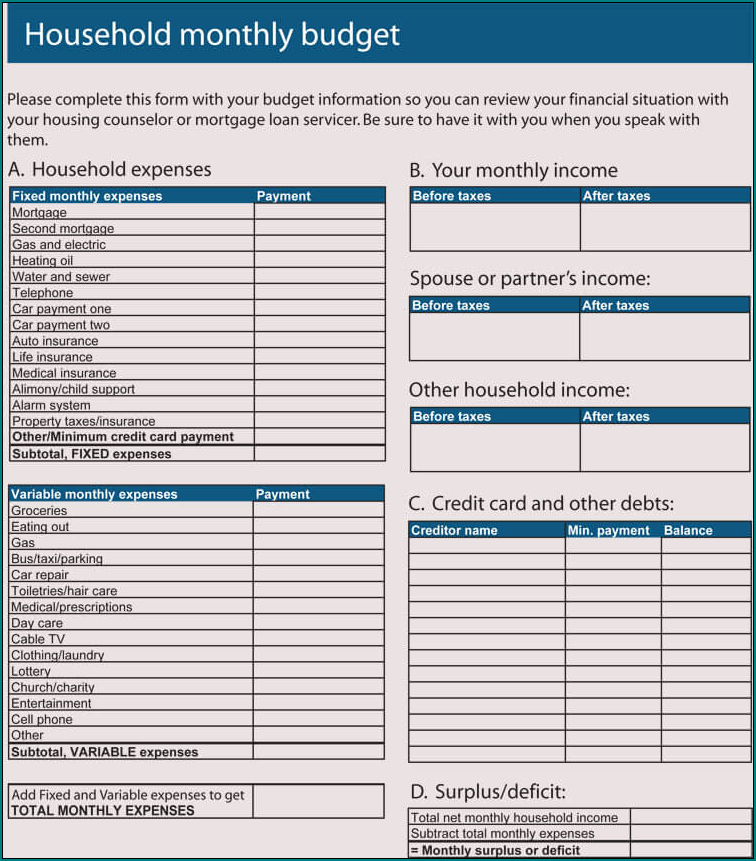
How to Create a Simple Budget
Creating a simple budget doesn’t have to be complicated. Follow these steps to get started:
1. Calculate Your Income
Start by calculating your total monthly income, including all sources of income such as wages, bonuses, and freelance work.
2. List Your Expenses
Make a list of all your monthly expenses, including fixed expenses like rent, utilities, and insurance, as well as variable expenses like groceries, dining out, and entertainment.
3. Set Savings Goals
Determine how much you want to save each month and set specific savings goals, such as building an emergency fund, saving for a down payment on a house, or planning for retirement.
4. Allocate Funds
Allocate your income towards covering your expenses, meeting your savings goals, and paying off any debt you may have. Make adjustments as needed to ensure you’re living within your means.
5. Track Your Spending
Track your spending regularly to ensure you’re sticking to your budget. Use a budgeting app or spreadsheet to monitor your expenses and make adjustments as needed.
6. Review and Adjust
Review your budget on a regular basis and make adjustments as needed. Life changes, so your budget should be flexible to accommodate unexpected expenses or changes in income.
7. Build an Emergency Fund
Allocate funds towards building an emergency fund to cover unexpected expenses, such as car repairs, medical bills, or job loss. Having an emergency fund can provide you with peace of mind knowing you’re financially prepared for any unforeseen circumstances.
8. Pay Off Debt
If you have debt, prioritize paying it off by allocating a portion of your budget towards debt repayment. Focus on high-interest debt first to reduce the amount of interest you’re paying over time.
9. Stick to Your Budget
Stay disciplined and stick to your budget to achieve your financial goals. Avoid unnecessary spending and make conscious choices about where your money goes each month.
10. Celebrate Your Progress
Celebrate your financial victories, whether it’s reaching a savings goal, paying off debt, or staying within your budget. Recognize your efforts and stay motivated to continue making smart financial decisions.
Tips for Maintaining a Simple Budget
Here are some tips to help you maintain a simple budget and achieve your financial goals:
- Automate Your Savings. Set up automatic transfers to your savings account each month to ensure you’re consistently saving towards your goals.
- Track Your Expenses. Use a budgeting app or spreadsheet to track your expenses and identify areas where you can cut back on spending.
- Avoid Impulse Purchases. Think twice before making impulse purchases and consider whether the item is a need or a want before buying.
- Plan for Irregular Expenses. Budget for irregular expenses like car maintenance, annual subscriptions, or holiday gifts to avoid surprises.
- Seek Professional Help. If you’re struggling to create or stick to a budget, consider seeking help from a financial advisor or counselor who can provide guidance and support.
- Stay Motivated. Keep your financial goals in mind and stay motivated to stick to your budget by visualizing the long-term benefits of financial stability and security.
- Review Regularly. Review your budget on a regular basis to track your progress, make adjustments as needed, and ensure you’re on track to meet your financial goals.
By creating a simple budget and staying committed to managing your finances, you can gain control over your money, reduce financial stress, and work towards a more secure financial future. Remember, a budget is a tool to empower you to make informed decisions about your money and achieve your financial goals.
Simple Budget Template | Excel download
