
Managing your finances can be a daunting task, but creating a home budget is a powerful tool that can help you take control of your money and achieve your financial goals. By tracking your income and expenses, you can gain a clear understanding of where your money is going, identify areas where you can cut back, and ultimately avoid debt. In this comprehensive guide, we will explore the importance of a home budget, the key elements to include, and how to create and stick to a budget that works for you.
What is a Home Budget?
A home budget is a financial plan that helps you track your income and expenses to ensure that you are living within your means. It provides a clear picture of your financial situation, allowing you to make informed decisions about your spending and saving habits. With a budget in place, you can avoid overspending, prioritize your financial goals, and build a solid foundation for a secure financial future.
Why Create a Home Budget?
Creating a home budget is essential for anyone looking to take control of their finances and achieve their financial goals. Here are some key reasons why you should consider creating a budget:
- Control Spending: A budget helps you track your expenses and identify areas where you can cut back, allowing you to spend your money more wisely.
- Avoid Debt: By living within your means and prioritizing your expenses, you can avoid accumulating debt and build a solid financial foundation.
- Reach Financial Goals: A budget allows you to allocate funds towards your financial goals, whether it’s saving for a house, paying off debt, or planning for retirement.
- Reduce Stress: Knowing exactly where your money is going can help reduce financial stress and anxiety, giving you peace of mind about your financial future.
Key Elements of a Home Budget
When creating a home budget, there are several key elements that you should include to ensure its effectiveness:
- Income: Start by listing all sources of income, including salaries, bonuses, investments, and any other money you receive on a regular basis.
- Expenses: Track all your expenses, including fixed costs like rent and utilities, as well as variable expenses such as groceries, entertainment, and transportation.
- Savings: Allocate a portion of your income towards savings goals, whether it’s an emergency fund, retirement savings, or a specific financial goal.
- Debt Repayment: If you have any outstanding debts, make sure to include them in your budget and allocate funds towards paying them off.
- Emergency Fund: It’s important to set aside funds for unexpected expenses or emergencies to avoid going into debt in case of unforeseen circumstances.
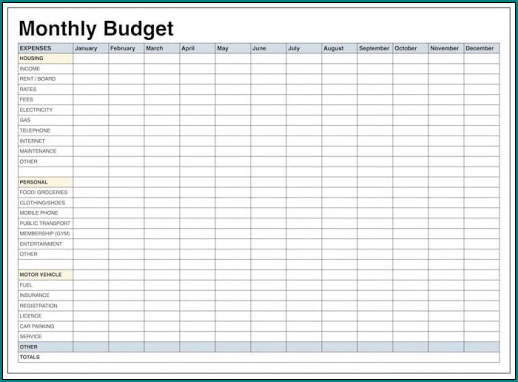
Samples of Home Budget Template:



How to Create a Home Budget
Now that you understand the importance of a home budget and the key elements to include, let’s dive into how you can create a budget that works for you:
1. Calculate Your Income
Start by calculating your total monthly income from all sources. This will give you a clear picture of how much money you have coming in each month to work with.
2. Track Your Expenses
Next, track all your expenses for a month to get a comprehensive view of where your money is going. Be sure to include both fixed and variable expenses to accurately assess your spending habits.
3. Set Financial Goals
Determine your short-term and long-term financial goals, whether it’s saving for a vacation, buying a home, or paying off debt. Allocating funds towards these goals will help you stay motivated and focused on your financial objectives.
4. Create Categories
Organize your expenses into categories such as housing, transportation, groceries, entertainment, and savings. This will help you identify areas where you can cut back and allocate funds more effectively.
5. Allocate Funds
Distribute your income among the different categories based on your priorities and financial goals. Make sure to allocate funds towards savings and debt repayment to ensure a healthy financial future.
6. Monitor and Adjust
Regularly monitor your budget to track your progress and make adjustments as needed. If you find that you are overspending in certain areas, look for ways to cut back and reallocate funds to stay on track.
7. Stick to Your Budget
Sticking to your budget is key to its success. Be disciplined about your spending habits, avoid impulse purchases, and stay focused on your financial goals to achieve long-term financial stability.
8. Review Regularly
Review your budget on a regular basis to ensure that it is still aligned with your financial goals and priorities. Make adjustments as needed to accommodate any changes in your income or expenses.
9. Seek Professional Help
If you’re struggling to create or stick to a budget, consider seeking help from a financial advisor or counselor. They can provide valuable insights and guidance to help you achieve financial success.
10. Celebrate Your Successes
Finally, celebrate your financial successes along the way. Whether it’s reaching a savings goal, paying off debt, or sticking to your budget, take the time to acknowledge and reward yourself for your hard work and discipline.
Conclusion
Creating a home budget is a powerful tool that can help you take control of your finances, avoid debt, and achieve your financial goals. By tracking your income and expenses, setting financial goals, and sticking to a budget that works for you, you can build a solid financial foundation and secure a bright financial future. Remember, financial success is within your reach – all it takes is a little planning, discipline, and determination.
