
Managing your finances can often feel overwhelming, especially when you’re juggling multiple sources of income and expenses. This is where a budget planner comes in handy, providing you with a clear, structured system to track your income, control your spending, and ultimately reach your financial goals. Whether you’re looking to save for a big purchase, pay off debt, or simply gain a better understanding of where your money is going, a budget planner can be a powerful tool in helping you achieve financial stability.
What is a Budget Planner?
A budget planner is a tool or system that helps individuals or households manage their finances by tracking income, expenses, and savings. It provides a comprehensive overview of your financial situation, allowing you to see where your money is coming from and where it is going. By creating a budget plan, you can allocate funds to different categories such as bills, groceries, entertainment, and savings, ensuring that you stay on track with your financial goals.
Why Use a Budget Planner?
There are several benefits to using a budget planner:
- Increased awareness: By tracking your income and expenses, you gain a better understanding of your spending habits and can identify areas where you can cut back.
- Financial goals: A budget planner helps you set and achieve financial goals, whether it’s saving for a vacation, buying a home, or paying off debt.
- Peace of mind: Knowing exactly where your money is going can reduce financial stress and anxiety, allowing you to feel more in control of your finances.
- Improved decision-making: With a clear overview of your finances, you can make informed decisions about how to allocate your money and plan for the future.
What to Include in a Budget Planner?
When creating a budget planner, there are several key components to include:
- Income: List all sources of income, including wages, freelance work, rental income, etc.
- Expenses: Categorize your expenses into fixed (e.g., rent, utilities) and variable (e.g., groceries, entertainment).
- Savings: Allocate a portion of your income to savings goals such as emergency fund, retirement, or short-term savings.
- Debt: Include any outstanding debts you have and create a plan to pay them off.
- Goals: Set specific financial goals such as saving a certain amount each month or paying off a credit card.
Samples of Budget Planner Template:
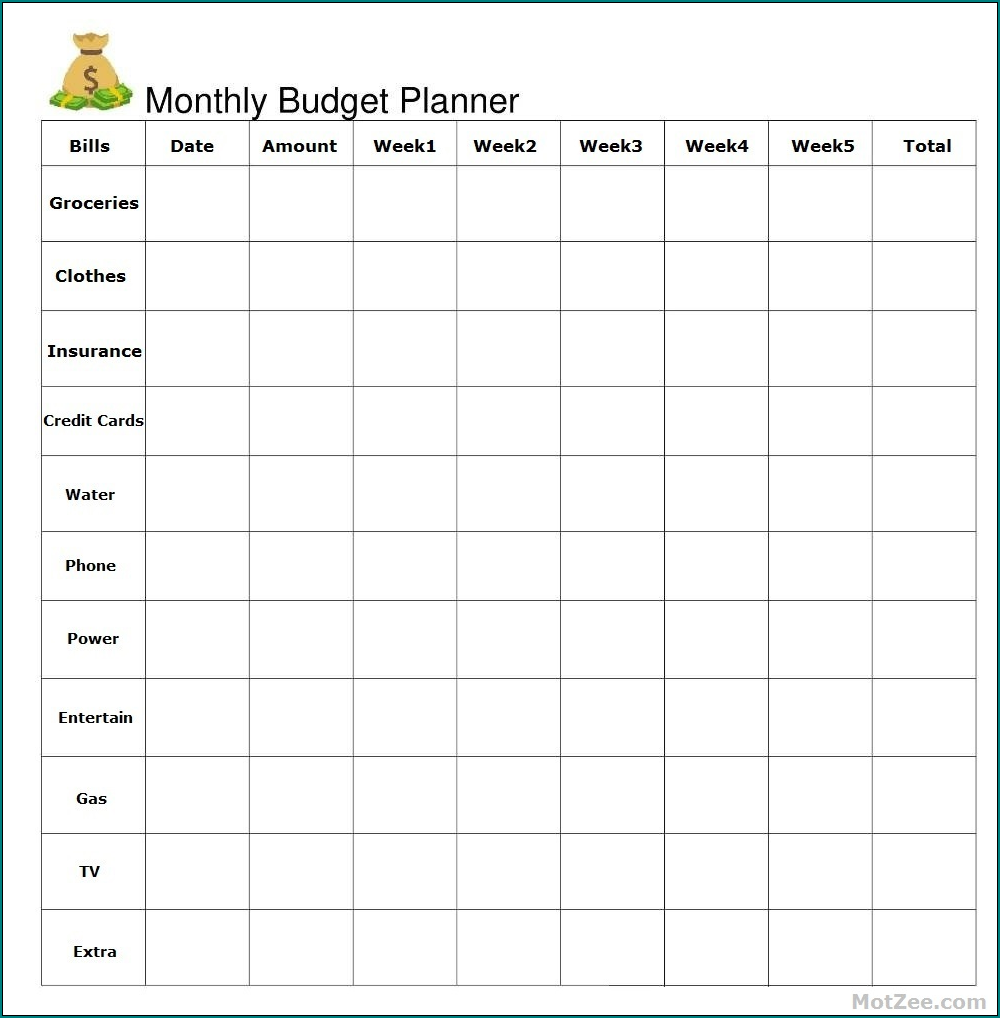

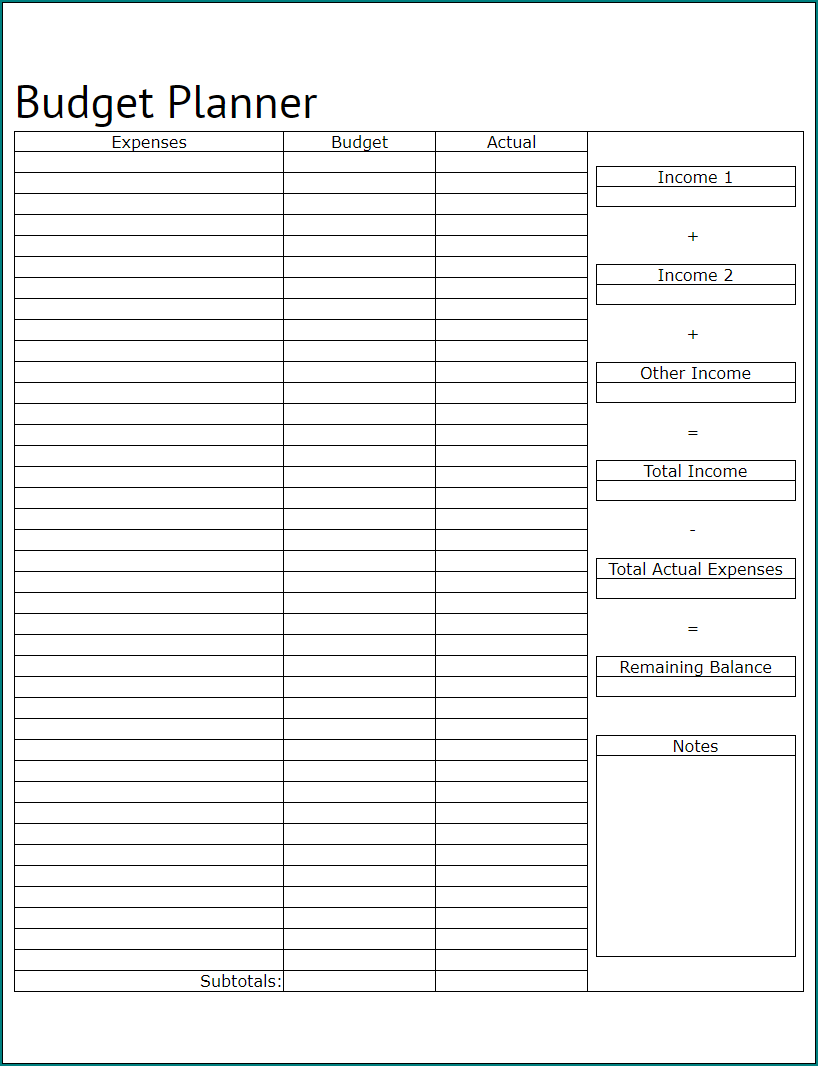

How to Create a Budget Planner?
Follow these steps to create a budget planner:
- Gather your financial information: Collect all your bank statements, bills, and receipts to get a clear picture of your finances.
- Set financial goals: Determine what you want to achieve with your budget planner, whether it’s saving for a vacation or paying off debt.
- Create categories: Divide your expenses into categories such as housing, transportation, groceries, and entertainment.
- Track your income and expenses: Record all sources of income and track your spending to see where your money is going.
- Review and adjust: Regularly review your budget planner and make adjustments as needed to stay on track with your financial goals.
Tips for Successful Budget Planning
Here are some tips to help you succeed with your budget planner:
- Be realistic: Set achievable financial goals and be honest about your spending habits.
- Track your spending: Keep a detailed record of your expenses to identify areas where you can cut back.
- Automate savings: Set up automatic transfers to your savings account to ensure you reach your savings goals.
- Review regularly: Check in on your budget planner weekly or monthly to make sure you’re staying on track.
- Seek support: Share your financial goals with a friend or family member for accountability and encouragement.
Conclusion
A budget planner is an essential tool for anyone looking to take control of their finances and reach their financial goals. By tracking your income, controlling your spending, and setting clear financial objectives, you can create a roadmap to financial success. Remember to be consistent, realistic, and proactive in managing your budget planner to achieve the desired results. With dedication and commitment, you can pave the way to a secure financial future.
Budget Planner Template | Excel download
