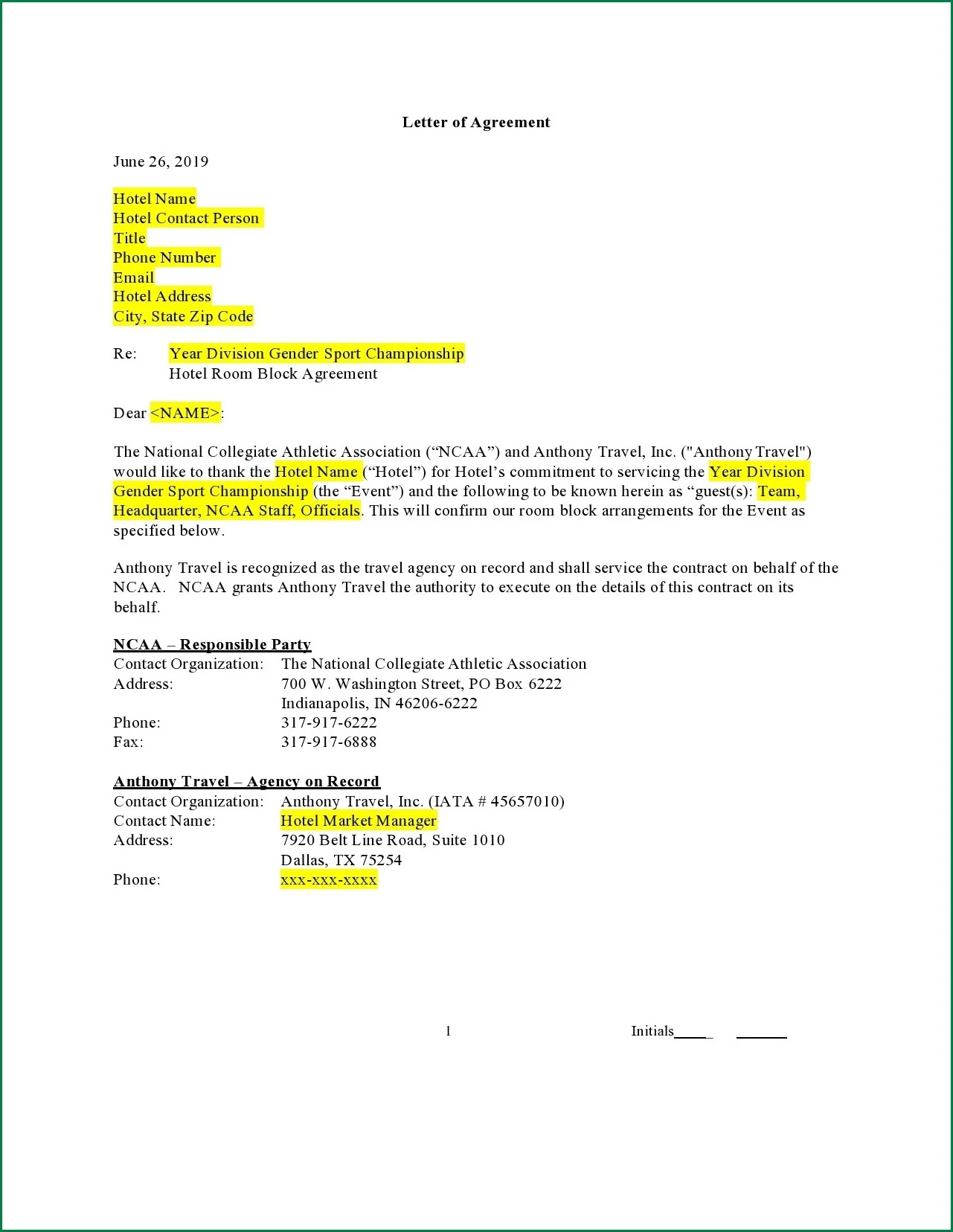
When it comes to formalizing agreements between parties, a letter of agreement plays a crucial role in laying down the foundation for a successful partnership. This written document serves as a record of the terms and conditions agreed upon by all parties involved, providing clarity and structure to the relationship.
Whether it’s a business deal, a freelance project, or a partnership agreement, a letter of agreement ensures that everyone is on the same page from the start.
What Is a Letter of Agreement?
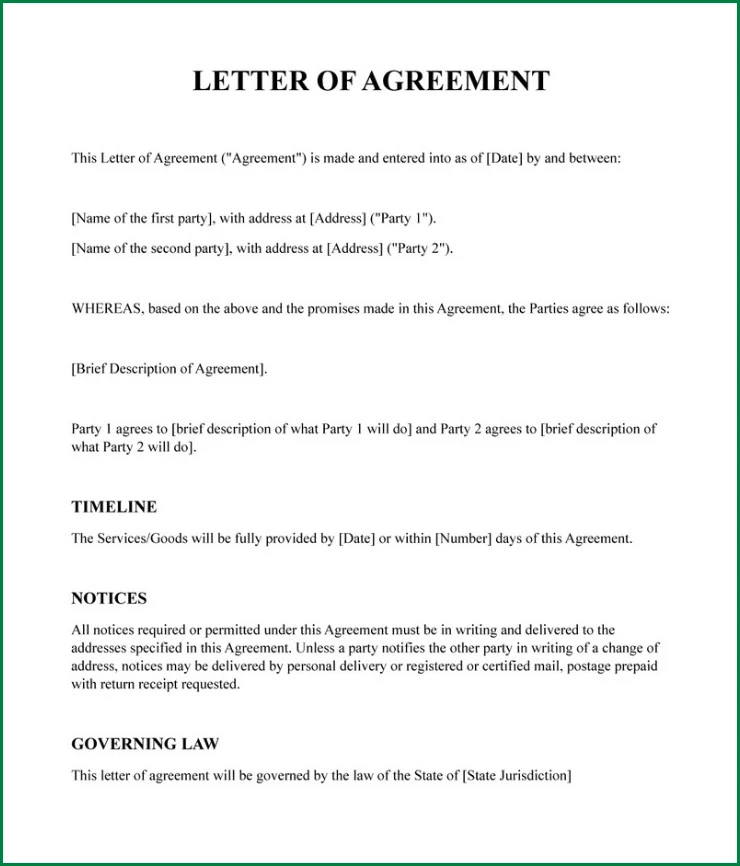
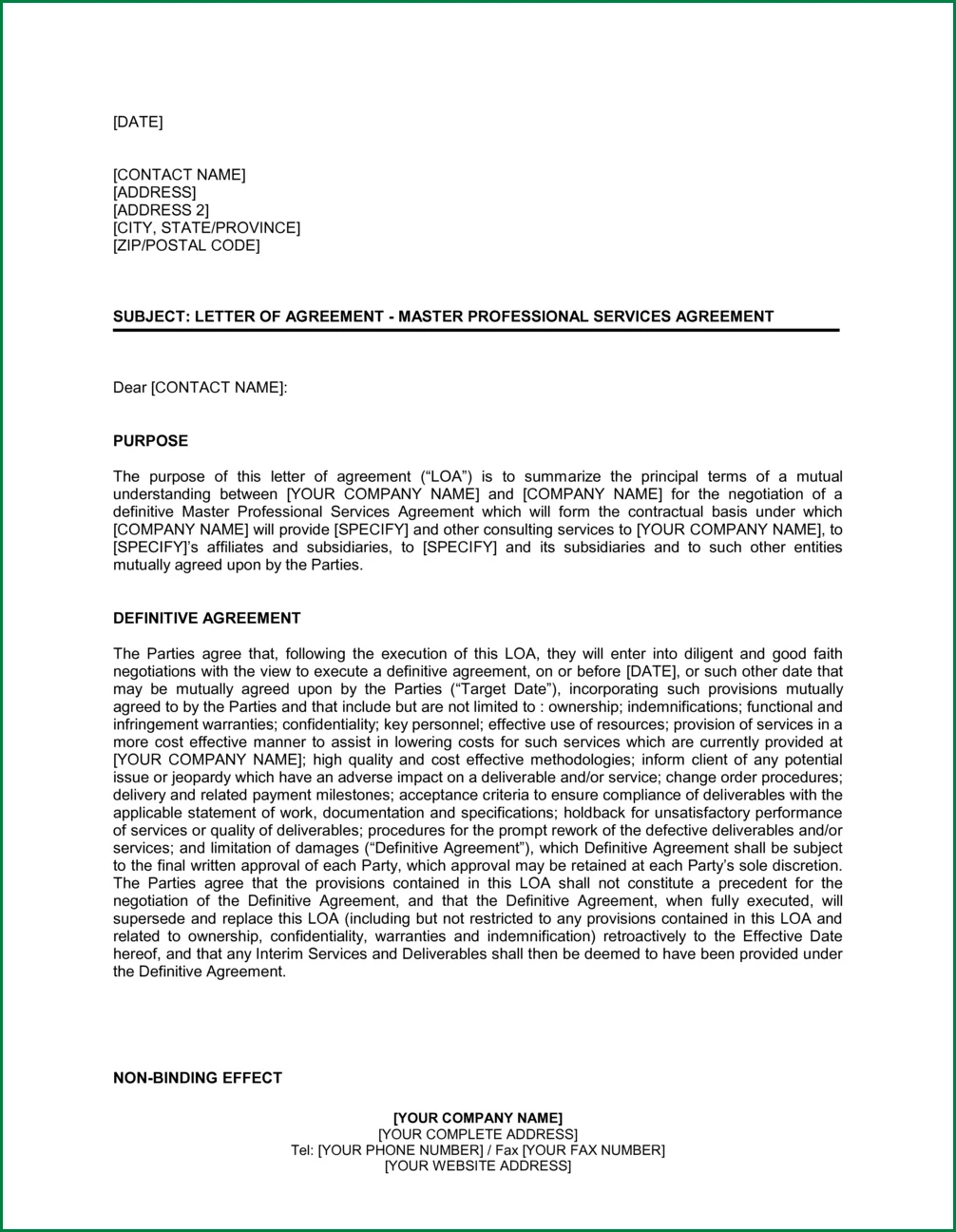
A letter of agreement, also known as a memorandum of understanding (MOU) or a letter of intent (LOI), is a document that outlines the terms and conditions of an agreement between two or more parties. It serves as a preliminary contract that clarifies the expectations and responsibilities of each party before a more formal agreement is drafted.
This written record helps to prevent misunderstandings and disputes by clearly defining the scope of the agreement.
Benefits of Using a Letter of Agreement
There are several benefits to using a letter of agreement in business and personal dealings:
- Clarity: A letter of agreement provides a clear and concise record of the agreement, ensuring that all parties understand their roles and responsibilities.
- Legal Protection: By documenting the terms of the agreement in writing, the parties involved have legal recourse in case of a breach of contract.
- Prevention of Disputes: By addressing potential issues upfront, a letter of agreement helps to prevent misunderstandings and disputes down the line.
- Professionalism: Using a letter of agreement shows professionalism and commitment to the partnership, setting a positive tone for the relationship.
- Flexibility: A letter of agreement can be tailored to suit the specific needs of each agreement, making it a versatile tool for different types of deals.
When Should You Use a Letter of Agreement?
A letter of agreement can be used in a variety of situations, including:
- Freelance Work: When hiring a freelancer for a project, a letter of agreement can outline the scope of work, deadlines, and payment terms.
- Business Partnerships: Before entering into a partnership with another business or individual, a letter of agreement can establish the terms of the partnership.
- Service Agreements: When engaging the services of a contractor or service provider, a letter of agreement can specify the services to be provided and the payment terms.
- Collaborations: When collaborating on a project with another party, a letter of agreement can outline the roles and responsibilities of each party.
Key Elements of a Letter of Agreement
When drafting a letter of agreement, several key elements should be included:
- Parties Involved: Clearly identify all parties involved in the agreement, including their names and contact information.
- Scope of Work: Define the scope of work or services to be provided, including timelines and deliverables.
- Payment Terms: Specify the payment terms, including the amount to be paid, payment schedule, and any applicable taxes or fees.
- Confidentiality: Include a confidentiality clause to protect sensitive information shared during the agreement.
- Termination Clause: Outline the conditions under which the agreement can be terminated by either party.
How to Write a Letter of Agreement
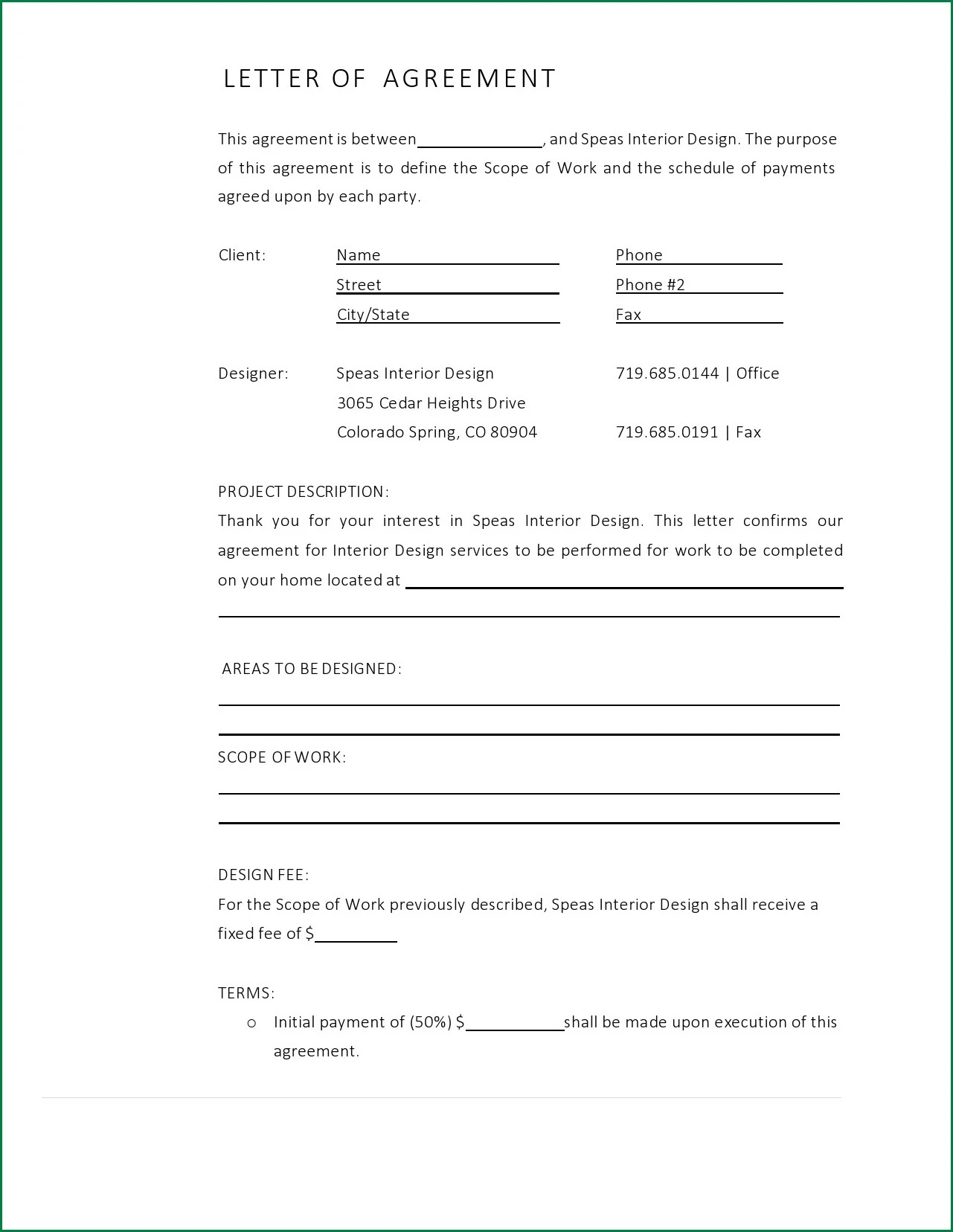
When writing a letter of agreement, follow these steps to ensure a clear and comprehensive document:
1. Clearly Define the Parties Involved
Start by clearly identifying all parties involved in the agreement, including their full names, contact information, and roles in the partnership.
2. Outline the Scope of Work
Define the scope of work or services to be provided, including specific details such as deadlines, deliverables, and any other relevant information.
3. Specify Payment Terms
Clearly outline the payment terms, including the total amount to be paid, payment schedule, and any additional fees or expenses.
4. Include Confidentiality Clauses
Protect sensitive information by including a confidentiality clause that prohibits the sharing of confidential information without consent.
5. Define Termination Conditions
Outline the conditions under which the agreement can be terminated, including notice periods and any penalties for early termination.
6. Seek Legal Advice
If you’re unsure about any aspect of the agreement, consider seeking legal advice to ensure that all terms are legally binding and enforceable.
7. Review and Sign
Before finalizing the agreement, review it carefully to ensure that all terms are accurate and complete. Once both parties are satisfied, sign the document to make it legally binding.
In Conclusion
A letter of agreement serves as a valuable tool in formalizing agreements between parties, providing clarity, structure, and legal protection to all parties involved. By clearly outlining the terms and conditions of the agreement, a letter of agreement helps to prevent misunderstandings, disputes, and potential legal issues. Whether you’re entering into a business partnership, hiring a freelancer, or collaborating on a project, a letter of agreement is an essential document that sets the foundation for a successful partnership.
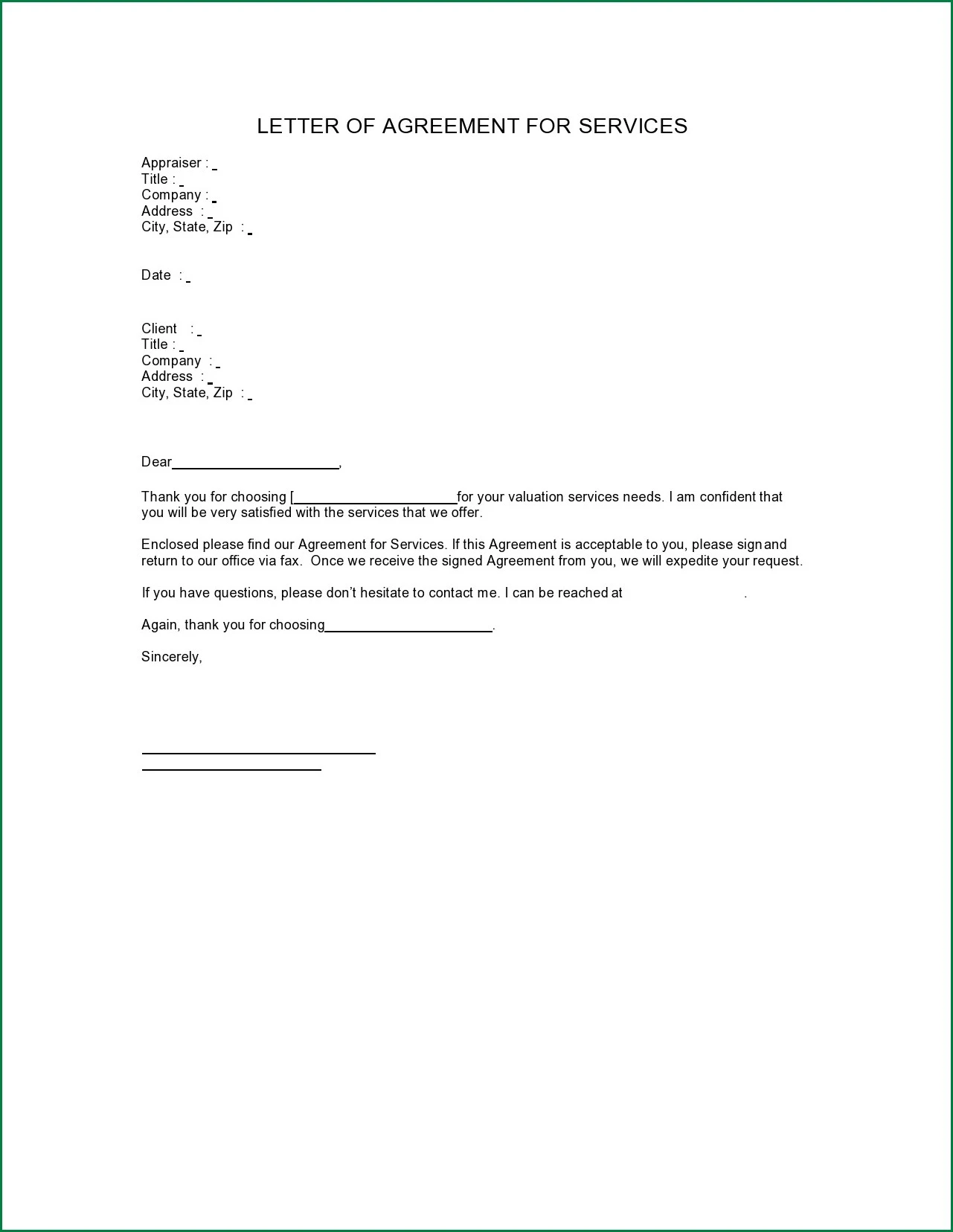
Letter of Agreement Template – Word
