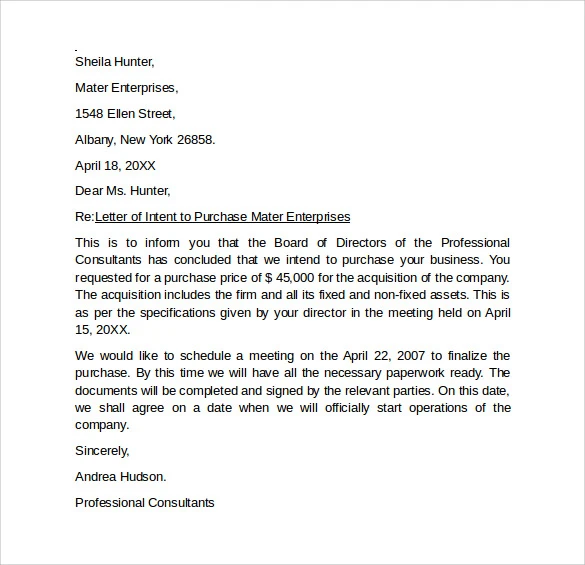
In the world of business acquisitions, the letter of intent (LOI) plays a crucial role in setting the stage for a potential transaction between a buyer and a seller.
This preliminary agreement outlines the key terms of the deal before a formal, legally binding contract is drawn up. It serves as a roadmap for negotiations, clarifies the intentions of both parties, and helps avoid misunderstandings as the acquisition process moves forward.
What Is a Letter of Intent?
A letter of intent (LOI) is a document that outlines the key terms of a potential business acquisition before a formal contract is created. It is not a legally binding agreement, but rather a roadmap for negotiations between the buyer and the seller. The LOI serves as a framework for the acquisition process, helping both parties understand each other’s intentions and expectations.
When drafting a letter of intent, it is essential to include specific details such as the purchase price, payment terms, due diligence period, exclusivity period, and any conditions that must be met for the deal to proceed. The LOI is a critical first step in the acquisition process, as it sets the tone for the negotiations that will follow.
Purpose of a Letter of Intent
The primary purpose of a letter of intent is to establish a framework for negotiations between the buyer and the seller. By outlining the key terms of the potential transaction, the LOI helps both parties understand each other’s intentions and expectations. It also serves as a roadmap for the acquisition process, helping to avoid misunderstandings and conflicts as the deal progresses.
From the buyer’s perspective, the LOI allows them to express their interest in acquiring the business and to outline the terms under which they are willing to proceed with the transaction. For the seller, the LOI provides a clear understanding of what the buyer is offering and helps them assess whether the deal is favorable. Overall, the letter of intent helps streamline the acquisition process and facilitates a smoother transaction.
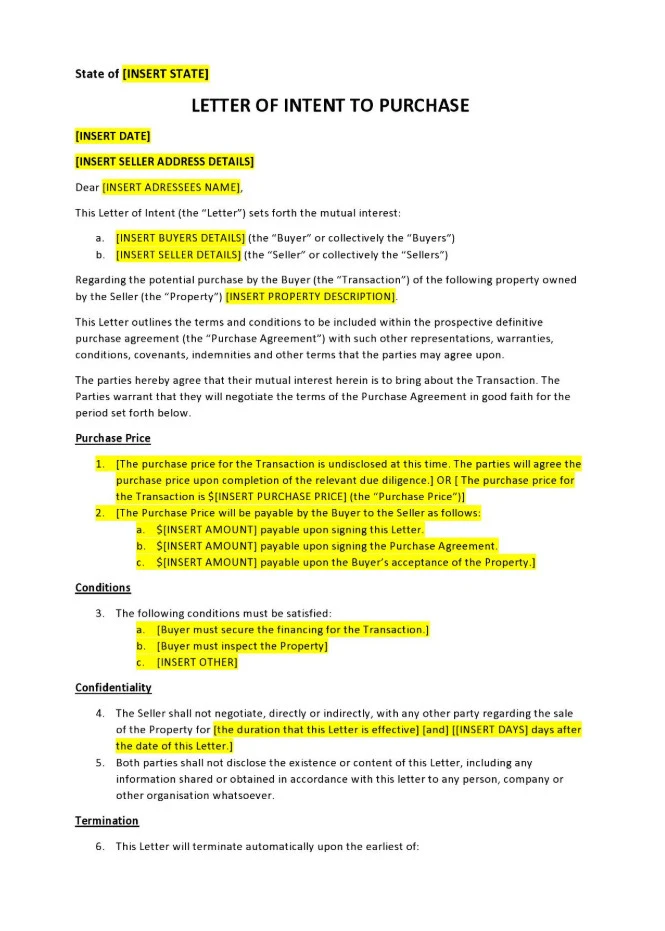
Pros and Cons of Using an LOI in Business Acquisitions
- Pros:
- Provides a roadmap for negotiations
- Clarifies the intentions of both parties
- Helps avoid misunderstandings
- Sets the tone for the acquisition process
- Facilitates a smoother transaction
- Cons:
- Not legally binding
- May lead to disputes if terms are not clearly defined
- Can slow down the acquisition process if negotiations break down
- Does not guarantee that the deal will be completed
- May give one party an unfair advantage over the other
What Should a Letter of Intent Include?
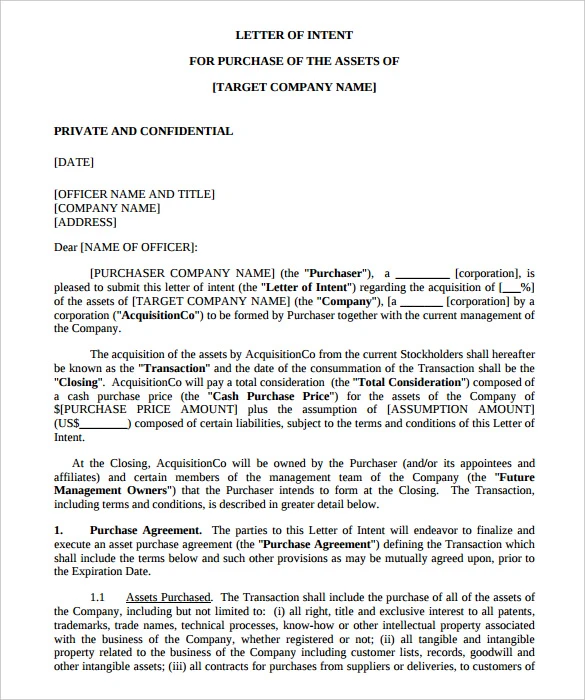
A well-written letter of intent should include the following key elements:
– Purchase price: The amount the buyer is willing to pay for the business.
– Payment terms: How and when the purchase price will be paid.
– Due diligence period: The time frame within which the buyer can conduct due diligence on the business.
– Exclusivity period: The period during which the seller agrees not to negotiate with other potential buyers.
– Conditions: Any specific conditions that must be met for the deal to proceed.
– Confidentiality agreement: A clause outlining the confidentiality of the negotiations.
– Governing law: The jurisdiction in which any disputes will be resolved.
Including these elements in the letter of intent will help both parties understand the terms of the deal and avoid misunderstandings during the acquisition process.
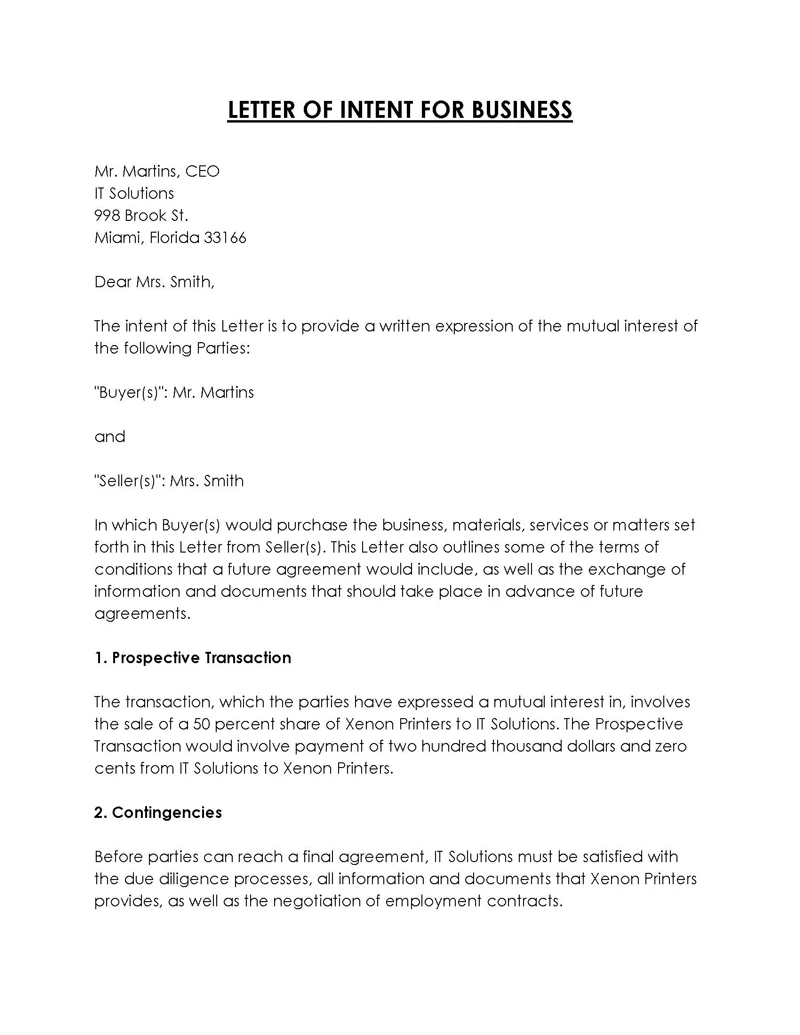
How to Write a Letter of Intent to Purchase a Business
When writing a letter of intent to purchase a business, it is essential to be clear, concise, and specific about the terms of the deal. Here are some tips for drafting a successful LOI:
1. Start with a strong opening that expresses your interest in acquiring the business.
2. Clearly outline the purchase price and payment terms.
3. Include a due diligence period to allow for a thorough investigation of the business.
4. Specify any conditions that must be met for the deal to proceed.
5. Include a confidentiality agreement to protect sensitive information.
6. End with a call to action, inviting the seller to negotiate the terms of the deal.
By following these steps and including all necessary elements, you can create a comprehensive letter of intent that sets the stage for a successful business acquisition.
Letter of Intent to Purchase a Business – Word
