Leaving a job is one of the most significant transitions in a professional career. Whether an employee is moving to a better opportunity, changing industries, pursuing higher education, relocating, or seeking personal growth, the resignation process should always be handled with professionalism and respect. One of the most essential parts of this process is writing a proper job resignation letter.
A resignation letter is more than just a formal notice of departure. It reflects an employee’s professionalism, communication skills, and respect for the organization they are leaving behind. A well-written resignation letter helps maintain positive relationships with employers, supervisors, and colleagues while ensuring a smooth transition for everyone involved.
In today’s competitive professional environment, maintaining a strong reputation is extremely important. Many industries are closely connected, and former employers may become future references, clients, or business partners. For this reason, resigning professionally can have long-term benefits for career growth and networking opportunities.
A professional resignation letter also provides clear documentation regarding the employee’s final working day, notice period, transition responsibilities, and appreciation for the opportunity given by the company. This document protects both the employer and employee from misunderstandings and supports a more organized departure process.
Many employees underestimate the importance of a resignation letter and submit vague, emotional, or unprofessional notices that may damage their professional image. Others struggle to find the right words to communicate their decision respectfully while remaining concise and clear.
This comprehensive guide explains everything you need to know about writing a job resignation letter, including its purpose, importance, structure, best practices, mistakes to avoid, and practical tips for creating a professional and respectful resignation experience.
What Is a Job Resignation Letter?
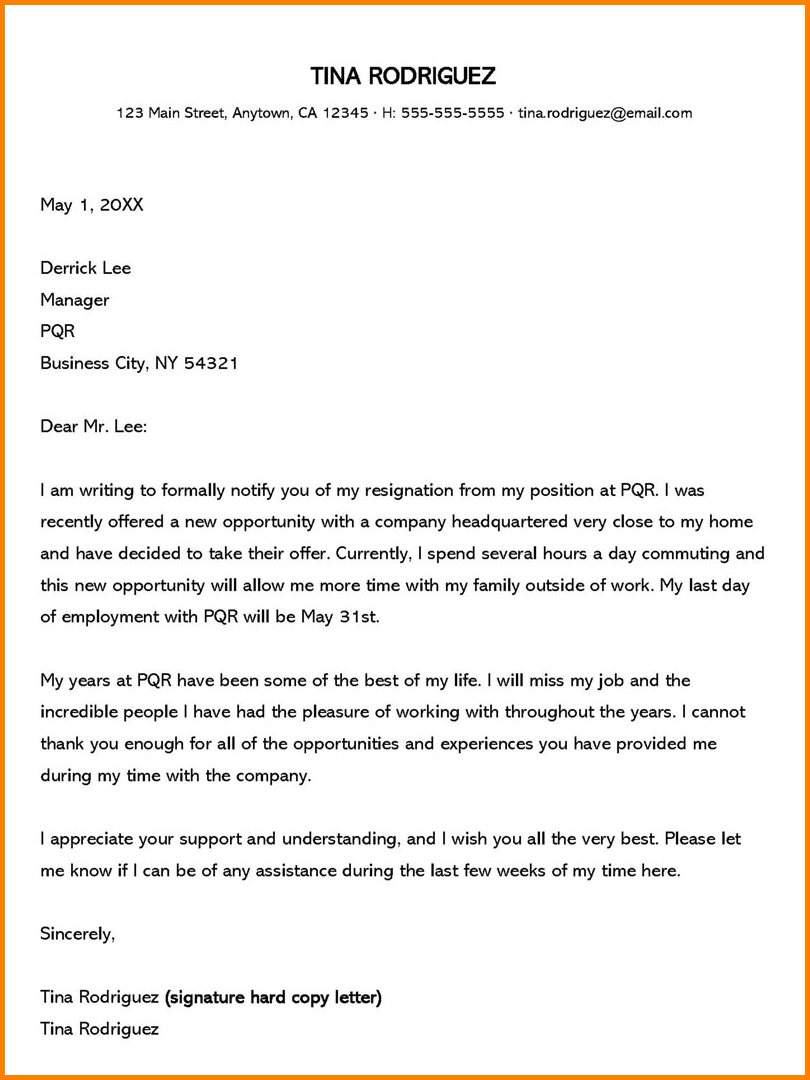
A job resignation letter is a formal written document submitted by an employee to officially notify an employer about their intention to leave a position within a company or organization. The letter serves as professional documentation of the employee’s resignation and typically includes important details such as the resignation date, final working day, and a brief expression of gratitude.
The primary purpose of a resignation letter is to create a clear and professional communication process between the employee and employer. While verbal communication about resignation may occur first, the written letter acts as an official record that can be referenced by human resources departments, supervisors, and management teams.
Why a Job Resignation Letter Is Important?
Many employees focus heavily on securing a new position while overlooking the importance of leaving their current job professionally. However, the resignation process can significantly affect future career opportunities, professional reputation, and long-term networking relationships.
A resignation letter serves multiple important purposes beyond simply announcing an employee’s departure. One of its primary functions is documentation. Employers need official written confirmation of an employee’s intention to resign, including the effective date and final working day. This documentation supports payroll processing, human resources procedures, workload planning, and transition management.
Professionalism is another major reason resignation letters matter. Employees who resign respectfully demonstrate strong communication skills, emotional intelligence, and professional integrity. Even in situations where employees are dissatisfied with management, salary, or workplace conditions, a respectful resignation letter reflects maturity and self-control.
Another important reason resignation letters matter is relationship preservation. Professional networks are often smaller than they appear. Former supervisors, managers, and colleagues may later become references, clients, collaborators, or employers. Leaving on positive terms increases the likelihood of maintaining beneficial professional relationships.
Resignation letters also help ensure smoother workplace transitions. Employers need time to recruit replacements, redistribute responsibilities, and train new employees. Providing proper notice through a formal letter allows the organization to minimize disruptions and maintain productivity.
Some additional benefits of writing a professional resignation letter include:
- Maintaining a positive professional reputation
- Reducing misunderstandings about resignation terms
- Supporting smoother team transitions
- Creating formal employment records
- Demonstrating respect toward management and coworkers
- Improving chances of receiving positive references
- Protecting future networking opportunities
In some cases, poorly handled resignations can create unnecessary tension and damage professional credibility. Emotional resignation messages, abrupt departures without notice, or disrespectful communication can leave negative impressions that affect future opportunities.
A professional resignation letter also allows employees to express gratitude for the opportunities, skills, and experiences gained during employment. Even when employees choose to leave because of workplace challenges, acknowledging positive aspects of the experience demonstrates professionalism.
From an employer’s perspective, a resignation letter provides clarity and helps establish a structured exit process. Human resources teams rely on written notices to manage administrative procedures such as final payroll calculations, benefits processing, company property returns, and employee exit interviews.
Ultimately, a resignation letter represents an employee’s final professional communication within an organization. Handling this process respectfully and carefully helps ensure the employee leaves with dignity, professionalism, and positive long-term career prospects.
How to Write a Professional Job Resignation Letter
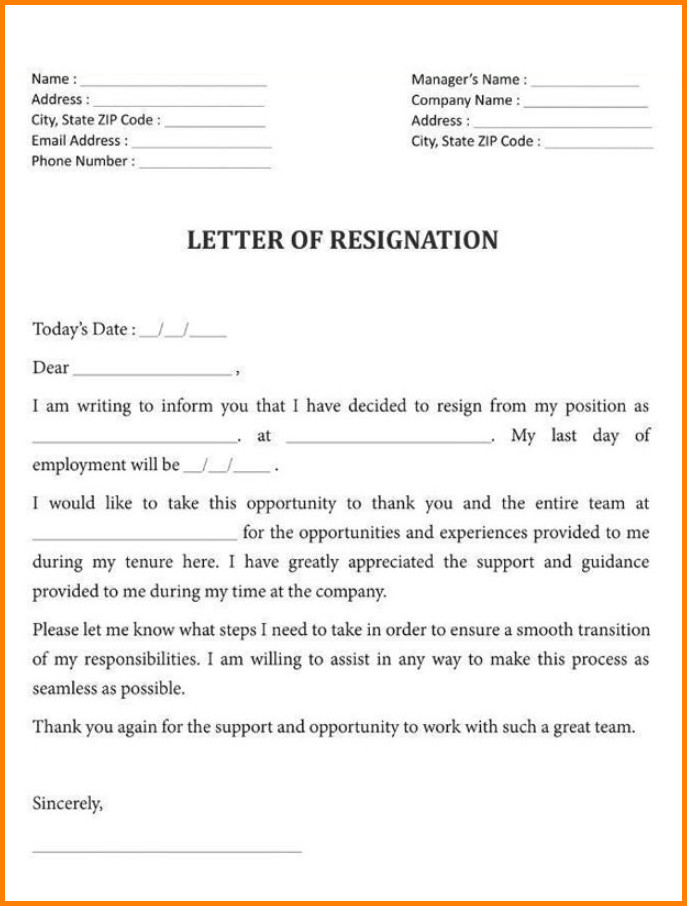
Writing a professional resignation letter requires clarity, professionalism, and proper structure. Although the content may vary depending on the employee’s situation, most effective resignation letters follow a simple and organized format.
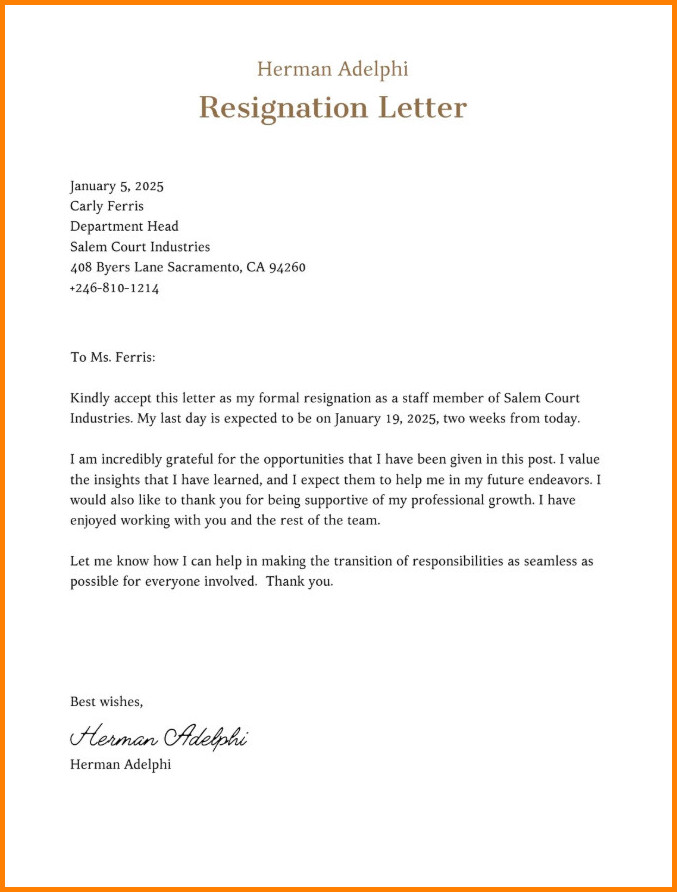
The first step begins with a professional opening. The letter should include the current date, the recipient’s name, title, company name, and a formal greeting. This establishes a respectful tone and creates a professional document structure.
The next section should clearly state the employee’s intention to resign. It is important to avoid vague language or overly emotional explanations. The resignation statement should be direct, concise, and respectful.
For example:
“Please accept this letter as formal notice of my resignation from my position as Marketing Coordinator, effective two weeks from today.”
Employees should also specify their final working day according to the company notice requirements. This provides clarity for managers and human resources departments.
After announcing the resignation, it is recommended to express gratitude for the opportunities and experiences gained during employment. Even if the employee had challenges within the organization, maintaining professionalism is essential.
Examples of appreciation may include:
- Thanking the company for career development opportunities
- Expressing appreciation for mentorship and support
- Acknowledging teamwork and professional growth
- Recognizing valuable experiences and learning opportunities
The letter may also include a brief offer to assist with the transition process. This demonstrates responsibility and professionalism.
Examples include:
- Helping train a replacement employee
- Completing pending projects before departure
- Preparing transition documentation
- Supporting workload handovers
Employees should avoid including negative comments, workplace complaints, personal conflicts, or emotional language in the resignation letter. Even if workplace conditions were difficult, the resignation letter is not the appropriate place to express frustration or criticism.
The closing section should remain professional and courteous. Common closings include:
- Sincerely
- Best regards
- Respectfully
- Kind regards
The final document should be carefully reviewed for spelling, grammar, formatting, and clarity before submission.
In modern workplaces, resignation letters are often submitted through email. In such cases, employees should still maintain professional formatting, including a clear subject line such as:
Subject: Resignation Letter – [Employee Name]
A well-structured resignation letter helps create a respectful departure process while protecting the employee’s professional reputation.
How Job Resignation Letters Support Career Growth
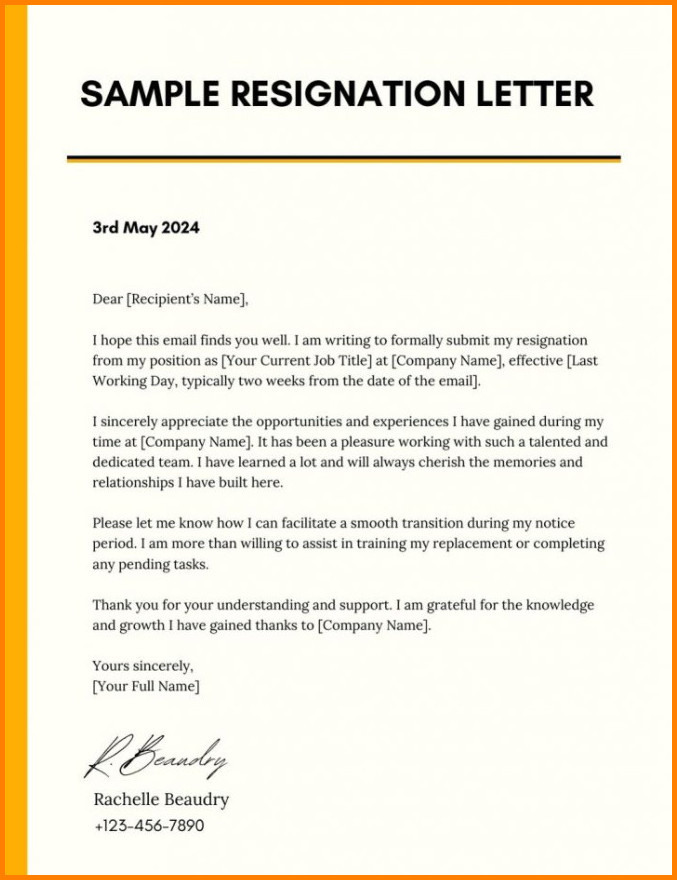
Many employees focus only on the immediate process of leaving a job without realizing how their resignation behavior can affect long-term career growth. A professionally written resignation letter can positively influence future opportunities, references, networking relationships, and industry reputation.
One major advantage of resigning professionally is preserving positive references. Future employers often contact previous supervisors or human resources departments to verify employment history and gather feedback about work performance and professionalism.
Employees who leave respectfully are more likely to receive positive recommendations and references. On the other hand, abrupt or unprofessional resignations may negatively affect how former employers describe the employee to future organizations.
Networking opportunities are another important factor. Professional industries are often interconnected, and relationships developed during employment can create valuable future opportunities. Former managers or coworkers may later recommend the employee for promotions, partnerships, consulting projects, or leadership positions.
Resignation letters also demonstrate emotional intelligence and communication skills. Employers appreciate individuals who can manage difficult conversations professionally and respectfully.
Another important aspect is personal branding. Every professional interaction contributes to an individual’s reputation within their industry. Employees who leave organizations respectfully are often remembered positively, even years later.
Professional resignations may also create opportunities for future reemployment. Some employees eventually return to previous employers in higher-level positions after gaining additional experience elsewhere. Maintaining positive relationships increases the likelihood of such opportunities.
Companies may also appreciate employees who assist with smooth transitions during resignation periods. Responsible behavior during the final weeks of employment reflects reliability and leadership qualities.
Career growth benefits associated with professional resignation practices include:
- Stronger professional references
- Improved networking relationships
- Positive industry reputation
- Potential future collaborations
- Greater credibility with future employers
- Increased professional trust
- Enhanced leadership image
Ultimately, resignation letters are not simply administrative documents. They represent the employee’s final professional impression within an organization and can significantly influence future career success.
Common Mistakes to Avoid in a Job Resignation Letter
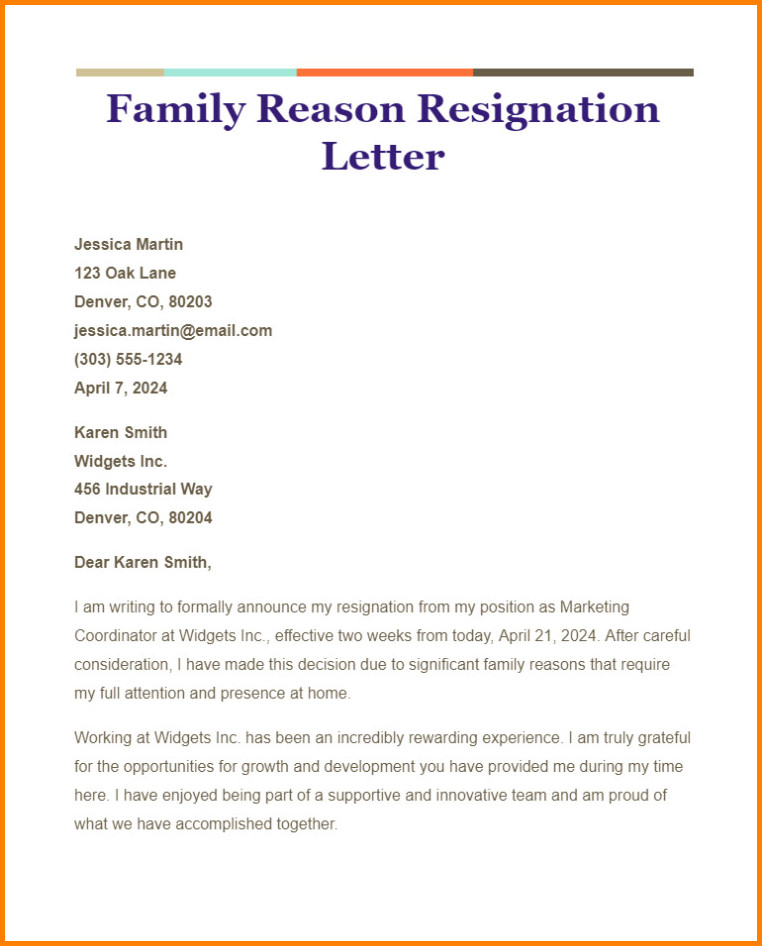
Although resignation letters are relatively short documents, many employees make mistakes that can damage professional relationships or create unnecessary complications. Understanding these common mistakes helps employees resign more effectively and professionally.
1. Using Emotional Language
One of the most common mistakes is writing emotionally charged resignation letters. Employees who feel frustrated, angry, or disappointed may include negative comments that create tension and damage professional reputations.
2. Providing Excessive Details
A resignation letter should remain concise and professional. Employees are not required to explain every personal reason behind their decision to leave the company.
3. Criticizing Management or Coworkers
Negative comments about supervisors, policies, or colleagues should never appear in a resignation letter. Professionalism should remain the top priority.
4. Failing to Give Proper Notice
Leaving without adequate notice can disrupt business operations and negatively affect future references. Employees should follow company policies whenever possible.
5. Writing Informally
Even if the workplace culture is casual, resignation letters should maintain formal business communication standards and professional formatting.
6. Forgetting Important Information
Employees sometimes forget to include essential details such as their intended final working day or a formal resignation statement.
7. Making the Letter Too Long
Extremely lengthy resignation letters may reduce clarity and professionalism. The message should remain focused and organized.
8. Sending the Letter Without Review
Grammar mistakes, spelling errors, and formatting issues can reduce professionalism. Employees should always proofread the document carefully before submission.
Avoiding these mistakes helps employees maintain positive professional relationships while ensuring a smoother resignation process.
Tips for Successful Job Resignation Letter Writing
Creating a successful resignation letter requires careful attention to professionalism, clarity, and tone. Employees should approach the process strategically to protect their reputation and maintain strong professional relationships.
One of the most important strategies is keeping the message respectful and positive. Even if the employee experienced workplace challenges, the resignation letter should focus on professionalism rather than criticism.
Employees should also prepare for the conversation before submitting the letter. In many workplaces, it is considered respectful to inform supervisors verbally before sending formal written notice.
Timing is another critical factor. Employees should avoid resigning during emotionally stressful situations or workplace conflicts whenever possible.
- Be Clear and Direct. Clearly state the intention to resign and include the final working date to avoid confusion.
- Remain Professional. Maintain respectful language and avoid emotional comments or negative criticism.
- Express Gratitude. Acknowledge the opportunities and experiences gained during employment.
- Offer Transition Support. Demonstrate responsibility by offering to assist with workload handovers or training.
- Follow Company Policies. Respect organizational notice period requirements and resignation procedures.
- Review Before Submission. Carefully proofread the letter to ensure accuracy, professionalism, and clarity.
Employees should also remain professional throughout their remaining time with the company. Completing responsibilities responsibly and cooperating during the transition process helps reinforce positive impressions.
Maintaining professionalism after resignation is equally important. Employees should avoid spreading negativity, damaging company relationships, or behaving irresponsibly during their notice period.
Ultimately, a successful resignation letter supports a respectful departure process that benefits both the employee and employer.
Conclusion
A job resignation letter is an essential part of professional career transitions. More than just a formal notice, it represents an employee’s professionalism, communication skills, and respect for the organization they are leaving behind.
Writing a professional resignation letter helps maintain positive relationships, supports smoother workplace transitions, and protects long-term career opportunities. Employees who resign respectfully are more likely to receive positive references, preserve valuable networking connections, and maintain strong professional reputations.
Effective resignation letters should remain clear, concise, respectful, and professionally structured. Employees should avoid emotional language, unnecessary criticism, and overly detailed explanations. Instead, the focus should remain on professionalism, appreciation, and transition support.
As workplaces continue to evolve and industries become increasingly interconnected, professional behavior during resignation processes becomes even more important. Employees who handle their departures responsibly demonstrate maturity, leadership potential, and strong interpersonal skills.
Ultimately, leaving a job professionally is just as important as securing a new opportunity. A well-written resignation letter helps ensure that employees move forward in their careers with confidence, dignity, and positive professional relationships that may continue to benefit them for years to come.
