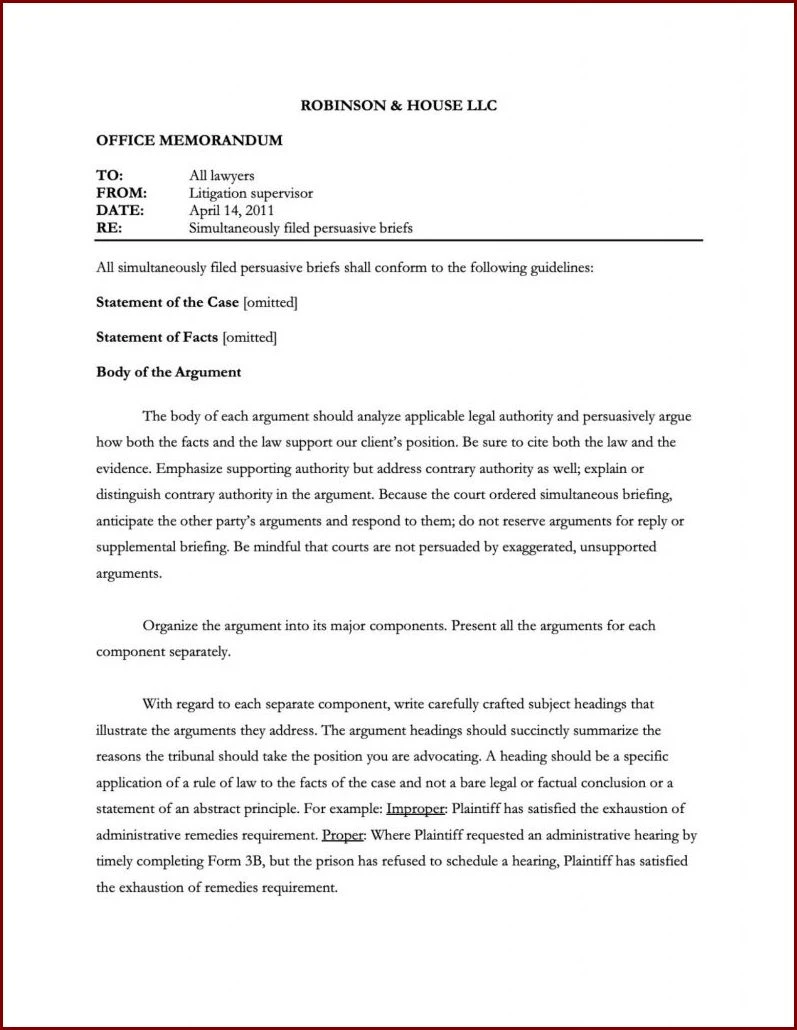
Legal memos are a crucial tool in the legal profession, serving as a way to analyze and communicate legal issues in a structured and objective manner. They are often used internally for research, case strategy, or client communication. While they are not meant to persuade, legal memos play a vital role in informing decision-making processes.
In this article, we will delve into what a legal memo is, its uses, why it is required, different types, structure, and how to write one effectively.
What Is a Legal Memo?
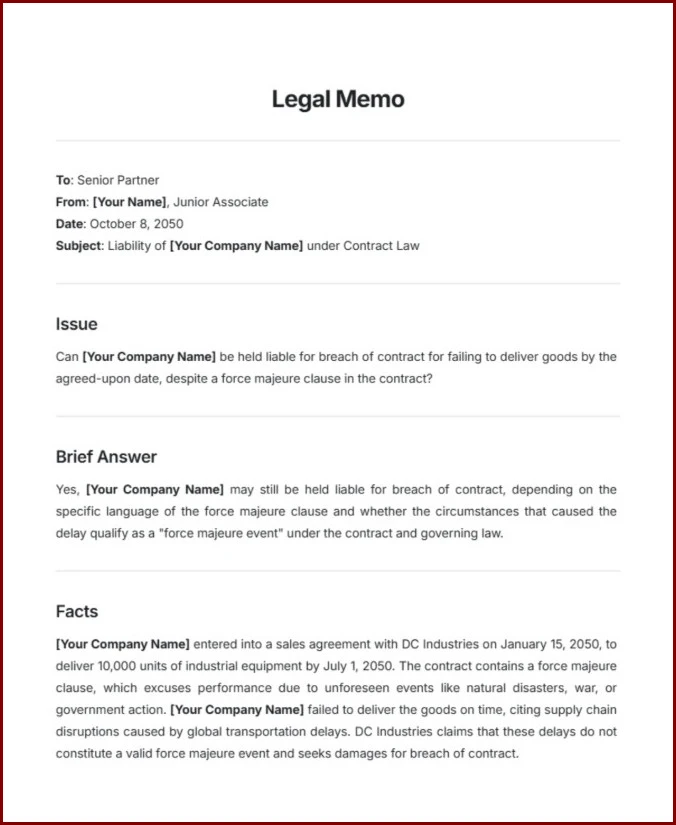
A legal memo, short for memorandum, is a document that lawyers use to communicate the analysis of legal issues to clients, colleagues, or supervisors clearly and concisely. It is a written record of the research and analysis conducted on a particular legal question or issue.
Legal memos are typically objective in nature, presenting the facts, legal principles, and conclusions without advocating for a particular position.
What’s a Legal Memo Used For?
Legal memos serve a variety of purposes within the legal field. They are commonly used for:
- Research: Legal memos provide a summary of the relevant laws, regulations, and case law on a particular issue, helping lawyers understand the legal landscape.
- Case Strategy: Lawyers use legal memos to assess the strengths and weaknesses of a case, identify potential arguments, and develop a strategic approach.
- Client Communication: Legal memos are often shared with clients to explain complex legal issues in a straightforward manner and recommend a course of action.
Why Is a Legal Memo Required?
Legal memos are essential in the legal profession for several reasons:
- Clarity: Legal memos help clarify complex legal issues and provide a structured analysis for easy comprehension.
- Record Keeping: They serve as a record of the research and analysis conducted on a particular legal matter, ensuring that all relevant information is documented.
- Decision Making: Legal memos inform decision-making processes by presenting the legal analysis and recommendations for a particular issue.
Types of Legal Memos
There are different types of legal memos based on their purpose and audience:
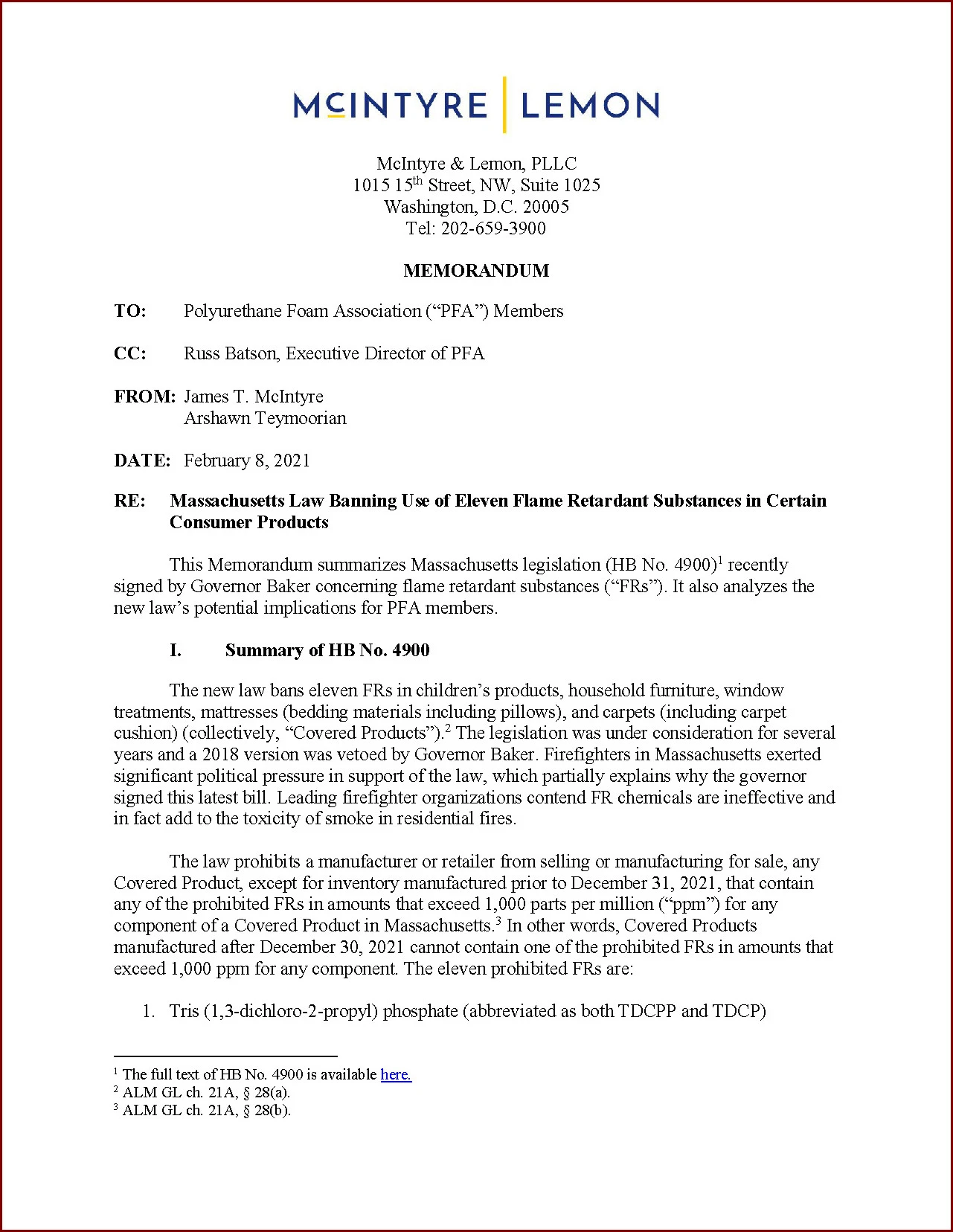
- Internal Memos: Used within a law firm or legal department for research, case strategy, or communication between lawyers.
- Client Memos: Shared with clients to explain legal issues, advise on potential courses of action, and keep them informed about their case.
- Policy Memos: Addressing legal issues related to policy considerations or proposed changes in laws or regulations.
Memo Structure
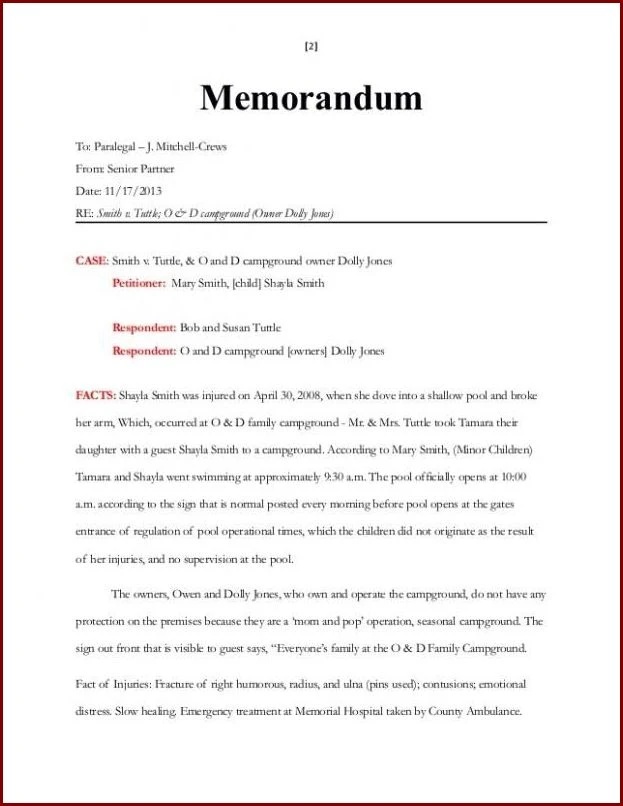
A typical legal memo follows a specific structure to ensure clarity and organization:
- Heading: Includes the date, to whom the memo is addressed, from whom it is coming, and a summary of the subject matter.
- Issue Presented: Clearly articulates the legal question or problem that needs to be addressed.
- Short Answer: Provides a concise response to the legal issue, typically a yes or no answer.
- Facts: Summarizes the relevant facts of the case or situation that give rise to the legal issue.
- Analysis: Discusses the relevant laws, regulations, and case law, applying them to the facts to conclude.
- Conclusion: States the final opinion or recommendation based on the analysis conducted.
How to Write a Legal Memo
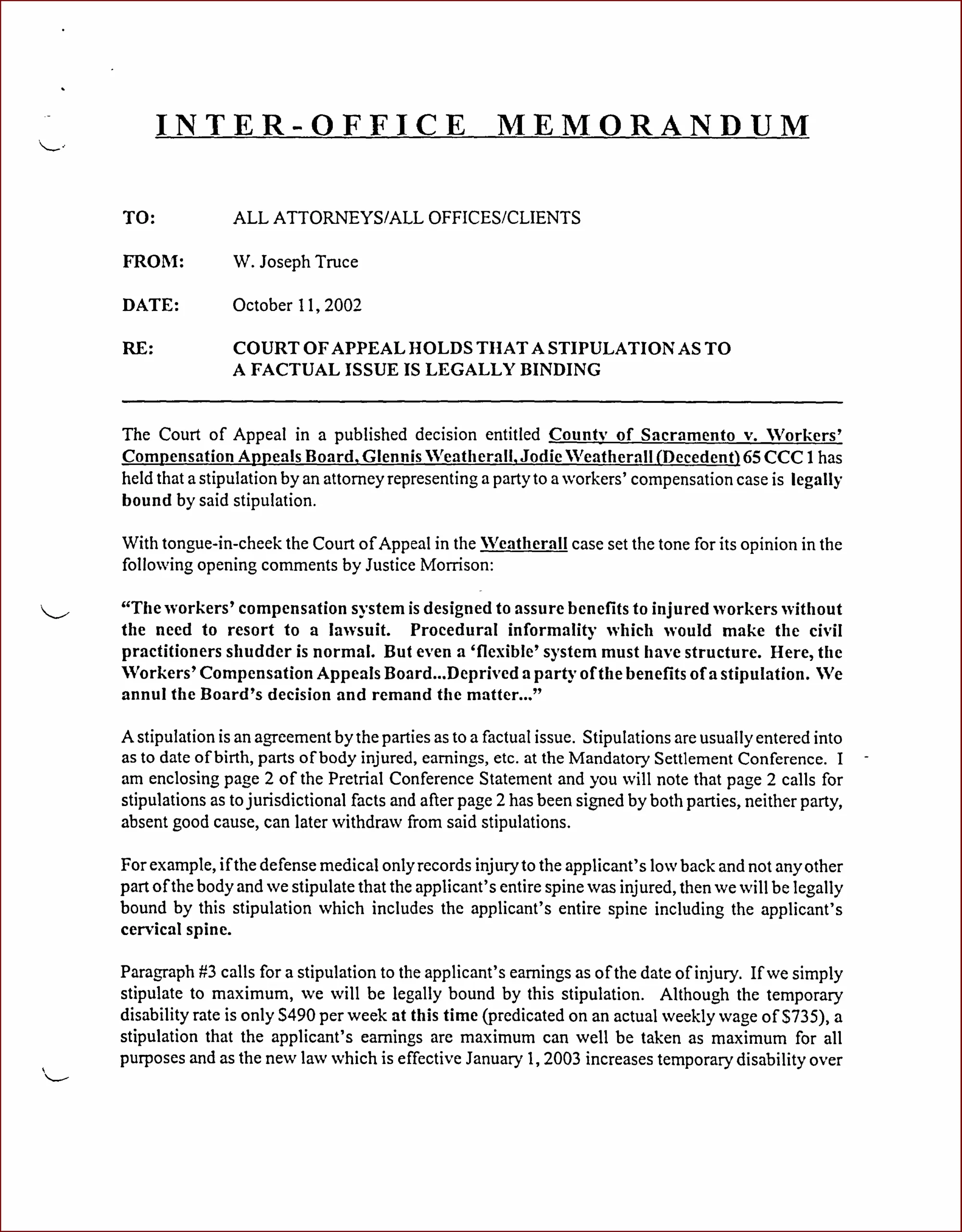
Writing an effective legal memo requires attention to detail and clarity. Here are some tips to help you craft a compelling memo:
1. Know Your Audience
Understand who will be reading the memo and tailor your language and level of detail accordingly. Consider the legal knowledge and expertise of the recipients.
2. Be Concise
Avoid unnecessary jargon and wordiness. Present information clearly and succinctly to ensure that your points are easily understood.
3. Use Headings and Subheadings
Organize your memo with headings and subheadings to guide the reader through the analysis and make it easier to navigate the document.
4. Support Your Analysis
Back up your conclusions with references to relevant laws, regulations, and case law. Provide citations to strengthen your argument and demonstrate thorough research.
5. Proofread and Edit
Before finalizing your legal memo, carefully review it for spelling, grammar, and punctuation errors. Ensure that the memo is well-structured and coherent.
In Conclusion
Legal memos are a fundamental tool in the legal profession, enabling lawyers to analyze and communicate legal issues effectively. By understanding the purpose, structure, and best practices for writing legal memos, you can enhance your ability to convey complex legal information clearly and concisely.
Legal Memo Template – Word
