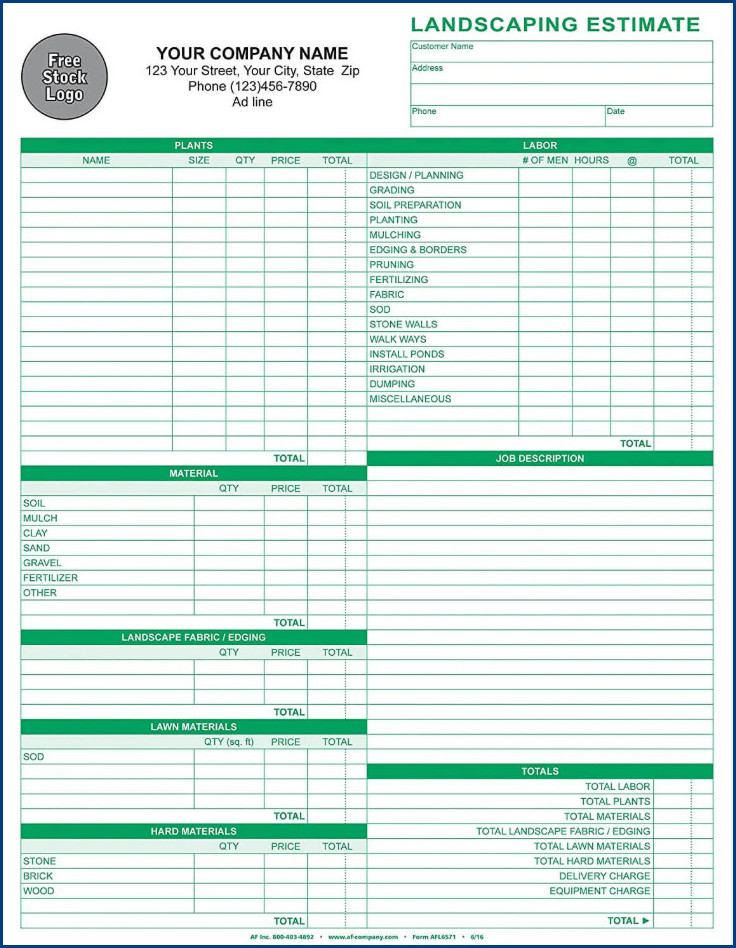
When embarking on a landscaping project, whether it’s for a residential property or a commercial space, having a detailed landscape estimate is crucial.
A landscape estimate provides a breakdown of all costs involved in the project, setting clear expectations for both the client and the contractor. For clients, it ensures transparency and helps them understand the investment required. For contractors, it serves as a vital business tool for profitability and avoiding disputes with clients.
What is a Landscape Estimate?
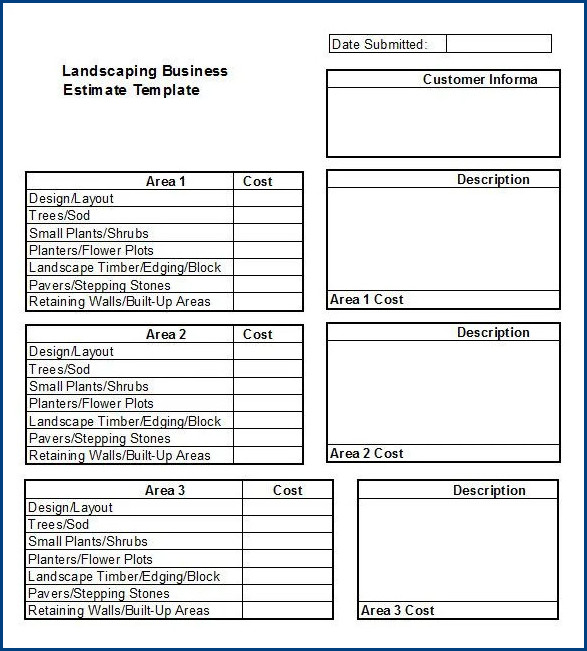
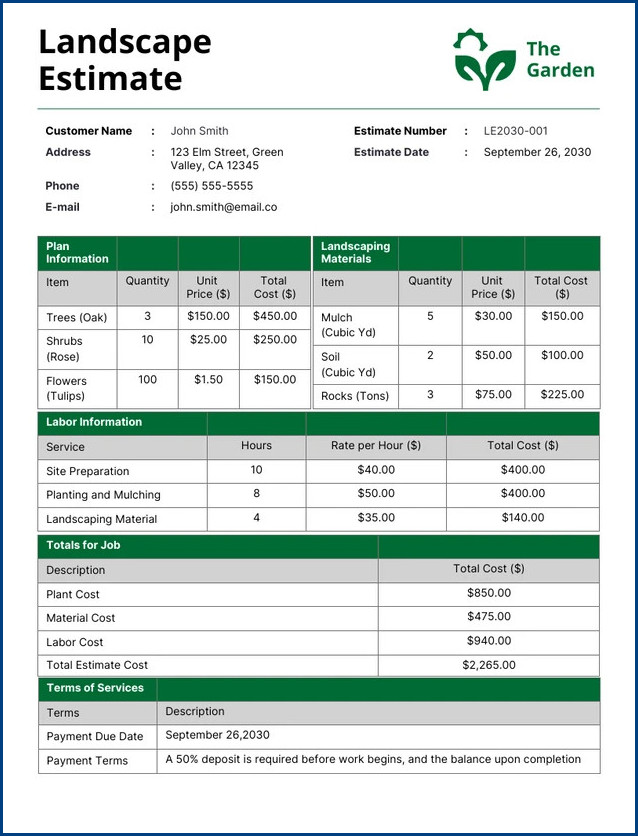
A landscape estimate is a detailed cost breakdown for a landscaping project, outlining all expenses associated with the job. It includes the cost of materials, labor, equipment, overhead, and profit margins.
The estimate is prepared by the contractor and presented to the client before the project commences to ensure transparency and agreement on the scope and cost of the work. A well-prepared landscape estimate is essential for both parties to avoid misunderstandings and ensure a successful project outcome.
Why Landscape Estimates are Important?
Landscape estimates play a crucial role in the success of a landscaping project for both clients and contractors. For clients, a detailed estimate provides transparency and helps them understand the costs involved in the project. It allows them to make informed decisions and budget accordingly. For contractors, an accurate estimate ensures profitability by accounting for all expenses, including materials, labor, equipment, overhead, and profit margins. It also helps in avoiding disputes with clients by setting clear expectations upfront.
Transparency and Accountability
One of the primary reasons why landscape estimates are important is the emphasis on transparency and accountability throughout the project. By providing a detailed breakdown of costs, contractors demonstrate transparency in their pricing and operations. Clients appreciate knowing exactly where their money is going and can hold the contractor accountable for delivering on what was promised in the estimate. This level of transparency fosters trust and credibility between the client and the contractor, leading to a positive working relationship.
Financial Planning and Budgeting
Another key aspect of why landscape estimates are important is the role they play in financial planning and budgeting for the client. A detailed estimate allows clients to see the full picture of the project costs upfront, enabling them to plan their finances accordingly. Clients can budget for the landscaping project, allocate funds for materials and labor, and make informed decisions based on the cost breakdown provided in the estimate. This financial planning aspect helps clients feel in control of their investment and sets realistic expectations for the project.
Risk Management and Dispute Avoidance
Landscape estimates are also important for risk management and dispute avoidance between clients and contractors. By clearly outlining all expenses in the estimate, both parties have a mutual understanding of the financial aspects of the project. This reduces the chances of disputes arising later on due to misunderstandings or disagreements over costs. A well-prepared landscape estimate helps mitigate risks associated with unexpected expenses, scope changes, or project delays, leading to a smoother project experience for all involved.
Professionalism and Credibility
Furthermore, landscape estimates are essential for showcasing professionalism and credibility in the landscaping industry. Contractors who provide detailed and accurate estimates demonstrate their commitment to quality service and transparent business practices. Clients are more likely to trust contractors who present thorough estimates that account for all project costs upfront. This professionalism not only builds confidence in the contractor’s abilities but also sets a high standard for industry best practices, contributing to a positive reputation in the market.
Efficiency and Project Success
Lastly, landscape estimates are vital for ensuring project efficiency and success. By having a clear understanding of all costs involved in the project, contractors can plan resources, allocate budgets, and schedule labor effectively. The detailed breakdown of expenses in the estimate serves as a roadmap for the project, guiding the contractor through each phase of the work. This level of organization and preparedness contributes to project efficiency, timely completion, and overall success in delivering a high-quality landscaping project that meets the client’s expectations.
Key Elements of a Landscape Estimate
Site Assessment and Analysis
Before creating a landscape estimate, the contractor needs to conduct a thorough site assessment and analysis. This involves visiting the project site, taking measurements, and evaluating the existing conditions. By understanding the nuances of the site, such as soil quality, drainage issues, and existing vegetation, the contractor can accurately estimate the materials and labor required for the project. A site assessment helps in customizing the estimate to the specific needs of the site, ensuring that all aspects are considered in the cost breakdown.
Detailed Material List
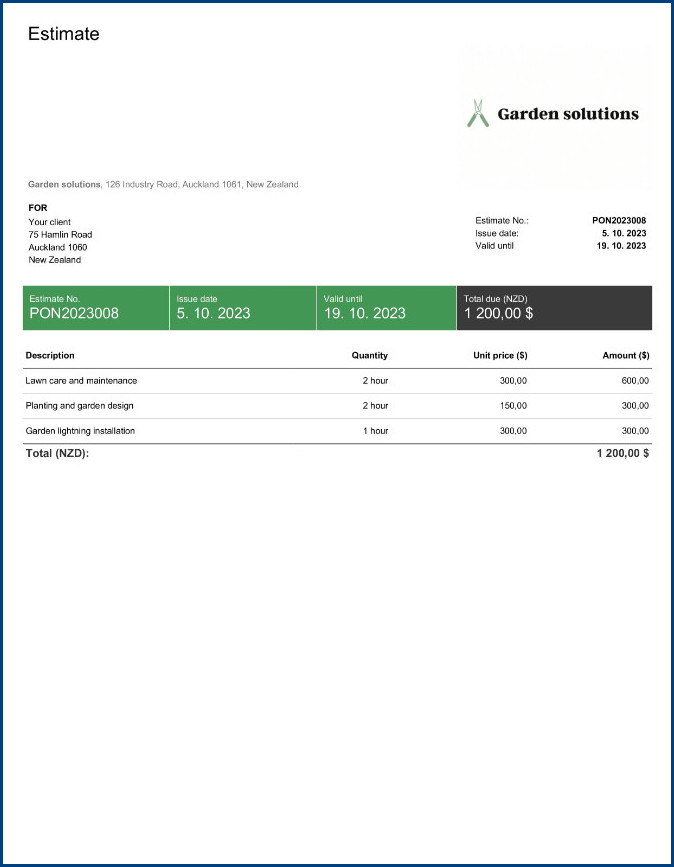
A detailed material list is a critical component of a landscape estimate, as it outlines the specific materials needed for the project. The material list should include the type of plants, trees, shrubs, hardscape materials, and other elements required for the landscaping design. Each material should be itemized with quantities and costs to provide an accurate total for materials. Including a detailed material list in the estimate helps the client understand the design elements and visualize the final outcome of the project.
Labor Breakdown
The labor breakdown in a landscape estimate details the manpower required to complete the project. This includes the number of workers, their roles, hourly rates, and estimated hours of work. By providing a labor breakdown, the contractor can show the client the extent of labor involved in the project and justify the labor costs included in the estimate. Clients appreciate knowing the skill and effort that goes into the project, and a clear labor breakdown helps set realistic expectations for the work to be done.
Equipment Costs
Equipment costs should be outlined in the landscape estimate to account for any specialized tools or machinery needed for the project. This may include equipment rental fees, maintenance costs, or the purchase of new tools for the job. By including equipment costs in the estimate, the contractor ensures that all expenses are covered and that the necessary resources are available to complete the project efficiently. Clients benefit from knowing if there are any additional equipment costs involved and can see how these expenses contribute to the overall project budget.
Overhead Allocation
Allocating overhead costs in the landscape estimate is crucial for covering indirect expenses associated with the project. Overhead costs are essential for running a landscaping business, but are often overlooked in project estimates. These costs may include insurance, permits, licenses, vehicle expenses, and other general operating expenses. By including overhead allocation in the estimate, the contractor ensures that all expenses are accounted for and that the project is financially sustainable. Clients appreciate transparency in pricing and understanding the full scope of the contractor’s business operations.
Profit Margin Calculation
Calculating a profit margin is a key element of a landscape estimate, as it determines the contractor’s profitability on the project. The profit margin is typically added as a percentage of the total project cost to ensure that the contractor makes a profit. The profit margin accounts for the contractor’s expertise, overhead expenses, and desired return on investment. Including a profit margin in the estimate not only ensures financial sustainability for the contractor but also reflects the value of the services provided. Clients can see the profit margin applied to the total cost and understand how it contributes to the contractor’s business success.
How to Prepare a Landscape Estimate
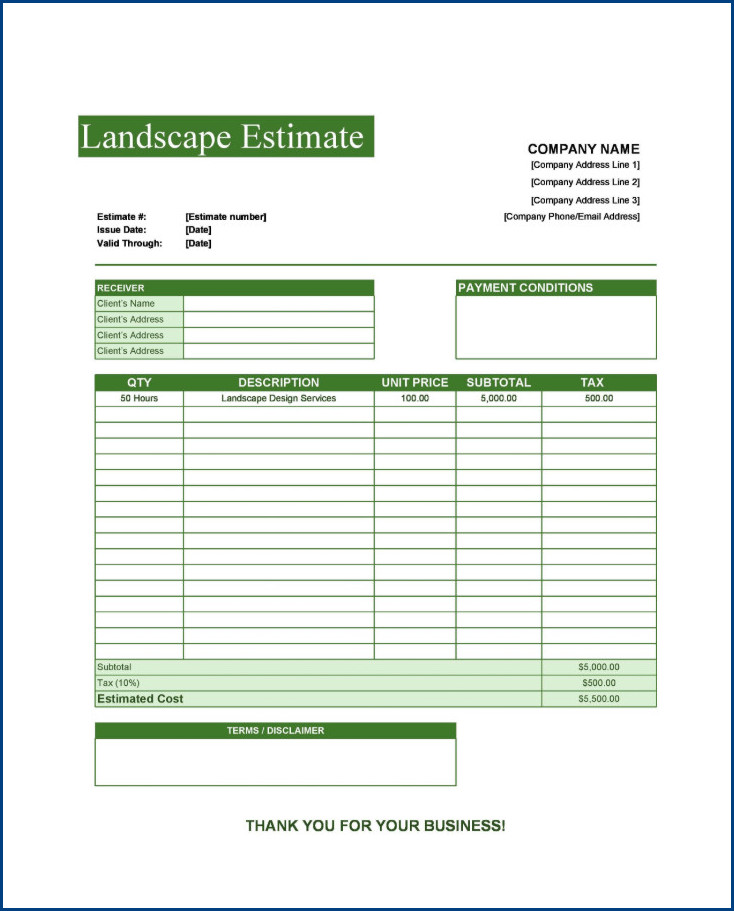
Preparing a landscape estimate requires careful planning, attention to detail, and a thorough understanding of the project scope. By following a systematic approach, contractors can create accurate and transparent estimates that benefit both parties involved. Here are the steps to prepare a landscape estimate:
Step 1: Conduct a Site Visit
The first step in preparing a landscape estimate is to conduct a site visit to assess the project scope. This involves visiting the site, taking measurements, and evaluating the existing conditions. By understanding the site requirements, contractors can accurately estimate the materials, labor, and equipment needed for the project. A site visit also allows for direct communication with the client to discuss their goals and expectations for the project.
Step 2: Research Material Costs
After assessing the site, the next step is to research material costs for the project. Contractors should gather pricing information for plants, trees, shrubs, hardscape materials, and other elements specified in the design. It’s essential to obtain accurate pricing from suppliers and factor in any discounts or bulk rates available. Researching material costs helps ensure that the estimate is realistic and reflects current market prices for landscaping materials.
Step 3: Estimate Labor Requirements
Estimating labor requirements is a critical aspect of preparing a landscape estimate. Contractors should determine the number of workers needed, their roles, and the estimated hours of work for the project. Labor costs can vary based on the complexity of the project, skill level of the workers, and any specialized tasks involved. By accurately estimating labor requirements, contractors can provide a detailed breakdown of labor costs in the estimate.
Step 4: Determine Equipment Needs
Identifying equipment needs is another important step in preparing a landscape estimate. Contractors should assess if any specialized tools or machinery are required for the project and include equipment costs in the estimate. This may involve renting equipment, purchasing new tools, or allocating maintenance expenses for existing machinery. Determining equipment needs ensures that the contractor has the necessary resources to complete the project efficiently.
Step 5: Allocate Overhead Expenses
Allocating overhead expenses is essential for covering indirect costs associated with the project. Contractors should include overhead expenses such as insurance, permits, licenses, administrative costs, and other general operating expenses in the estimate. By allocating overhead expenses, contractors ensure that all costs are accounted for and that the project is financially sustainable. Clients benefit from transparency in pricing and understanding the full scope of the contractor’s business operations.
Step 6: Calculate Profit Margin
Calculating a profit margin is the final step in preparing a landscape estimate. Contractors should determine the desired profit margin for the project and add it to the total cost to ensure profitability. The profit margin accounts for the contractor’s expertise, overhead expenses, and desired return on investment. By including a profit margin in the estimate, contractors ensure that they are adequately compensated for their work and that their business remains profitable. Clients can see the profit margin applied to the total cost and understand how it contributes to the contractor’s success.
Tips for Creating an Accurate Landscape Estimate
Creating an accurate and transparent landscape estimate is essential for ensuring a successful project outcome. By following these tips, contractors can provide detailed estimates that benefit both clients and themselves:
Tip 1: Be Detailed and Thorough
When creating a landscape estimate, it’s important to be detailed and thorough in outlining all costs associated with the project. Include a breakdown of materials, labor, equipment, overhead, and profit margins to provide a comprehensive view of the expenses involved. The more detailed the estimate, the better clients can understand the investment required for their landscaping project.
Tip 2: Use Realistic Cost Estimates
Researching and using realistic cost estimates is crucial for creating an accurate landscape estimate. Gather pricing information from suppliers, vendors, and industry sources to ensure that your cost estimates reflect current market rates. Using realistic cost estimates helps prevent underestimating expenses and ensures that the estimate aligns with the actual costs of the project.
Tip 3: Communicate Clearly with Clients
Clear communication with clients is key to creating a successful landscape estimate. Explain the scope of work, cost breakdown, and project timeline in a way that is easy for clients to understand. Be open to answering any questions or addressing concerns that clients may have about the estimate. Clear communication helps establish trust and transparency in the contractor-client relationship.
Tip 4: Review and Double-Check the Estimate
Before presenting the landscape estimate to the client, it’s essential to review and double-check all aspects of the estimate for accuracy. Ensure that all costs are accounted for, calculations are correct, and details are consistent throughout the estimate. Double-checking the estimate helps prevent errors and ensures that both parties have a clear understanding of the project costs.
Tip 5: Update the Estimate as Needed
Projects may evolve or change over time, requiring adjustments to the landscape estimate. It’s important to update the estimate as needed if there are any changes or additions to the project scope. Communicate any updates or revisions to the client and ensure that they are kept informed throughout the process. Updating the estimate as needed helps maintain transparency and clarity in the project planning and execution.
In Conclusion
A landscape estimate is a valuable tool for both clients and contractors in ensuring a successful landscaping project. By providing a detailed cost breakdown and setting clear expectations, a landscape estimate helps in avoiding disputes and achieving profitability. By following the key elements and tips outlined in this guide, contractors can create accurate and transparent landscape estimates that benefit both parties involved. Transparency, communication, and attention to detail are essential in preparing a landscape estimate that sets the foundation for a successful and rewarding landscaping project.
