What is a One-Day Conference Schedule?
A one-day conference schedule is a detailed plan that outlines the specific topics, sessions, and activities that will take place throughout the course of a single-day event. It serves as a roadmap for both organizers and attendees, guiding them through a series of events aimed at achieving specific goals such as gaining knowledge, building relationships, and aligning on a common purpose.
A well-crafted schedule ensures that the day runs smoothly and efficiently, maximizing the value that participants can derive from the event.
Why is a Conference Schedule Important?
A one-day conference schedule serves as a crucial tool for organizers and attendees alike, offering a range of benefits that contribute to the success of the event. Here are some key reasons why a structured schedule is important:
Time Management
One of the primary benefits of a conference schedule is its role in helping attendees manage their time effectively. By providing a clear outline of the day’s activities, including session timings and breaks, the schedule enables participants to plan their day in advance and ensure that they can make the most out of the event. This time management aspect is essential for maximizing the value that attendees can derive from the conference.
Engagement and Interest
A well-structured conference schedule is essential for maintaining the engagement and interest of attendees throughout the day. By offering a diverse range of sessions, workshops, and activities, the schedule ensures that participants have opportunities to learn, connect, and interact with peers. This variety helps prevent boredom or disengagement, keeping attendees actively involved and invested in the event.
Networking Opportunities
In addition to providing valuable content and sessions, a conference schedule should also include dedicated networking opportunities for attendees. These networking breaks allow participants to connect with one another, exchange ideas, and build relationships that can extend beyond the confines of the event. By including these networking sessions in the schedule, organizers can facilitate meaningful interactions and help attendees expand their professional networks.
Knowledge Sharing
Another key benefit of a conference schedule is its role in facilitating knowledge sharing and learning. By structuring the day with specific sessions and workshops on relevant topics, organizers can ensure that attendees have opportunities to gain new insights, perspectives, and information. This knowledge-sharing aspect is essential for providing value to participants and helping them expand their understanding of key issues or trends in their respective fields.
Alignment on Common Goals
Finally, a well-crafted conference schedule helps ensure that all participants are aligned on the goals and purpose of the event. By clearly outlining the agenda, key themes, and objectives of the day, the schedule helps create a sense of cohesion and shared vision among attendees. This alignment is crucial for fostering a sense of community, collaboration, and collective purpose among participants, enabling them to work towards common goals and outcomes.
Key Elements of a One-Day Conference Schedule
When creating a one-day conference schedule, it’s important to consider a variety of key elements that can enhance the overall experience for both organizers and attendees. Here are some essential components to include in your schedule:
Opening Keynote Session
The opening keynote session sets the tone for the event and helps establish the overarching theme or focus of the conference. This session should feature a prominent speaker who can inspire, motivate, and engage attendees right from the start. The keynote session is an opportunity to capture the audience’s attention and generate excitement for the day’s activities.
Breakout Sessions
Breakout sessions are smaller, more focused sessions that dive deeper into specific topics or areas of interest. These sessions provide attendees with opportunities to explore different subjects, engage in discussions, and interact with experts in their field. By offering a variety of breakout sessions on diverse topics, organizers can cater to the varied interests and preferences of participants.
Networking Opportunities
In addition to content sessions, it’s essential to include dedicated networking opportunities in the conference schedule. These networking breaks allow attendees to connect with one another, share experiences, and build relationships that can lead to future collaborations or partnerships. Networking sessions are valuable for fostering a sense of community and creating a supportive environment for attendees to engage with their peers.
Lunch and Refreshment Breaks
Providing ample breaks for lunch and refreshments is crucial for ensuring that attendees have time to refuel, recharge, and socialize throughout the day. These breaks offer opportunities for participants to relax, network, and take a mental break from the conference sessions. By including scheduled breaks in the conference schedule, organizers can ensure that attendees have time to rest and rejuvenate, enhancing their overall experience.
Closing Remarks and Reflection
The closing remarks session is an important part of the conference schedule as it provides an opportunity to recap key takeaways, thank attendees for their participation, and reflect on the day’s events. This session allows organizers to reinforce key messages, highlight important insights, and encourage attendees to continue their learning journey beyond the conference. Closing remarks also offer a chance for participants to share feedback, ask questions, and provide input for future events.
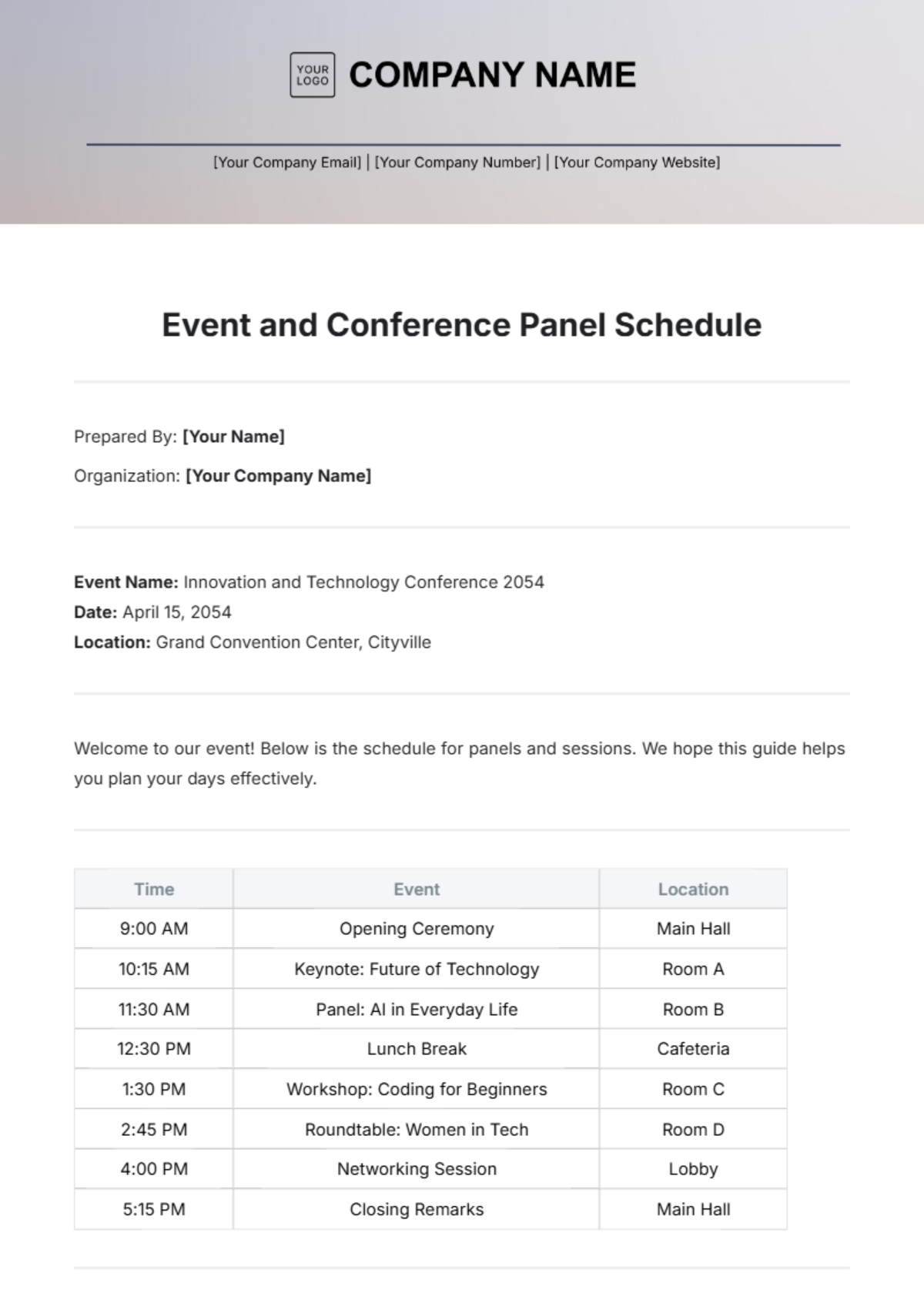
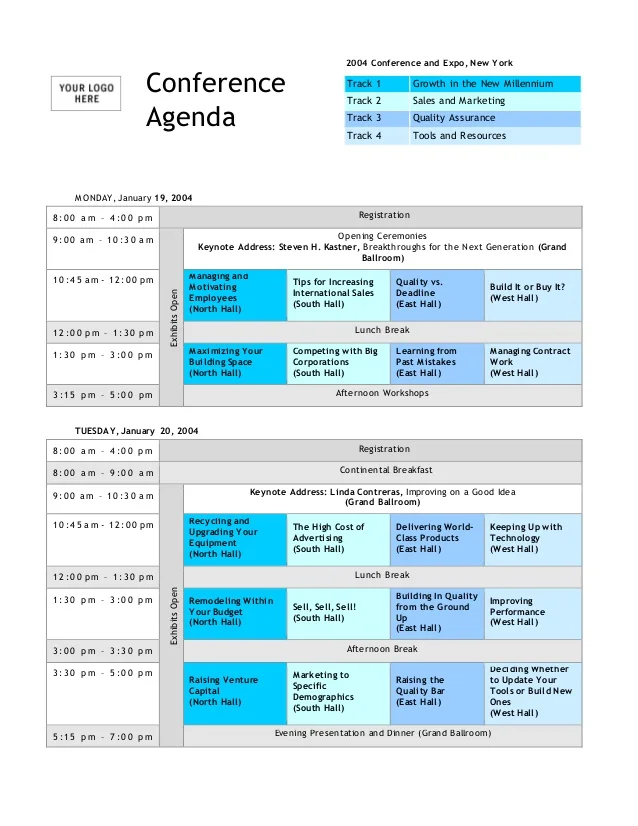
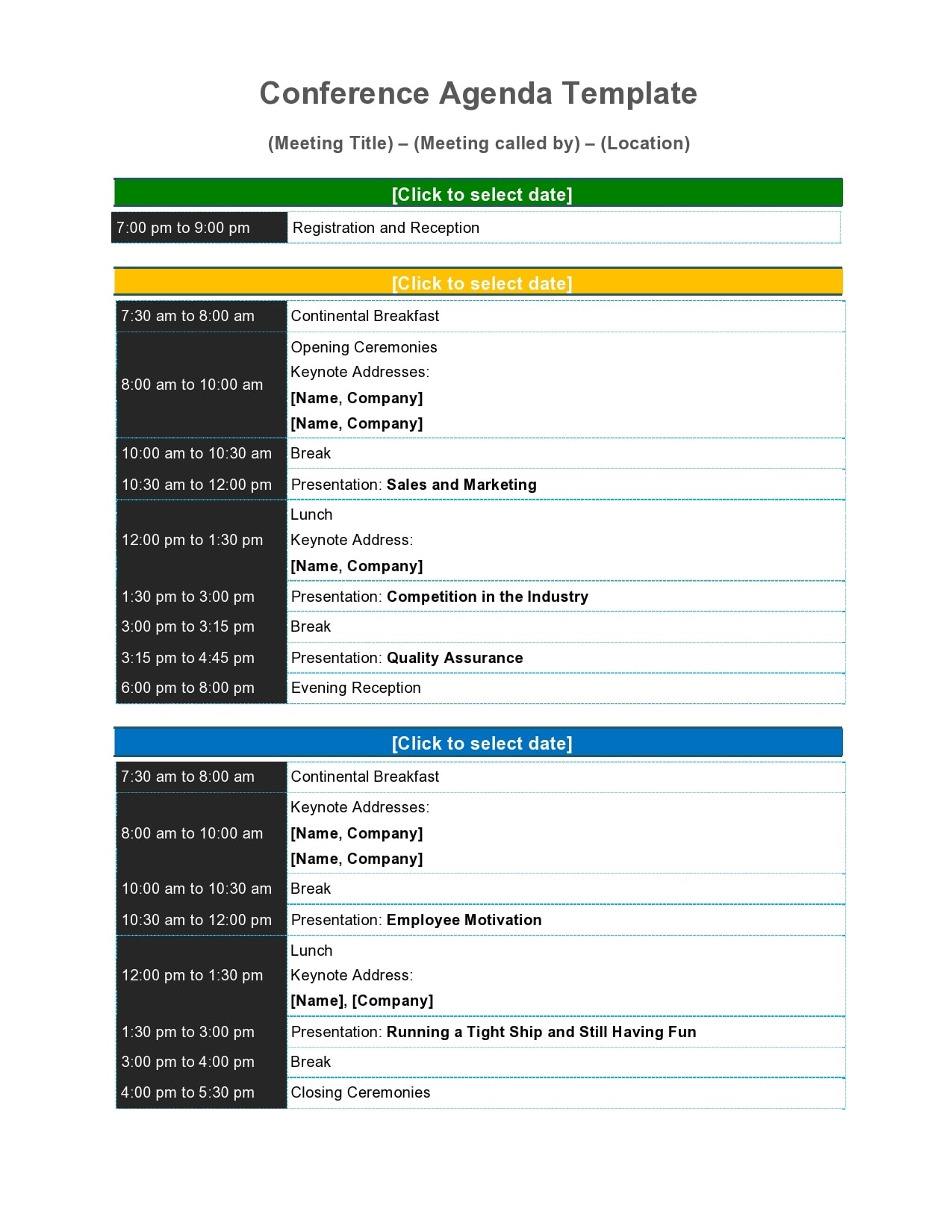
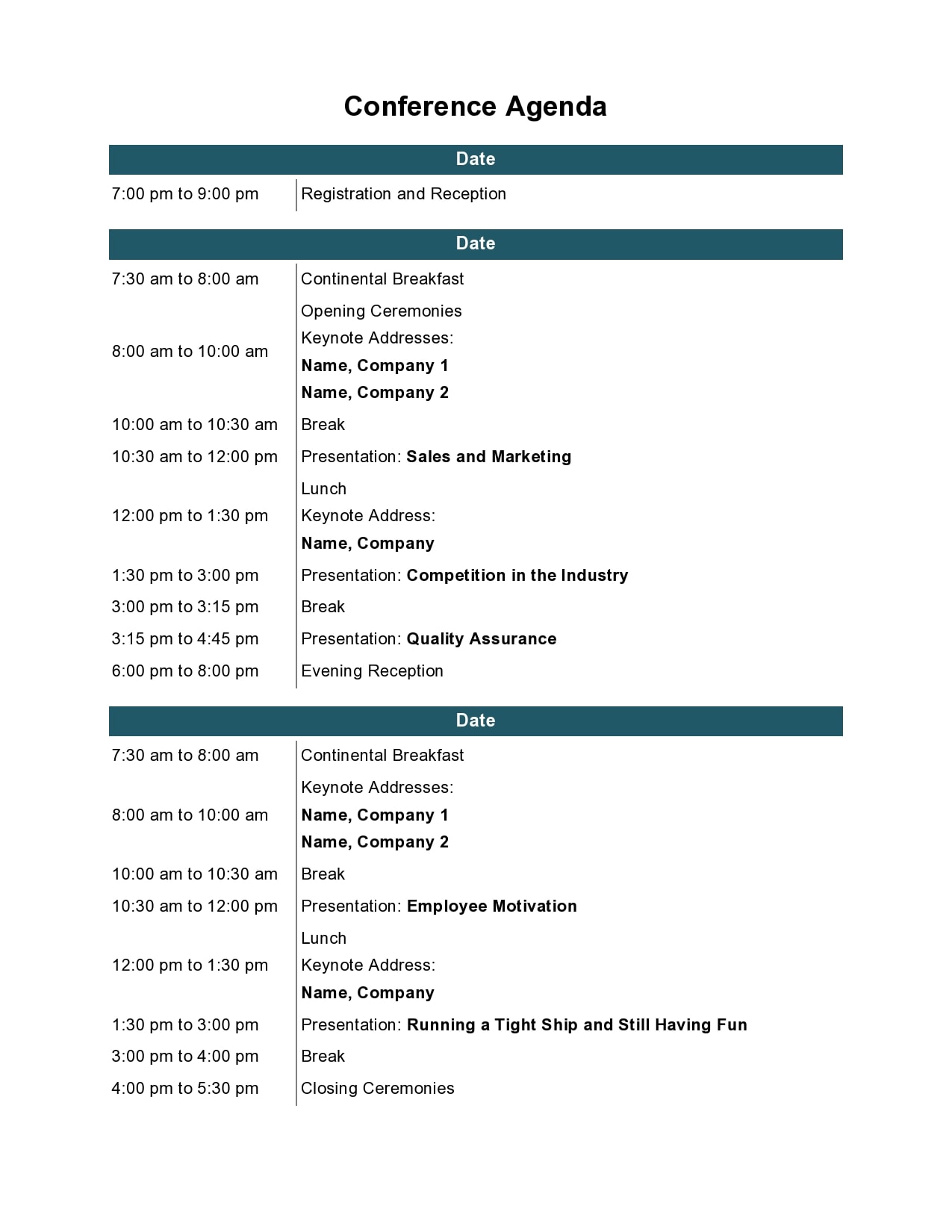
Examples
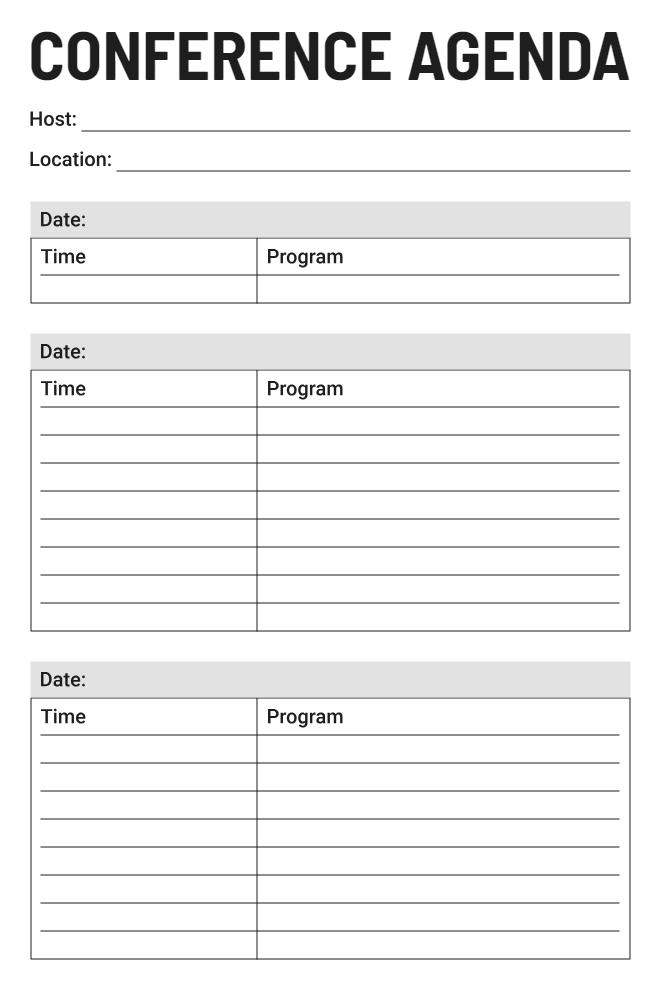
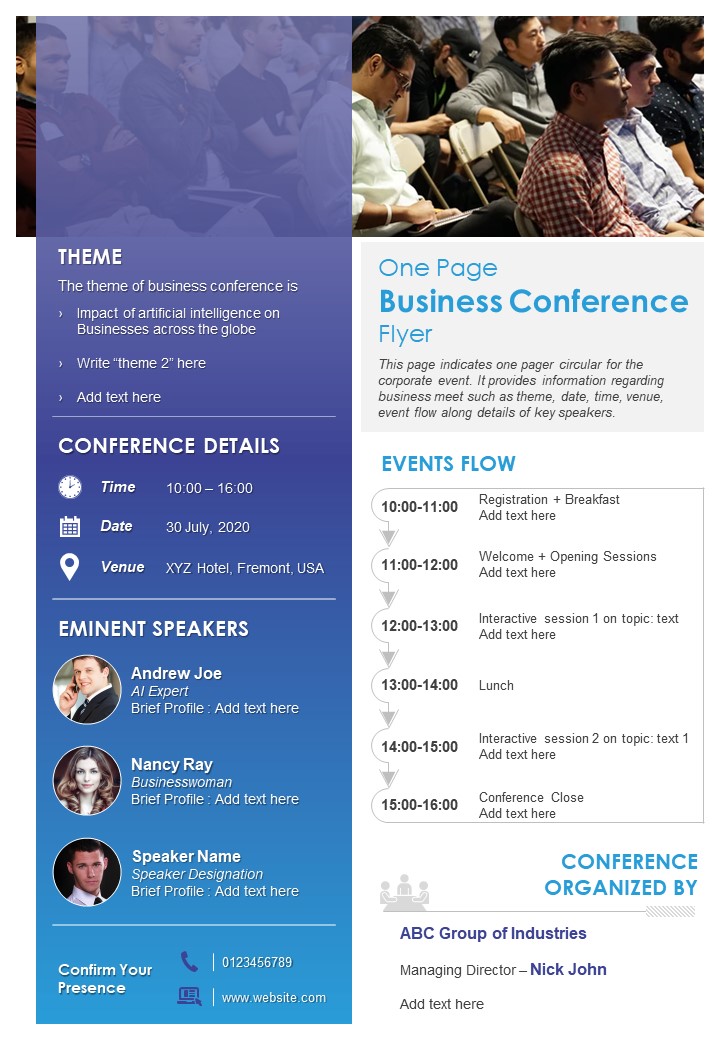
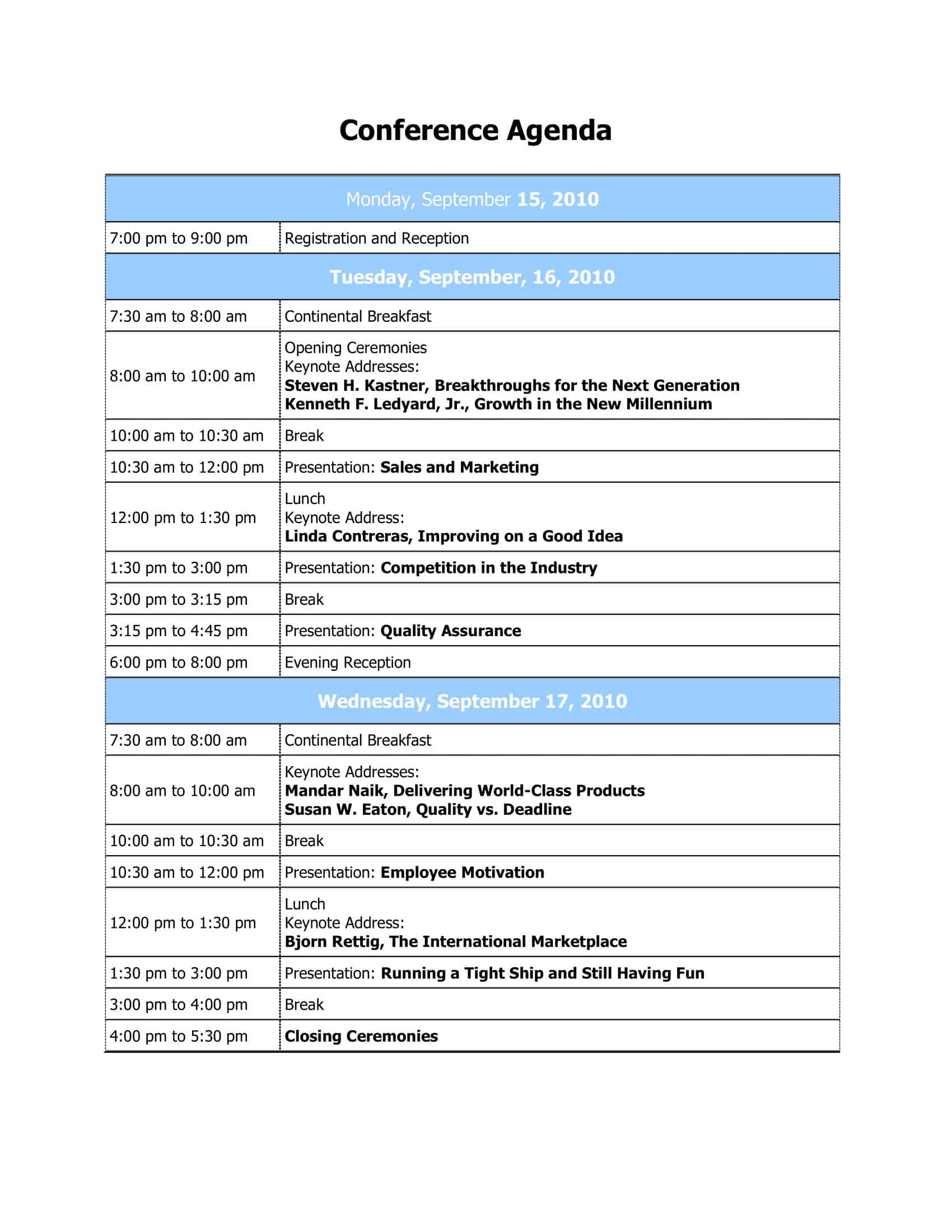
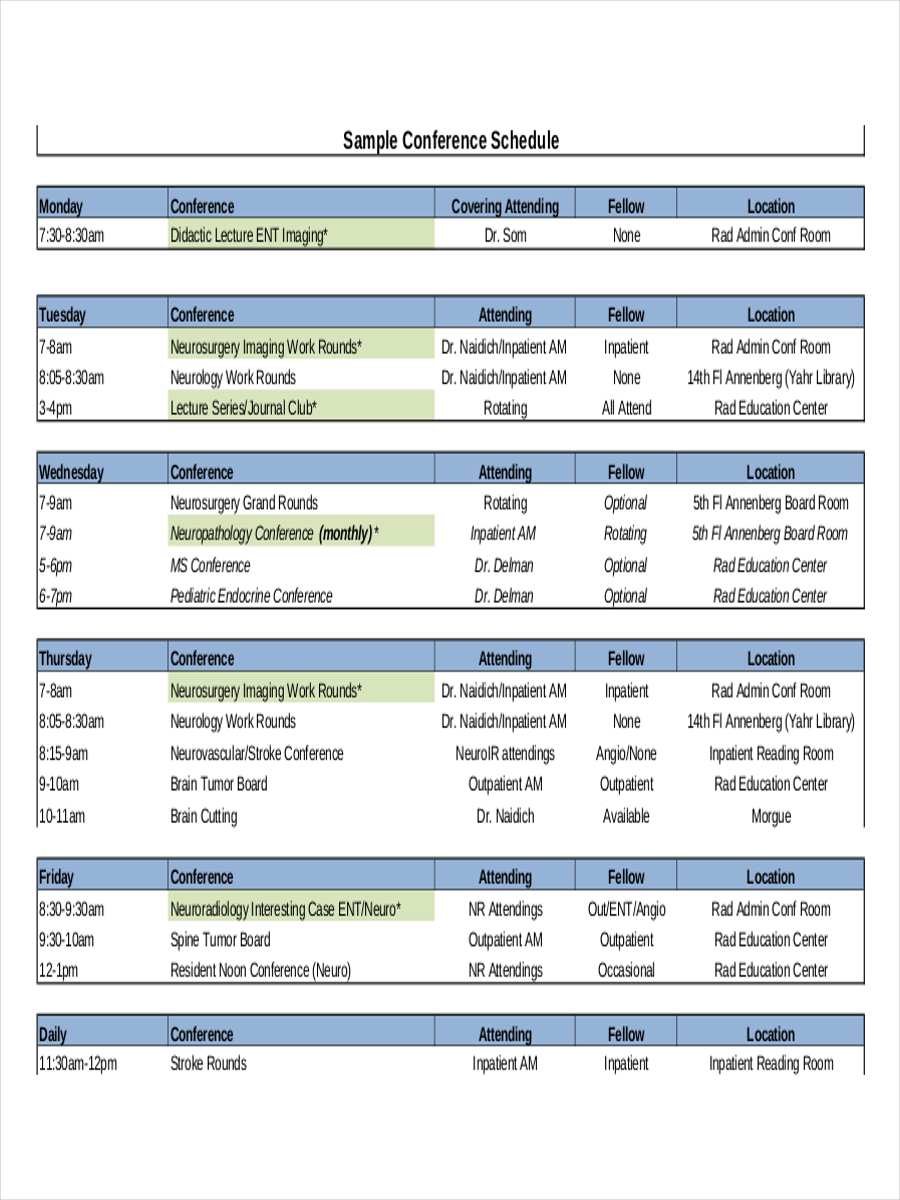
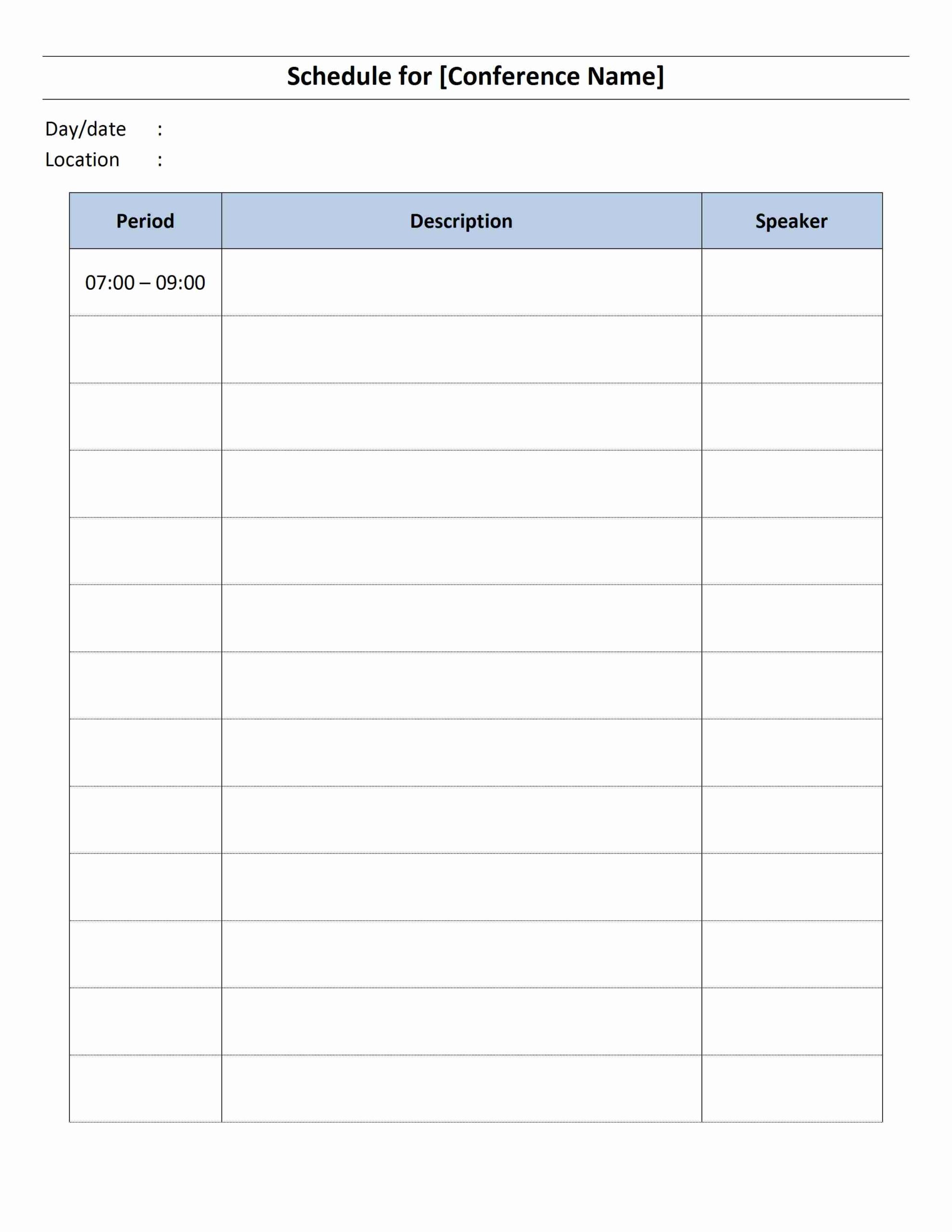
How to Create a One-Day Conference Schedule
Creating a one-day conference schedule requires careful planning, attention to detail, and a focus on delivering value to attendees. Here are some tips to help you craft a compelling and effective schedule for your next event:
Understand Your Audience
Before creating the schedule, it’s essential to have a clear understanding of your target audience, their interests, preferences, and expectations. Tailor the content, sessions, and activities to cater to the needs of your attendees and ensure that the schedule aligns with their goals and objectives. By knowing your audience, you can create a schedule that resonates with them and provides value.
Prioritize Key Sessions
Identify the most important sessions or workshops that you want attendees to participate in and prioritize them in the schedule. Consider the relevance, significance, and impact of each session on the overall conference goals, and allocate sufficient time for these key sessions to ensure they receive the attention they deserve. By highlighting and prioritizing key sessions, you can ensure that attendees are engaged and focused on the most critical aspects of the event.
Allow for Flexibility
While it’s essential to stick to the schedule and maintain a structured agenda, it’s also important to allow for some flexibility to accommodate unexpected changes or delays. Build in buffer time between sessions, have contingency plans in place, and be prepared to adjust the schedule as needed to address any last-minute issues or concerns. Flexibility is key to ensuring that the day runs smoothly and that attendees have a positive experience, even in the face of unforeseen challenges.
Include Interactive Elements
Engage attendees by incorporating interactive elements into the conference schedule, such as Q&A sessions, panel discussions, group activities, or hands-on workshops. Interactive sessions help keep participants actively involved, encourage collaboration and idea-sharing, and create a dynamic and engaging atmosphere throughout the day. By including opportunities for attendees to participate, contribute, and interact with one another, you can enhance the overall experience and foster a sense of community among participants.
Communicate Clearly
Effective communication is essential when it comes to sharing the conference schedule with attendees. Provide detailed information on session topics, speakers, timings, locations, and any other relevant details to help participants plan their day effectively. Make the schedule easily accessible through online platforms, mobile apps, or printed materials, and ensure that any changes or updates are communicated promptly to all attendees. Clear and transparent communication helps set expectations, minimize confusion, and ensure that everyone is on the same page regarding the day’s activities.
Gather Feedback
After the event, gather feedback from attendees on their experience with the conference schedule. Seek input on what worked well, what could be improved, and any suggestions for future events. Use this feedback to evaluate the effectiveness of the schedule, identify areas for enhancement, and make adjustments based on attendeefeedback. By listening to the perspectives and insights of participants, you can gain valuable information on how to refine and optimize the conference schedule for future events, ensuring that it continues to meet the needs and expectations of attendees.
Implement Improvements
Based on the feedback and insights gathered from attendees, take steps to implement improvements to the conference schedule for future events. Consider making adjustments to session timings, content topics, interactive elements, or networking opportunities based on the feedback received. By incorporating feedback and continuously seeking ways to enhance the schedule, you can ensure that each event becomes more engaging, informative, and valuable for participants.
Stay Organized
Organization is key when it comes to creating and managing a successful one-day conference schedule. Keep track of all sessions, speakers, timings, and logistical details to ensure that everything runs smoothly on the day of the event. Use tools such as spreadsheets, calendars, or project management software to stay organized and ensure that all aspects of the schedule are coordinated effectively.
Engage Speakers
Work closely with speakers and presenters to ensure they are well-prepared, aligned with the overall theme of the conference, and aware of their roles and responsibilities. Provide speakers with clear guidelines, expectations, and support to help them deliver engaging and impactful sessions. Encouraging speakers to actively participate in the conference schedule can enhance the overall experience for attendees and ensure that sessions are informative, relevant, and engaging.
Promote Networking
Networking is a critical aspect of any conference, offering attendees opportunities to connect, collaborate, and build relationships with their peers. Encourage networking by providing designated spaces, activities, or sessions specifically designed for participants to interact and engage with one another. Facilitate introductions, encourage conversation, and create a supportive environment that fosters meaningful connections and relationship-building among attendees.
Provide Resources
In addition to the sessions and activities outlined in the schedule, provide attendees with resources that complement their learning and engagement throughout the day. Offer handouts, presentation slides, online materials, or follow-up resources that enhance the content covered in sessions and workshops. By providing additional resources, you can extend the value of the conference beyond the event itself and ensure that participants have access to further learning and information on key topics.
Solicit Feedback
At the end of the event, actively seek feedback from attendees on their experience with the conference schedule. Ask for input on what worked well, what could be improved, and any suggestions for future events. Use this feedback to gain insights into attendee satisfaction, identify areas for enhancement, and gather ideas for how to make the conference schedule even more effective and engaging in the future.
Follow Up
After the conference has concluded, follow up with attendees to thank them for their participation and provide any additional information or resources related to the event. Send a post-event survey to gather feedback, share highlights from the day, and keep participants engaged with the conference’s content and themes. By following up with attendees, you can reinforce the value of their participation, maintain connections, and build anticipation for future events.
By following these tips and guidelines, you can create a one-day conference schedule that is informative, engaging, and successful in achieving its goals of knowledge sharing, relationship building, and community alignment. A well-crafted schedule not only enhances the overall experience for attendees but also reflects positively on the organizers’ ability to plan and execute a successful event. With careful planning, attention to detail, and a focus on delivering value to participants, you can create a conference schedule that keeps attendees informed, engaged, and inspired throughout the day.
One-day Conference Schedule Template – Download
