When it comes to understanding the intricate details of electrical systems in buildings, having a panel schedule is crucial. A panel schedule serves as a comprehensive document that details the circuits and their corresponding loads within a panelboard. Its primary purpose is to provide a clear, organized record for electricians, contractors, and homeowners to understand the electrical layout of a building, facilitating troubleshooting, maintenance, and future modifications.
What Is a Panel Schedule in Electrical Work?
A panel schedule in electrical work is a document that outlines the circuits and loads within a panelboard. It provides detailed information on the electrical connections, circuit breakers, and loads for each circuit in the panel. This document is essential for understanding the electrical layout of a building and ensuring the safe and efficient operation of the electrical system.
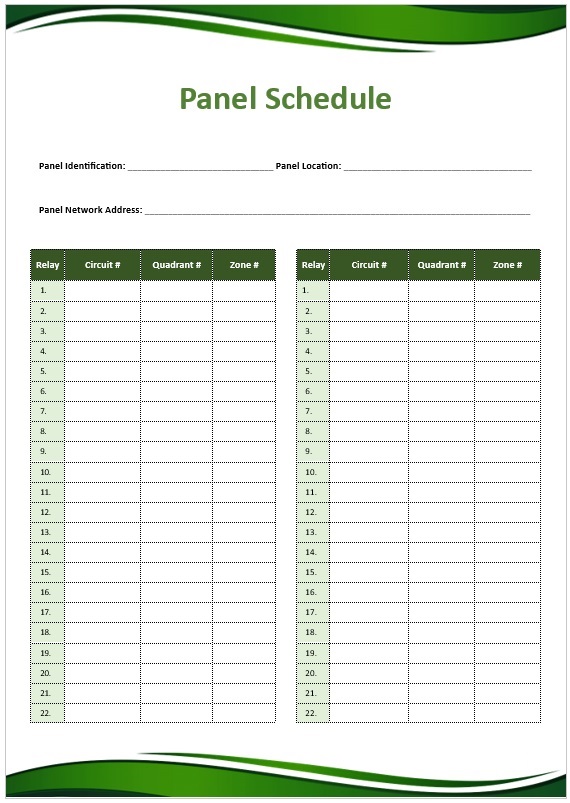
What Does a Panel Board Schedule Show?
A panel board schedule shows the detailed information about the circuits and loads within a panelboard. It includes the circuit number, circuit breaker size, wire size, load type, and load amount for each circuit. This information is crucial for electricians, contractors, and homeowners to identify and troubleshoot electrical issues, perform maintenance, and make modifications to the electrical system.
Why Panel Schedules Matter in Commercial Electrical Jobs
In commercial electrical jobs, panel schedules play a vital role in ensuring the safety and efficiency of the electrical system. With multiple circuits and loads in a commercial building, having a detailed panel schedule helps electricians and contractors identify and address electrical issues quickly. It also provides a roadmap for future modifications and upgrades to the electrical system, saving time and resources in the long run.
Types of Electrical Panel Schedules
There are several types of electrical panel schedules, including:
- Main Panel Schedule. This document outlines the circuits and loads in the main electrical panel of a building.
- Subpanel Schedule. Subpanel schedules detail the circuits and loads in subpanels connected to the main electrical panel.
- Branch Circuit Schedule. Branch circuit schedules provide information on individual branch circuits in the electrical system.
- Feeder Schedule. Feeder schedules outline the feeder circuits that supply power to subpanels or other electrical equipment.
What Information Is Included in an Electrical Panel Schedule?
An electrical panel schedule typically includes the following information:
- Circuit Number. Each circuit is assigned a unique number for identification.
- Circuit Breaker Size. The size of the circuit breaker that protects the circuit from overloads.
- Wire Size. The gauge of the wire used for the circuit.
- Load Type. The type of load (lighting, appliances, outlets, etc.) connected to the circuit.
- Load Amount. The amount of load (in watts or amps) connected to the circuit.
How to Make a Panel Schedule
To create a panel schedule, follow these steps:
- Identify Circuits. Determine the circuits and loads that need to be included in the panel schedule.
- Gather Information. Collect data on circuit numbers, breaker sizes, wire sizes, load types, and load amounts for each circuit.
- Create a Template. Use a spreadsheet or software program to create a panel schedule template.
- Fill in the Details. Enter the information for each circuit into the template, ensuring accuracy and organization.
- Review and Revise. Double-check the panel schedule for any errors or omissions, and make revisions as needed.
Common Mistakes to Avoid in Panel Scheduling
When creating a panel schedule, avoid these common mistakes:
- Incorrect Information. Ensure that all data entered in the panel schedule is accurate and up-to-date.
- Missing Circuits. Make sure to include all circuits and loads in the panel schedule to avoid overlooking any electrical connections.
- Disorganized Layout. Keep the panel schedule well-organized and easy to read for quick reference and troubleshooting.
- Failure to Update. Regularly update the panel schedule to reflect any changes or modifications to the electrical system.
Conclusion
In conclusion, panel schedules are essential documents in electrical work, providing detailed information on circuits and loads within a panelboard. By creating and maintaining accurate panel schedules, electricians, contractors, and homeowners can better understand and manage the electrical layout of a building, ensuring safety, efficiency, and reliability in the electrical system.
