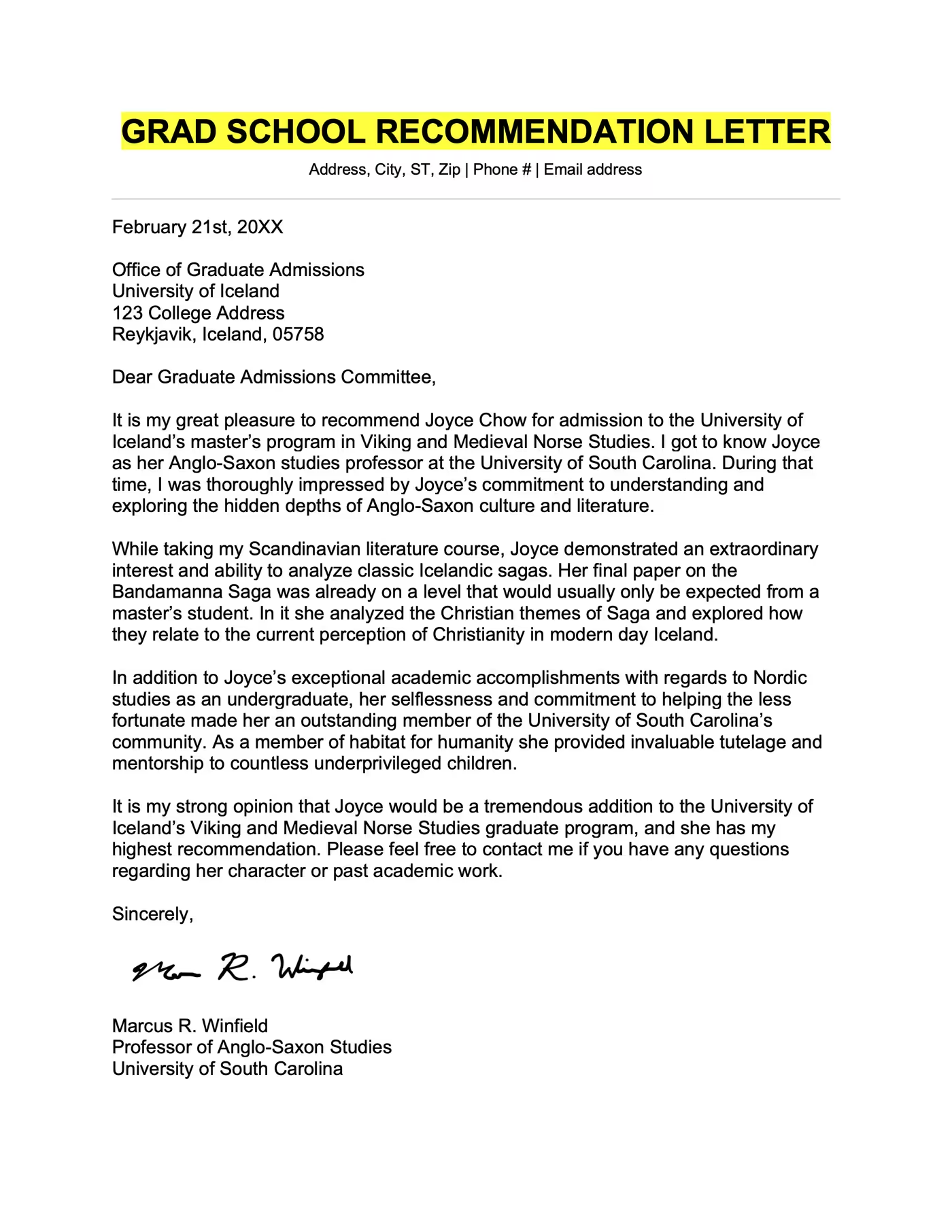
In today’s competitive job and academic markets, it can be challenging for individuals to stand out among their peers. Resumes and applications often provide a snapshot of a person’s qualifications and experiences, but they may not fully capture the essence of who that individual is as a person. This is where personal letters of recommendation come in.
What Is A Letter Of Recommendation?
A letter of recommendation is a document written by a person who knows the individual well and can attest to their character, skills, and abilities. Personal letters of recommendation are specifically designed to offer a third-party perspective on an individual’s personal qualities, integrity, and overall fit for a specific position or opportunity. These letters provide a deeper insight beyond what is presented in an application, giving employers and admissions committees a more comprehensive understanding of the candidate.
When a respected source, such as a former supervisor, teacher, mentor, or colleague, writes a personal letter of recommendation, it adds credibility to the individual’s profile. It serves as a validation of the person’s traits and provides a personalized account of their capabilities from someone who has firsthand knowledge of their abilities.
The Benefits Of A Personalized Letter Of Recommendation
Personal letters of recommendation offer several advantages for both the candidate and the recipient. For the candidate, a personalized letter of recommendation can:
– Provide a more holistic view of their personality and strengths
– Highlight specific examples of their accomplishments and qualities
– Differentiate them from other applicants with similar qualifications
– Demonstrate their fit for a specific role or program
– Serve as a testament to their character and integrity
For the recipient, a personal letter of recommendation can:
– Provide valuable insights into the candidate’s character and abilities
– Offer a more nuanced understanding of the candidate’s potential
– Help in making informed decisions about hiring or admissions
– Strengthen the credibility of the candidate’s application
– Convey a sense of trust and endorsement from a reputable source
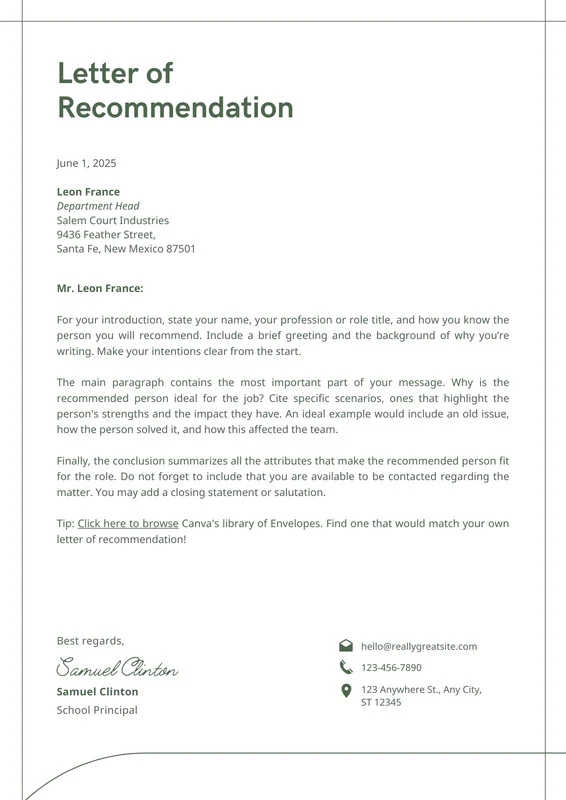
How To Write A Letter Of Recommendation
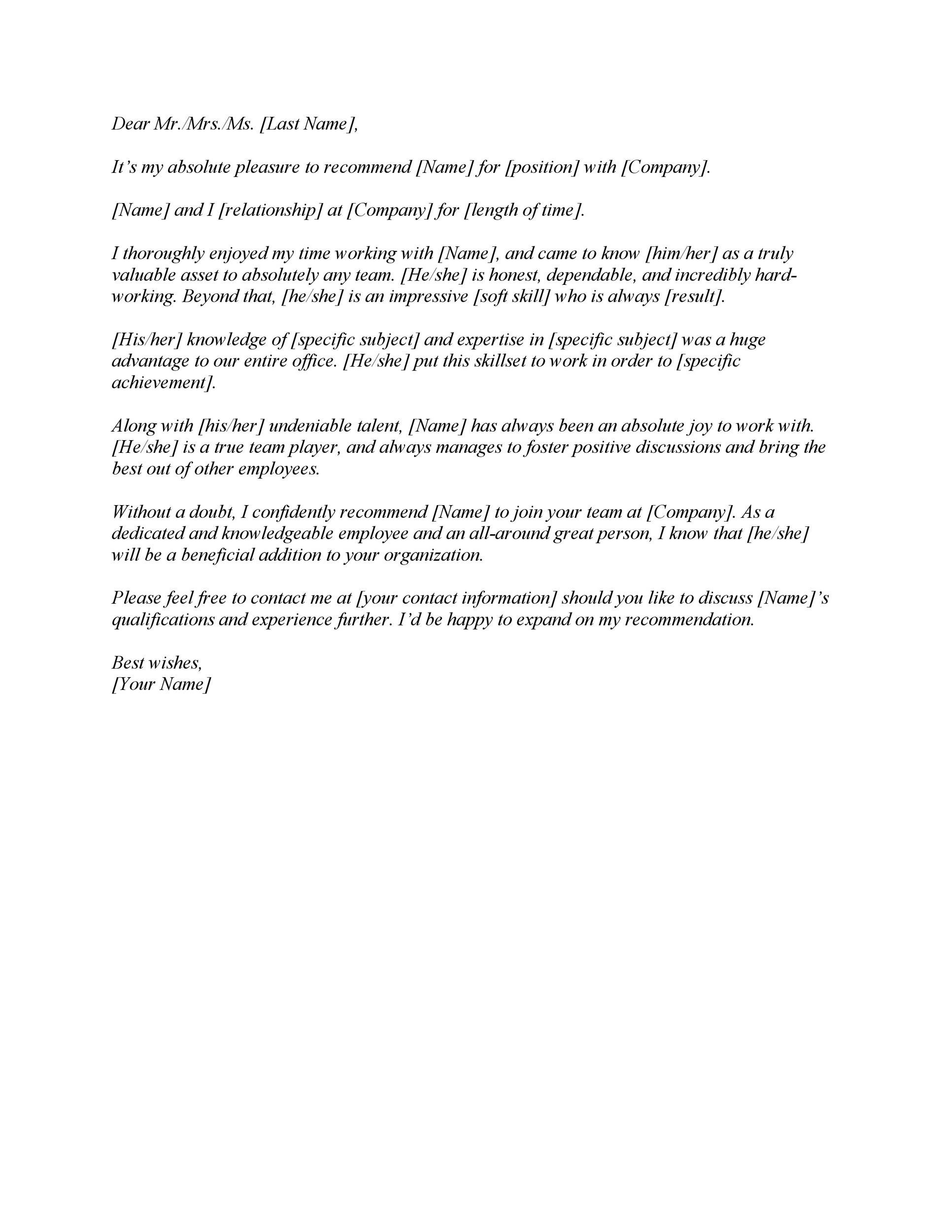
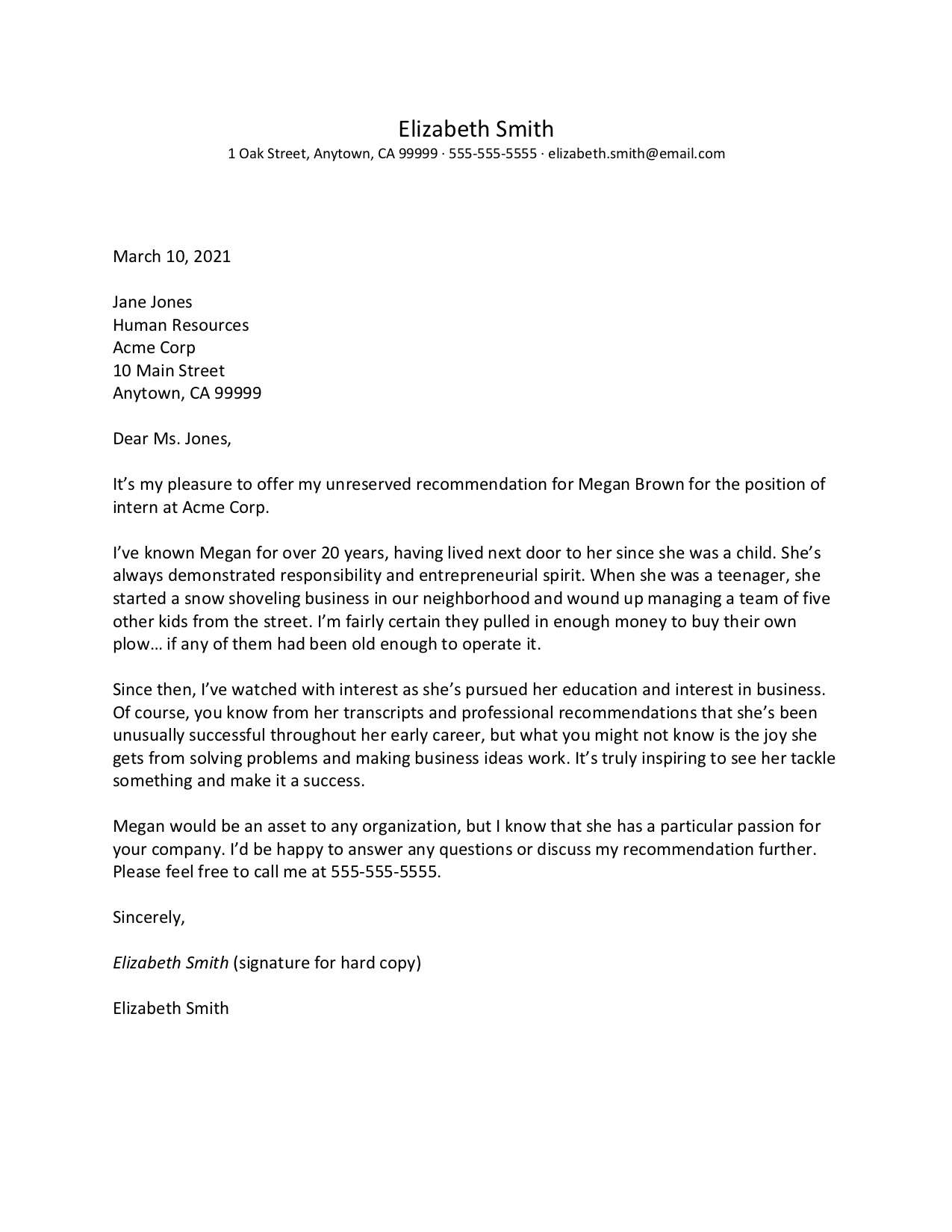
When writing a personal letter of recommendation, it is important to be honest, specific, and thoughtful. Here are some tips for crafting an effective letter:
– Begin by stating your relationship with the candidate and how long you have known them
– Highlight the candidate’s key strengths, skills, and qualities
– Provide specific examples of the candidate’s achievements and contributions
– Tailor the letter to the specific role or program the candidate is applying for
– Be positive and enthusiastic in your endorsement of the candidate
– Offer to provide further information or clarification if needed
1. Be Authentic and Genuine
It is essential to write from the heart and genuinely express your thoughts and feelings about the candidate. Avoid using generic language or cliches and instead focus on what makes the individual unique and special.
2. Showcase the Candidate’s Achievements
Include specific examples of the candidate’s accomplishments, skills, and qualities that relate to the position or program they are applying for. Use concrete details to paint a vivid picture of the candidate’s capabilities.
3. Tailor the Letter to the Audience
Consider the preferences and expectations of the recipient when writing the letter. Customize your content to align with what the employer or admissions committee is looking for in a candidate.
4. Provide Contact Information
Include your contact information at the end of the letter in case the recipient wants to follow up with additional questions or requests for more information about the candidate.
5. Offer Constructive Feedback
While it is important to highlight the candidate’s strengths, it is also helpful to mention areas where they can improve or grow. This shows that you have a balanced perspective on the individual.
6. Use a Professional Tone
Maintain a professional and respectful tone throughout the letter. Avoid using informal language or making jokes that could be misinterpreted by the recipient.
7. Proofread and Edit Carefully
Before sending the letter, make sure to proofread it for any grammatical errors, typos, or inconsistencies. Editing the content will ensure that your message is clear and impactful.
8. Follow Up After Sending
After sending the letter, follow up with the recipient to confirm that they have received it and to offer any additional assistance or clarification if needed.
When To Use Personal Vs. Professional Recommendations?
There may be situations where a personal letter of recommendation is more appropriate than a professional one, and vice versa. Here are some scenarios where each type of recommendation may be preferred:
– Personal Letter of Recommendation: When applying for a volunteer position, internship, scholarship, or program where personal qualities and character are important.
– Professional Letter of Recommendation: When applying for a job, graduate school, or professional certification where specific skills and experiences are the main focus.
Ultimately, the decision to use a personal or professional recommendation will depend on the context and requirements of the application process. It is essential to consider what aspects of the candidate’s profile need to be highlighted and choose the type of recommendation that best aligns with those needs.
In conclusion, personal letters of recommendation play a crucial role in providing a comprehensive and personalized account of an individual’s qualities, character, integrity, and skills. They offer a deeper insight into who the candidate is as a person and help employers and admissions committees make informed decisions about their fit for a position, program, or opportunity. By following the tips outlined in this article, both the writer and recipient of a personal letter of recommendation can maximize its impact and value in the application process.
Personal Letter of Recommendation Template
