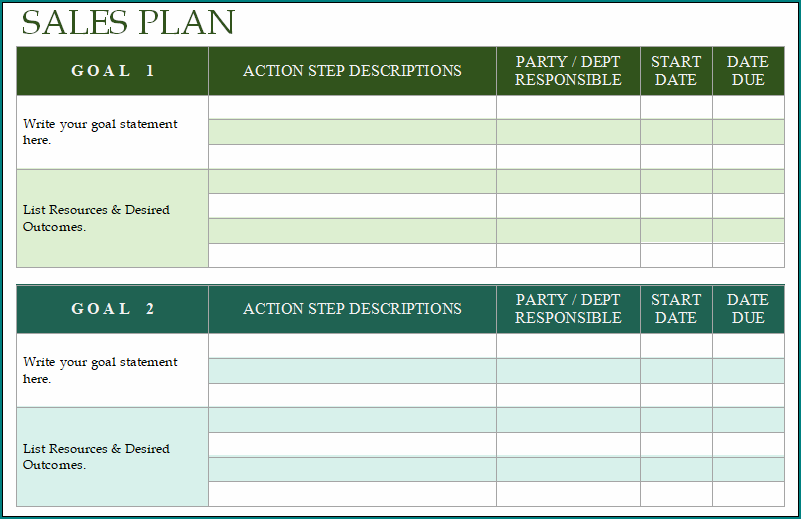
Creating a sales business plan is essential for any company looking to hit its revenue targets and achieve success. A well-thought-out plan provides a clear, operational roadmap that guides the organization on how to reach its sales goals. In this article, we will explore the key elements of a sales business plan, why it is important, and how you can create one for your business.
What is a Sales Business Plan?
A sales business plan is a strategic document that outlines the company’s sales objectives, target market, sales strategies, and tactics to achieve those objectives. It serves as a roadmap for the sales team, providing a clear direction on how to generate revenue and meet sales targets. The plan typically includes a detailed analysis of the market, competition, and target customers, as well as a sales forecast and budget.
Why is a Sales Business Plan Important?
A sales business plan is crucial for the success of any organization for several reasons:
1. Provides a clear direction: A well-defined plan helps the sales team focus on their goals and objectives, ensuring that everyone is aligned and working towards the same targets.
2. Helps prioritize activities: By outlining key strategies and tactics, a sales business plan helps prioritize activities and resources to maximize sales performance.
3. Identifies opportunities and challenges: The plan allows the organization to identify potential opportunities in the market and anticipate any challenges that may arise.
4. Sets measurable goals: A sales business plan sets specific, measurable, achievable, relevant, and time-bound (SMART) goals that provide a benchmark for success and allow for tracking progress.
5. Guides decision-making: Having a plan in place helps the sales team make informed decisions based on data and analysis rather than relying on guesswork.
6. Enables performance tracking: A well-developed plan allows for monitoring and evaluating sales performance, making it easier to identify areas for improvement and take corrective actions.
Key Elements of a Sales Business Plan
A successful sales business plan typically includes the following key elements:
1. Executive Summary: Provides an overview of the plan, highlighting key objectives and strategies.
2. Market Analysis: Includes an assessment of the market, competition, and target customers.
3. Sales Strategies: Outlines the sales approach, tactics, and channels to reach the target market.
4. Sales Forecast: Projects sales revenue based on market trends, historical data, and growth opportunities.
5. Budget: Allocates resources and expenses needed to implement the sales plan effectively.
6. Sales Team Structure: Defines the roles and responsibilities of the sales team members.
7. Performance Metrics: Sets KPIs and metrics to measure sales performance and track progress.
Samples of Sales Business Plans:


How to Create a Sales Business Plan
Creating a sales business plan involves several steps:
1. Define Your Objectives: Set clear, specific sales goals that align with your overall business objectives.
2. Analyze the Market: Conduct a thorough analysis of the market, competition, and target customers to identify opportunities and challenges.
3. Develop Sales Strategies: Outline the sales strategies, tactics, and channels you will use to reach your target market and achieve your sales goals.
4. Create a Sales Forecast: Project your sales revenue based on market trends, historical data, and growth opportunities.
5. Allocate Resources: Determine the resources and budget needed to implement your sales plan effectively.
6. Define Roles and Responsibilities: Clearly define the roles and responsibilities of the sales team members to ensure accountability and alignment.
7. Set Performance Metrics: Establish KPIs and metrics to measure sales performance and track progress towards your sales goals.
Tips for Successful Sales Business Planning
1. Involve Key Stakeholders: Collaborate with key stakeholders, including sales team members, marketing, and finance, to ensure alignment and buy-in.
2. Be Realistic: Set achievable sales goals based on data and analysis rather than unrealistic expectations.
3. Review and Adjust: Regularly review your sales business plan and make adjustments as needed to adapt to changing market conditions.
4. Communicate Effectively: Ensure clear communication of the sales plan to the entire organization to ensure everyone is on the same page.
5. Monitor Progress: Continuously monitor sales performance against your plan and make adjustments as needed to stay on track.
6. Seek Feedback: Gather feedback from the sales team and other stakeholders to improve the effectiveness of your sales plan.
7. Celebrate Success: Recognize and celebrate achievements and milestones to motivate the sales team and maintain momentum.
Creating a successful sales business plan requires careful planning, analysis, and execution. By following these steps and tips, you can develop a comprehensive plan that will guide your sales team towards achieving its revenue targets and driving business growth.
Sales Business Plan Template | Word download
