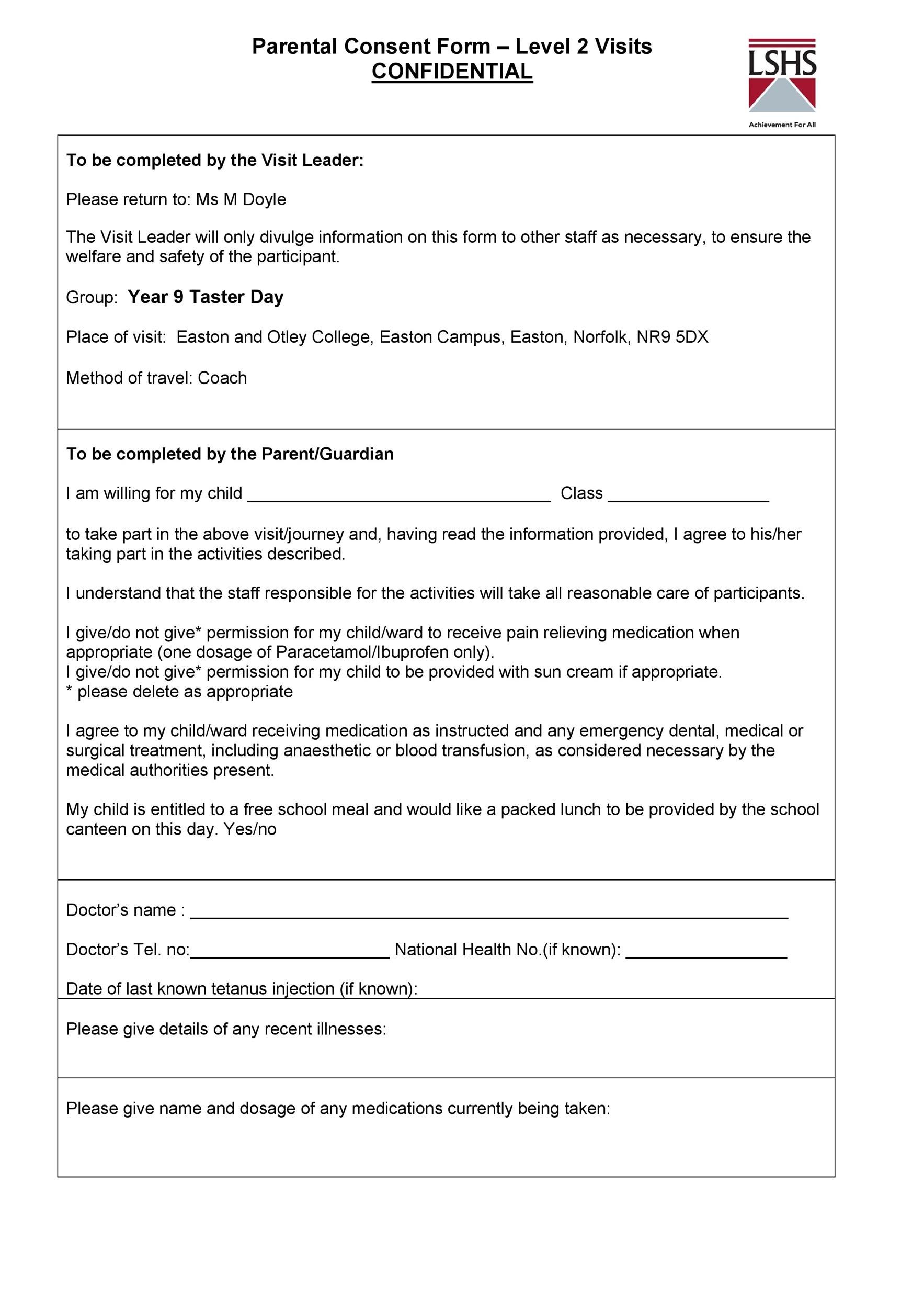
Parent consent forms play a crucial role in various aspects of a child’s life, providing legal authorization from a parent or guardian for a minor to participate in activities, have their information used, or undergo procedures. These forms are essential for ensuring the safety of the child and protecting the rights of all parties involved. From school events like field trips to medical treatments, travel, sports, research, and photography, parent consent forms are a vital tool in documenting parental permission and providing necessary information about risks and emergency contacts.
What is a Parent Consent Form?
A parent consent form is a legal document that grants permission from a parent or guardian for a minor to participate in a specific activity or have their personal information used for a particular purpose. These forms are designed to protect the child’s rights and ensure that the parent or guardian is aware of and agrees to the risks involved in the activity. Parent consent forms are commonly used in schools, medical facilities, sports organizations, research studies, and other situations where minors are involved.
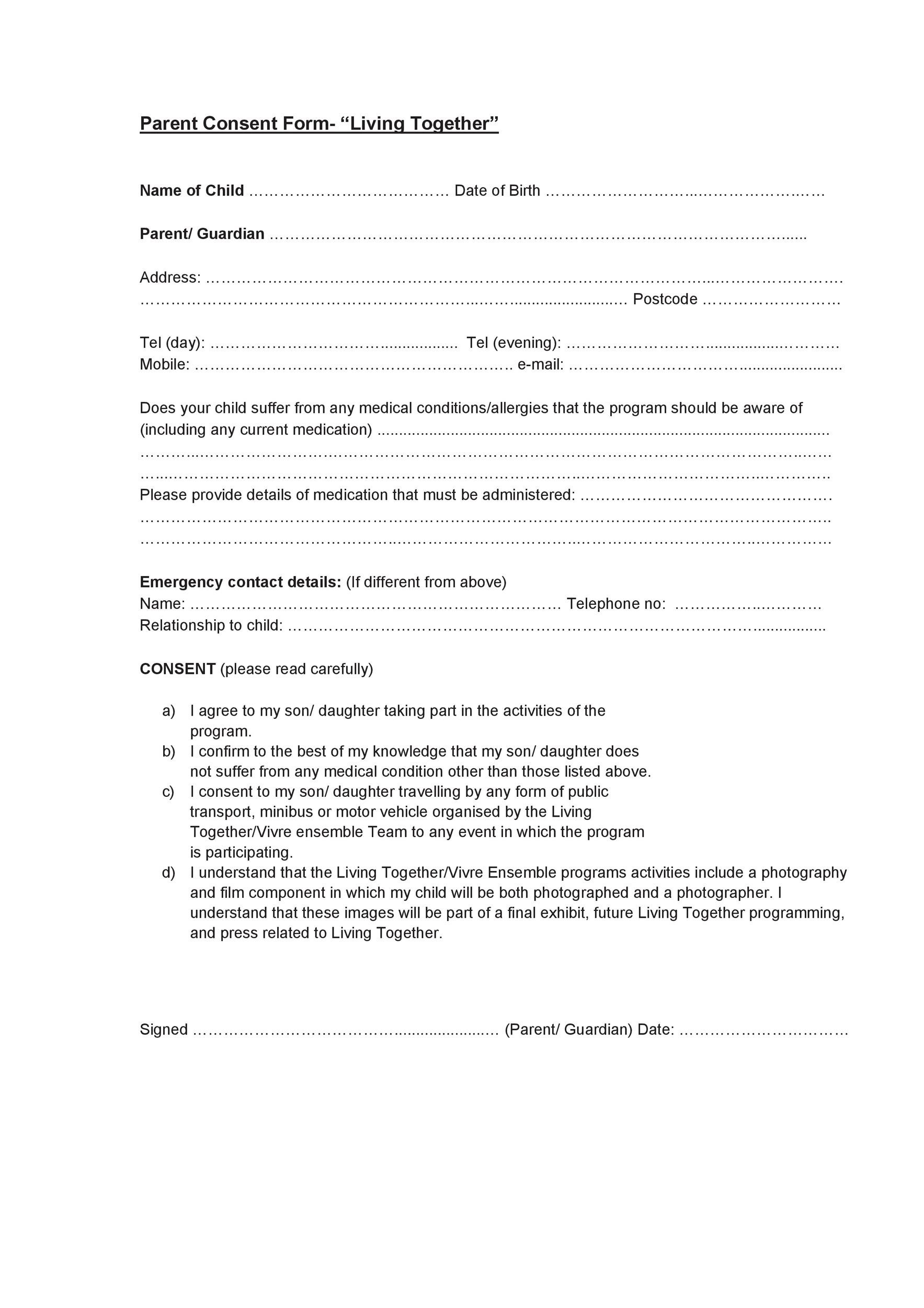
Importance of Parental Consent
Parental consent is crucial for several reasons. It ensures that the parent or guardian is aware of the child’s participation in an activity and has given permission for it. This not only protects the child’s safety but also safeguards the organization or individuals conducting the activity from any legal liabilities. Parental consent forms also provide important information about the child, such as emergency contacts and medical conditions, which can be crucial in case of any unforeseen circumstances.
1. Protecting the Child’s Safety
Parent consent forms help ensure that the child’s safety is a top priority during any activity. By obtaining permission from a parent or guardian, organizations can be certain that the child’s participation is approved by someone who has the authority to make decisions on their behalf. This helps prevent any potential risks or dangers that may arise during the activity.
2. Legal Authorization
Parent consent forms provide legal authorization for the child to participate in the activity, use their information, or undergo a procedure. This document serves as proof that the parent or guardian has given their consent and can be used to protect the organization or individuals involved in the activity from any legal disputes or claims.
3. Documentation of Risks and Emergency Contacts
Parent consent forms require parents or guardians to provide information about any risks associated with the activity and emergency contacts in case of any accidents or emergencies. This information is crucial for ensuring that the child’s well-being is taken care of and that appropriate measures can be taken if any unforeseen events occur.
Types of Parental Consent
There are several types of parental consent forms, each serving a specific purpose based on the activity or procedure the child is involved in. Some common types of parental consent include:
- Medical Consent Form: This form grants permission for medical treatment or procedures to be administered to the child in case of illness or injury.
- Field Trip Consent Form: This form allows the child to participate in a school-sponsored field trip or outing.
- Sports Participation Consent Form: This form authorizes the child to participate in sports activities and competitions.
- Research Study Consent Form: This form gives permission for the child to participate in a research study or clinical trial.
- Photography Consent Form: This form allows the child’s image to be used for photography or video purposes.
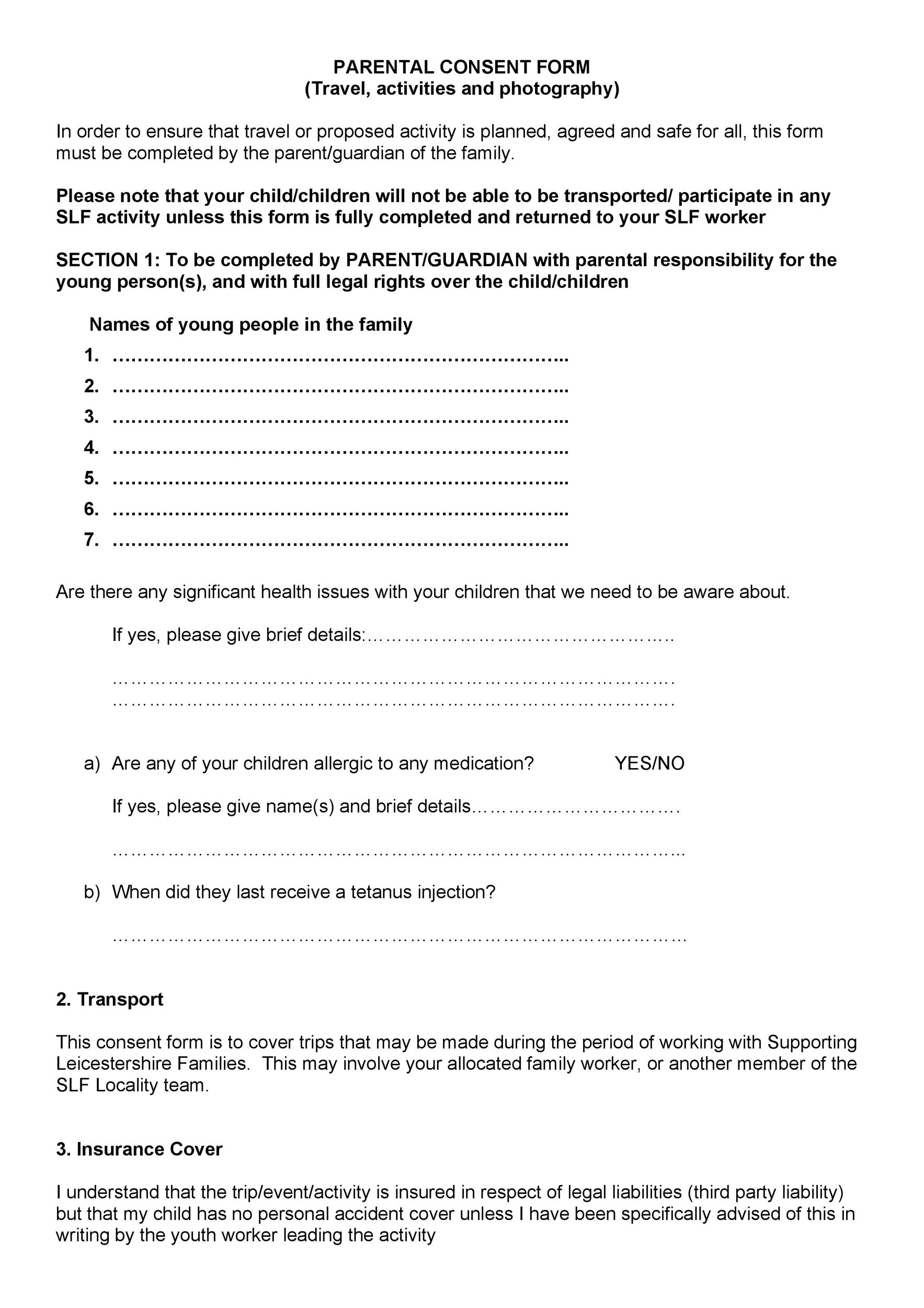
How to Write a Parental Consent Letter
Writing a parental consent letter can be a straightforward process if you follow these steps:
1. Clearly state the purpose of the consent form and the activity or procedure it pertains to.
2. Provide detailed information about the risks involved and any emergency contacts.
3. Include specific dates, times, and locations of the activity.
4. Clearly outline the parent or guardian’s contact information and signature.
5. Ensure that the form is easy to understand and includes all necessary details.
Who Should Sign The Consent Letter?
The parent or legal guardian of the child should sign the consent letter. It is essential to have the signature of the person who has the legal authority to make decisions on behalf of the child. This ensures that the consent is valid and legally binding.
In conclusion, parent consent forms are a vital tool in ensuring the safety and well-being of children in various activities and procedures. By obtaining legal authorization from a parent or guardian, organizations can protect themselves from legal liabilities and ensure that the child’s rights are respected. It is essential to carefully consider the specific requirements of each activity and procedure when drafting a parent consent form to ensure that all necessary information is included and that the form is legally binding.
