A job reference letter is one of the most valuable documents in the modern hiring process. Employers often rely on it to confirm a candidate’s employment history, evaluate their professional behavior, and understand how they performed in previous roles. While resumes and interviews provide insight from the applicant’s perspective, a reference letter delivers an external and more objective evaluation from someone who has directly observed the candidate’s work ethic, skills, and accomplishments.
In today’s competitive employment market, hiring managers want more than a list of qualifications. They seek trustworthy employees who can contribute positively to the workplace, collaborate effectively with teams, and consistently achieve results. A well-written job reference letter helps bridge the gap between claims and evidence by offering concrete examples of professional achievements and personal qualities.
Whether written by a manager, supervisor, colleague, or business associate, a strong reference letter can significantly influence a hiring decision. It can highlight leadership ability, communication skills, reliability, problem-solving capacity, and adaptability in real-world situations. For candidates applying to high-level or specialized positions, a compelling recommendation may even become the deciding factor that separates them from other applicants.
This article explores every important aspect of a job reference letter, including what it is, why it matters, how to write one effectively, and the best strategies for ensuring it delivers maximum impact. By understanding the structure and purpose of this document, both employers and employees can use it as a powerful professional tool for career advancement and recruitment success.
What Is a Job Reference Letter?
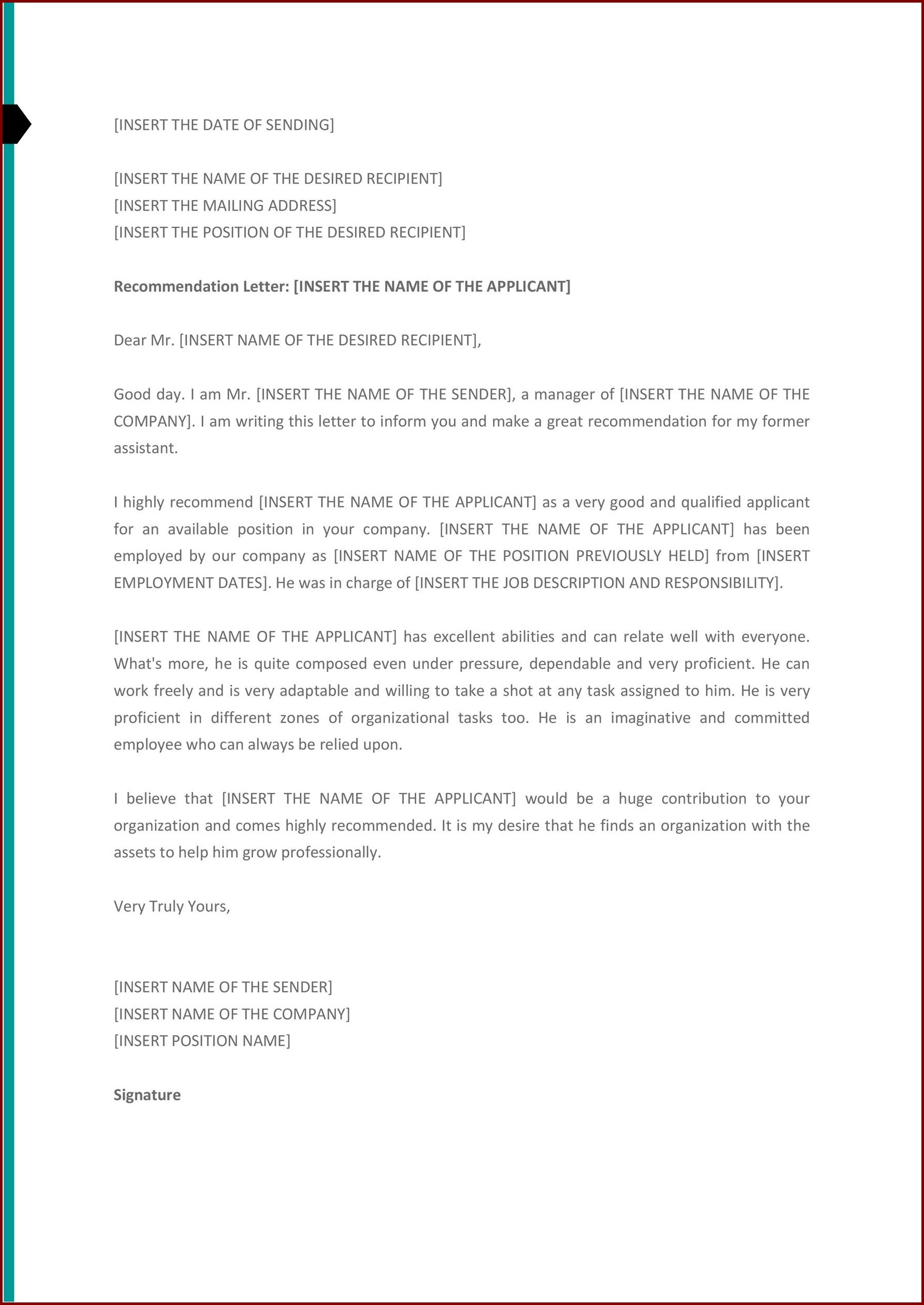
A job reference letter is a formal document written by a previous employer, manager, supervisor, or professional colleague to verify a candidate’s employment background and assess their professional capabilities. It serves as a third-party endorsement that provides prospective employers with trustworthy information about the applicant’s work history, skills, and character.
Unlike a resume, which is written by the candidate themselves, a reference letter reflects an external perspective. This makes it particularly valuable during recruitment because it confirms the accuracy of a candidate’s claims while offering additional insight into their workplace behavior and overall performance.
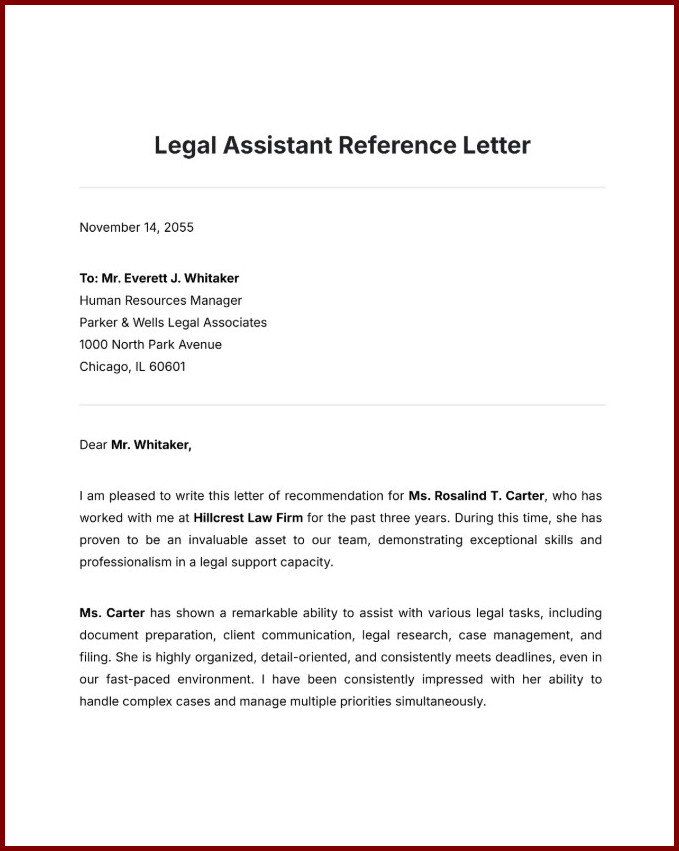
A professional reference letter usually includes details such as the candidate’s job title, duration of employment, responsibilities, achievements, and interpersonal skills. It may also include examples of how the employee handled challenges, contributed to team projects, or exceeded performance expectations.
In many industries, employers use reference letters to reduce hiring risks. They help organizations determine whether a candidate is dependable, qualified, and suitable for the company culture. Strong references can reassure hiring managers that they are making informed decisions.
- Employment Verification. A reference letter confirms that the candidate worked for a specific company during a stated period and held a particular role.
- Professional Assessment. The document provides an evaluation of the employee’s skills, strengths, and work performance based on direct experience.
- Character Evaluation. Employers often include comments about honesty, integrity, teamwork, and professionalism.
- Evidence of Achievement. Effective reference letters highlight measurable accomplishments and contributions within the organization.
- Hiring Support. Hiring managers use reference letters to support their recruitment decisions and reduce uncertainty during the hiring process.
- Career Advancement Tool. Candidates can use strong references to improve their credibility and competitiveness in the job market.
Why Is a Job Reference Letter Important?
1. Builds Professional Credibility
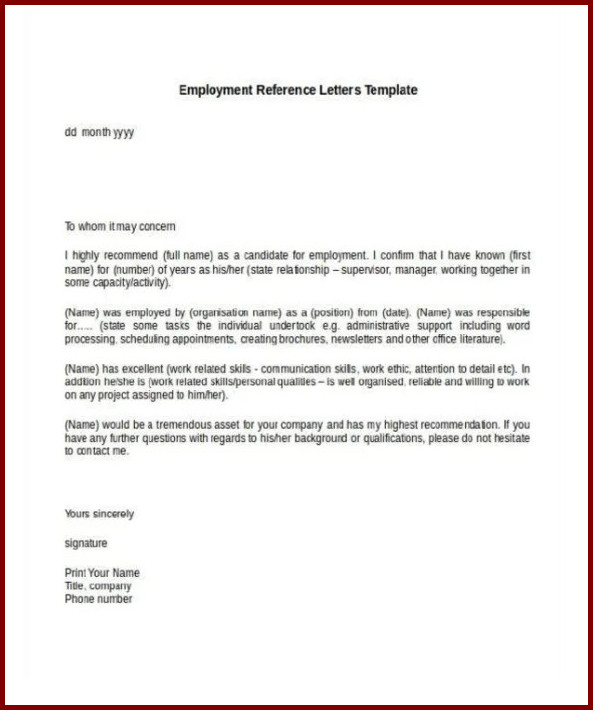
A reference letter strengthens a candidate’s credibility by confirming their qualifications and achievements through an independent source. Employers are more likely to trust information supported by former supervisors or managers.
2. Confirms Work Experience
Reference letters validate employment history, including job positions, responsibilities, and duration of service. This helps employers verify the accuracy of a candidate’s resume.
3. Highlights Workplace Strengths
An effective reference letter emphasizes qualities such as leadership, teamwork, communication, problem-solving, and reliability. These attributes are often difficult to fully demonstrate during interviews alone.
4. Provides Real Examples of Success
Concrete examples of accomplishments help employers understand how a candidate performs in practical work situations. Metrics and achievements make the recommendation more convincing.
5. Supports Hiring Decisions
Hiring managers use reference letters to compare candidates and identify individuals who are likely to succeed within the organization. Positive endorsements can influence final recruitment decisions.
6. Demonstrates Professional Relationships
A strong recommendation indicates that the candidate maintained positive working relationships with supervisors and colleagues. This reflects professionalism and interpersonal competence.
7. Reduces Hiring Risks
Employers want to minimize recruitment mistakes. Reference letters help identify dependable and trustworthy candidates who have proven records of success in previous positions.
8. Enhances Career Opportunities
Candidates with excellent references often gain access to better career opportunities, leadership roles, and higher levels of professional trust within their industries.
How to Write a Professional Job Reference Letter
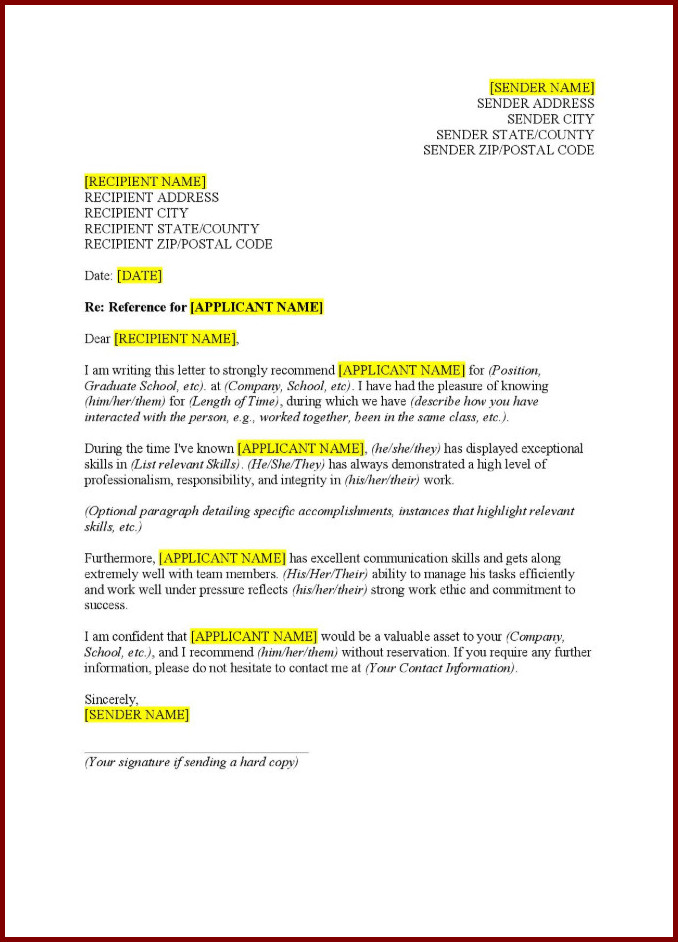
Writing a professional job reference letter requires clarity, honesty, and structure. The purpose of the letter is not only to recommend the candidate but also to provide meaningful information that helps employers evaluate their qualifications and work ethic. A vague or generic recommendation may fail to create a strong impression, while a detailed and personalized letter can significantly strengthen the candidate’s application.
The writer should focus on accuracy and professionalism throughout the document. A good reference letter should explain the relationship between the writer and the candidate, describe the candidate’s responsibilities, highlight achievements, and conclude with a strong recommendation.
It is important to maintain a formal tone while also making the content engaging and sincere. Employers value specific examples because they provide evidence of performance rather than simple praise. Including measurable accomplishments, leadership examples, and workplace contributions can make the letter more persuasive.
The structure of the letter should also be organized and easy to read. Employers often review multiple applications in a limited time, so concise and well-structured content improves readability and effectiveness.
How a Job Reference Letter Should Be Structured
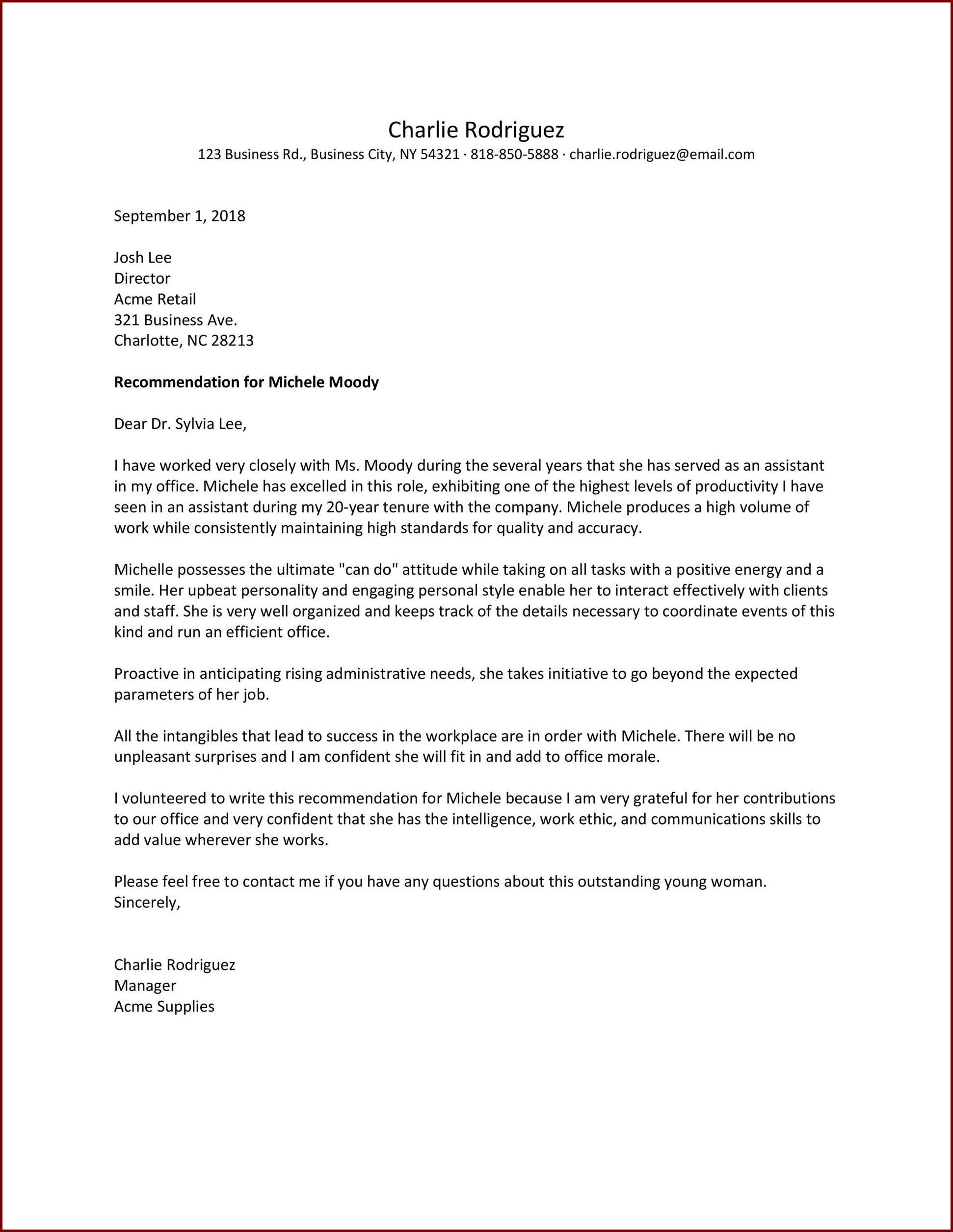
A properly structured reference letter ensures that important information is communicated clearly and professionally. Each section should contribute to building a complete picture of the candidate’s qualifications, character, and professional performance.
1. Start With a Professional Introduction
The opening paragraph should identify the writer, explain their professional position, and describe their relationship with the candidate. It should also mention how long the writer has known or supervised the employee.
For example, a manager may explain that they supervised the candidate for several years and observed their performance in various projects and responsibilities. This establishes authority and credibility.
2. Describe the Candidate’s Role and Responsibilities
The second section should explain the candidate’s job title, key responsibilities, and primary duties within the organization. This provides context for the employer reviewing the letter.
Writers should include information that demonstrates the complexity or significance of the candidate’s role. Mentioning leadership responsibilities, project management duties, or specialized expertise can strengthen the recommendation.
3. Highlight Key Skills and Strengths
This section should focus on the candidate’s strongest professional qualities. Skills such as communication, leadership, teamwork, analytical thinking, adaptability, and time management are often highly valued.
Rather than listing generic qualities, the writer should provide examples that illustrate these strengths in action. Real examples increase authenticity and persuasive impact.
4. Include Specific Achievements
One of the most effective parts of a reference letter is the inclusion of measurable achievements. Examples may include increasing sales, improving efficiency, leading successful projects, or mentoring junior employees.
Specific accomplishments help employers understand the candidate’s practical value and ability to deliver results in professional settings.
5. Discuss Professional Character
Employers are interested not only in technical abilities but also in personality and work ethic. The letter should describe qualities such as integrity, dependability, punctuality, professionalism, and collaboration.
Positive comments about workplace attitude and interpersonal relationships can reassure employers that the candidate will fit well within their organization.
6. Provide a Strong Recommendation
The conclusion should clearly state whether the writer recommends the candidate for employment. Strong and confident language leaves a more positive impression.
The writer may also mention that they would willingly rehire the candidate or recommend them without hesitation.
7. Offer Contact Information
A professional reference letter should include contact information so prospective employers can request additional details if necessary. This enhances credibility and transparency.
8. Maintain a Formal Tone and Format
The overall presentation should remain professional, organized, and concise. Proper grammar, formatting, and respectful language contribute to a positive impression and reflect professionalism.
Tips for Successful Job Reference Letters
Creating a successful job reference letter requires more than simply praising a candidate. The letter should be informative, authentic, and tailored to the candidate’s specific professional background. Employers can often identify overly generic or exaggerated recommendations, which may reduce credibility.
Strong reference letters balance professionalism with personalization. They communicate honest assessments while highlighting the candidate’s most relevant qualifications and accomplishments. The following strategies can improve the quality and effectiveness of a job reference letter.
- Be Honest and Accurate. Always provide truthful information about the candidate’s performance and qualifications. Exaggerated claims can damage credibility.
- Use Specific Examples. Real workplace examples make the recommendation more persuasive and memorable for employers.
- Focus on Relevant Skills. Highlight abilities and achievements that relate directly to the position the candidate is seeking.
- Keep the Letter Professional. Use formal language, proper formatting, and an organized structure throughout the document.
- Personalize the Recommendation. Tailor the content to reflect the candidate’s unique strengths and contributions rather than using generic statements.
- Maintain Concise Clarity. A reference letter should be detailed enough to provide value while remaining concise and easy to read.
Conclusion
A job reference letter remains one of the most influential documents in the hiring process because it provides independent verification of a candidate’s qualifications, work ethic, and professional achievements. Employers rely on these letters to gain deeper insight into an applicant’s capabilities beyond what is presented in resumes and interviews.
A well-written reference letter does more than confirm employment history. It tells a story about the candidate’s performance, character, and value within a professional environment. Through detailed examples and thoughtful evaluation, the letter helps hiring managers understand how the individual contributed to previous organizations and how they may succeed in future roles.
For candidates, strong reference letters can open doors to better career opportunities, increase credibility, and create a competitive advantage in crowded job markets. For employers and managers, writing an honest and professional recommendation supports talented individuals while contributing to more informed hiring decisions across industries.
By understanding what makes a reference letter effective, professionals can create recommendations that are both meaningful and impactful. Clear structure, authentic evaluation, measurable achievements, and professional presentation all contribute to a powerful endorsement that benefits both the candidate and prospective employers.
