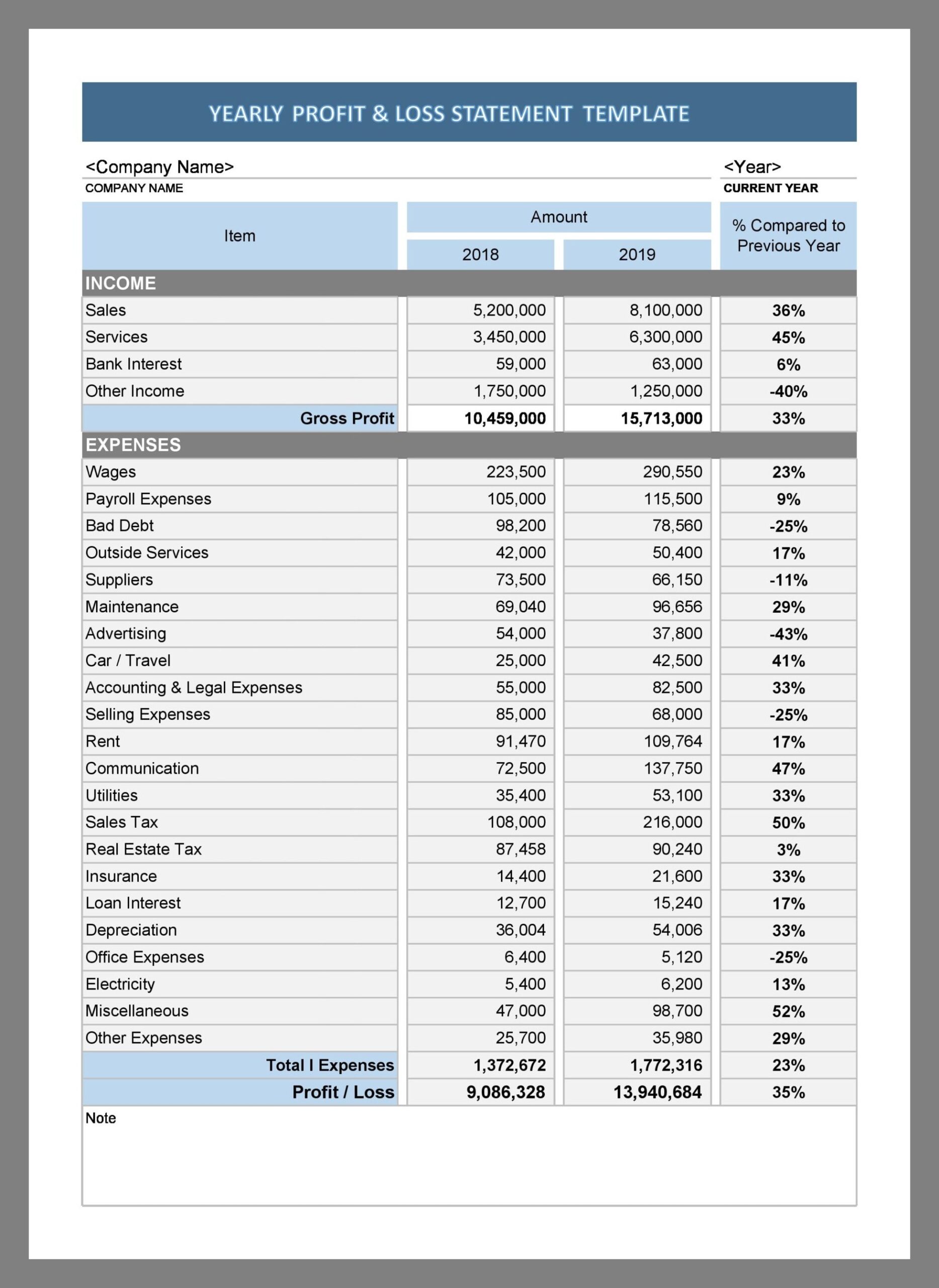
Understanding the financial health of a company is crucial for making informed decisions and planning for the future. One of the most important tools for assessing a company’s financial performance is the profit and loss report, also known as an income statement. This report summarizes a company’s revenues, costs, and expenses over a specific period, providing valuable insights into its profitability.
In this comprehensive guide, we will delve into the what, why, and how of profit and loss reports, as well as provide tips for successfully utilizing this essential financial document.
What is a Profit and Loss Report?
A profit and loss report is a financial statement that shows a company’s revenues, costs, and expenses over a specific period, typically a month, quarter, or year. The purpose of this report is to summarize the financial performance of the company and provide insights into its profitability. By analyzing the information presented in a profit and loss report, businesses and stakeholders can assess the company’s financial health, make informed decisions about pricing, costs, and growth, and use it as a basis for budgeting and forecasting.
Why are Profit and Loss Reports Important?
Profit and loss reports play a critical role in helping businesses understand their financial performance and make strategic decisions. Here are some key reasons why profit and loss reports are important:
- Financial Health: Profit and loss reports provide a snapshot of a company’s financial health, showing whether the business is generating profits or incurring losses.
- Informed Decision-Making: By analyzing the data in a profit and loss report, businesses can make informed decisions about pricing strategies, cost-cutting measures, and investment opportunities.
- Budgeting and Forecasting: Profit and loss reports serve as a valuable tool for budgeting and forecasting, helping businesses set realistic financial goals and track their progress over time.
- Evaluating Performance: External parties, such as lenders and investors, use profit and loss reports to evaluate a company’s ability to generate income, repay debts, and assess its overall financial stability.
What to Include in a Profit and Loss Report
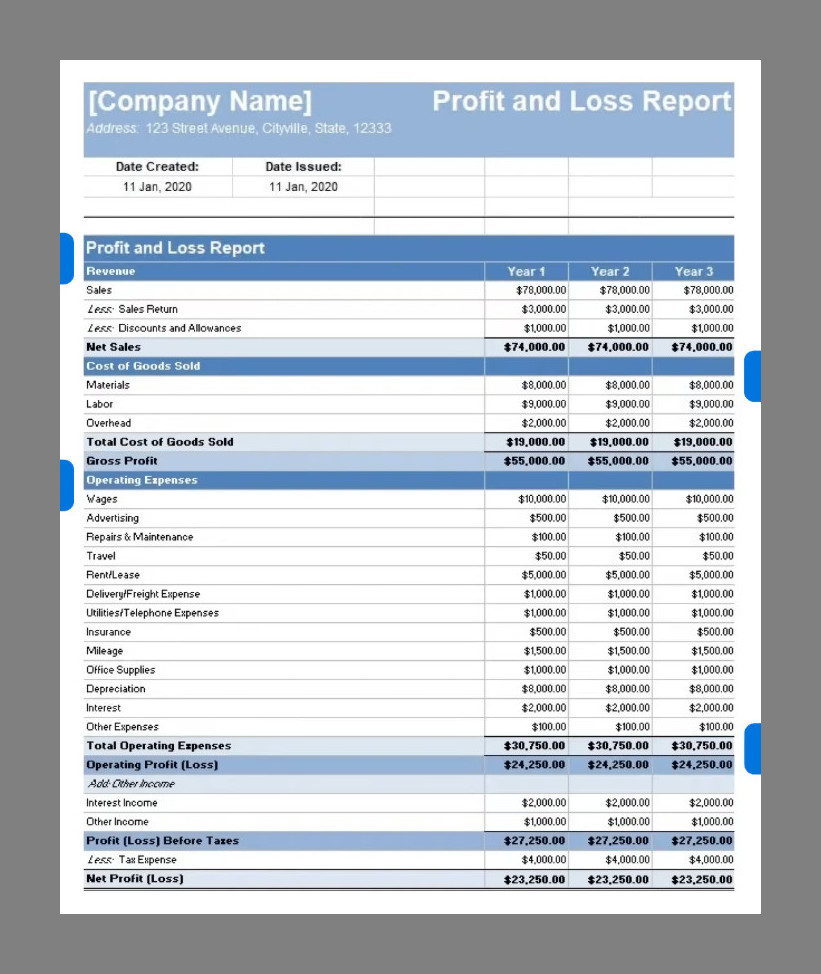
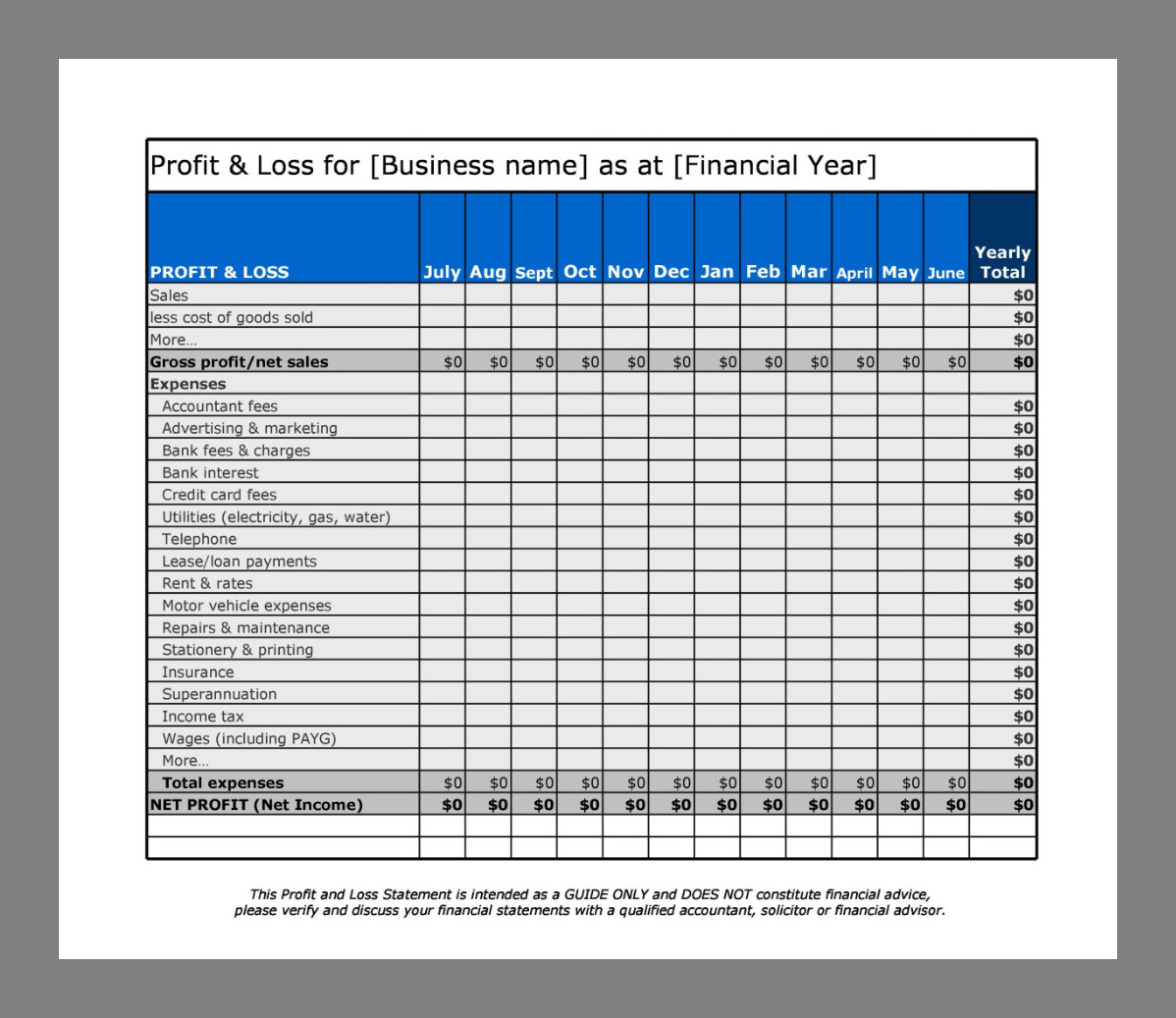
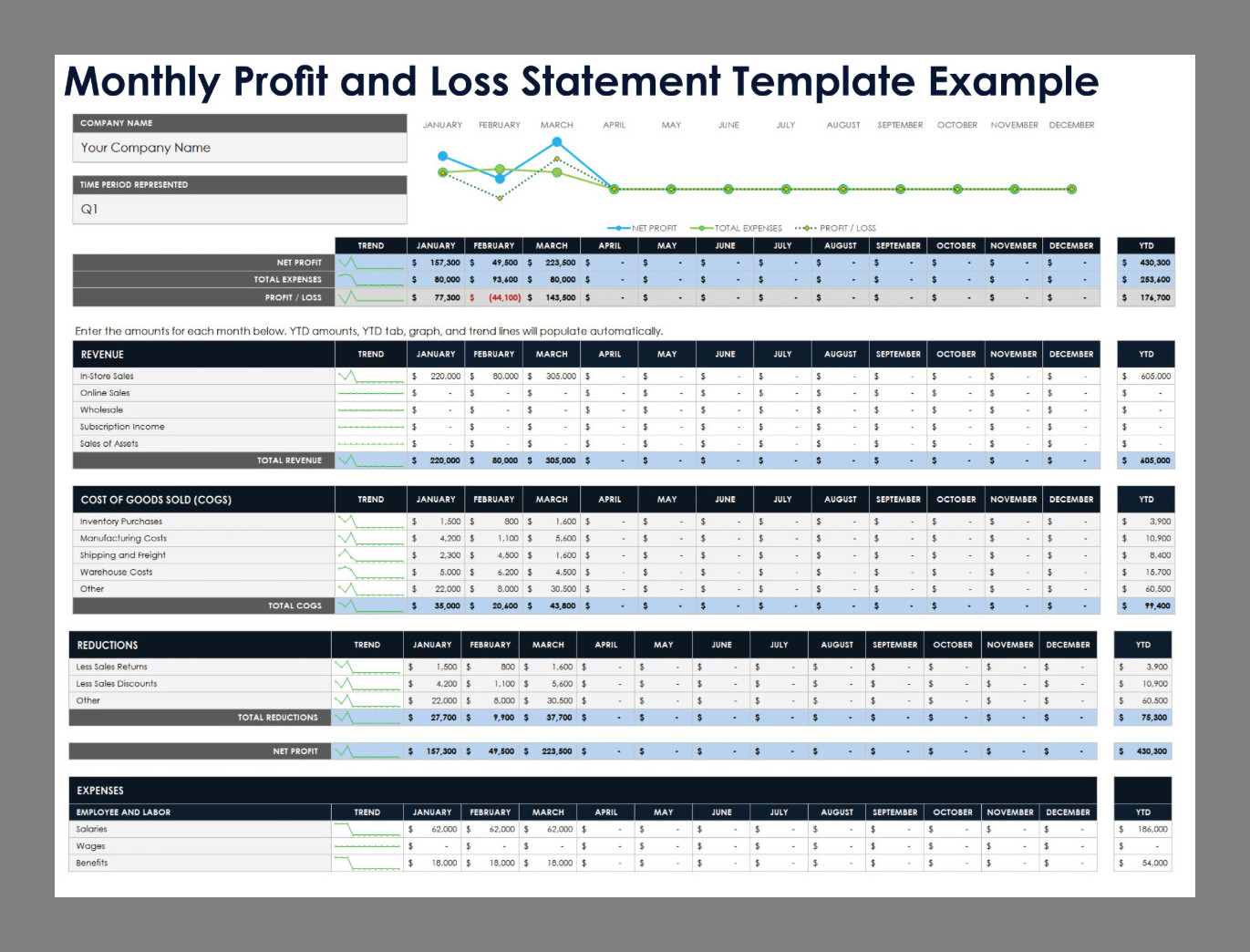
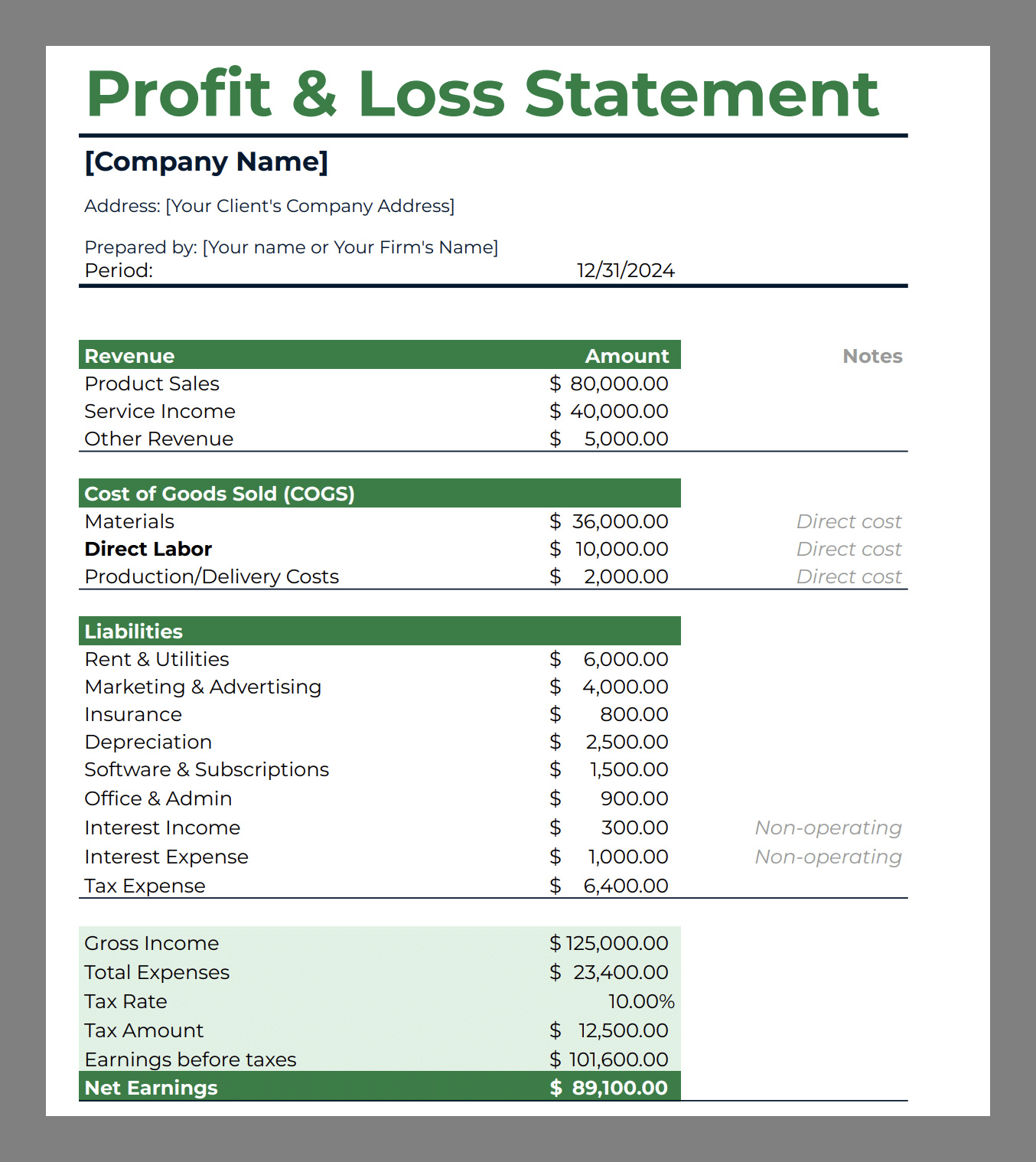
A typical profit and loss report consists of several key components that provide a comprehensive overview of a company’s financial performance. Here are the essential elements to include in a profit and loss report:
- Revenue: The total amount of money generated from sales of goods or services.
- Cost of Goods Sold (COGS): The direct costs associated with producing goods or services.
- Gross Profit: The difference between revenue and COGS, representing the company’s profitability before operating expenses.
- Operating Expenses: The costs incurred to run the business, such as rent, utilities, salaries, and marketing expenses.
- Net Income: The final figure after deducting operating expenses from gross profit, indicating the company’s overall profitability.
Examples
How to Analyze a Profit and Loss Report
Analyzing a profit and loss report involves more than just looking at the bottom line. Here are some tips for successfully interpreting and analyzing a profit and loss report:
1. Compare Periods:
Compare current profit and loss reports with previous periods to identify trends and fluctuations in revenue, costs, and expenses. This analysis can help you understand how your business is performing over time and make adjustments as needed.
2. Calculate Ratios:
Calculate key financial ratios, such as gross profit margin and net profit margin, to assess the company’s profitability and efficiency. These ratios can provide valuable insights into the financial health of the business and help identify areas for improvement.
3. Identify Cost Drivers:
Identify the main cost drivers in your profit and loss report to understand where your money is being spent. This analysis can help you optimize costs, improve efficiency, and increase profitability in the long run.
4. Monitor Cash Flow:
Monitor cash flow trends in your profit and loss report to ensure that your business has enough liquidity to cover expenses and invest in growth opportunities. Cash flow is a critical indicator of a company’s financial health and sustainability.
5. Seek Professional Advice:
If you’re unsure how to interpret your profit and loss report or need help making strategic financial decisions, consider seeking advice from a financial advisor or accounting professional. They can provide valuable insights and guidance based on their expertise and experience.
Tips for Successful Profit and Loss Reporting
Successfully utilizing profit and loss reports requires attention to detail and a strategic approach. Here are some tips to help you make the most of this essential financial document:
- Regularly Review: Review your profit and loss reports regularly to stay informed about your business’s financial performance and make timely adjustments.
- Set Realistic Goals: Use profit and loss reports to set realistic financial goals for your business and track your progress towards achieving them.
- Use Comparative Analysis: Compare your profit and loss reports with industry benchmarks and competitors to identify areas where you can improve and stay competitive.
- Seek Feedback: Share your profit and loss reports with key stakeholders, such as investors and lenders, to get feedback and insights that can help you make better financial decisions.
- Invest in Training: Invest in training for yourself and your team to improve financial literacy and better understand how to use profit and loss reports to drive business success.
By following these tips and guidelines, you can harness the power of profit and loss reports to gain valuable insights into your company’s financial performance, make informed decisions, and drive sustainable growth and profitability.
